"Poetics of Water - Cultural Symbolism and Aesthetic Exploration
in Tomohide Ikeya's Work"
in Tomohide Ikeya's Work"
Engaging with the work of Japanese artist Tomohide Ikeya is an experience that draws one to its distinct beauty and profound themes.
Fascinated by natural phenomena, especially water, from a young age, Ikeya did not receive traditional artistic training.
His passion for art began with an interest in manga, anime, and Japanese cinema, which helped him cultivate his unique perspective.
Fascinated by natural phenomena, especially water, from a young age, Ikeya did not receive traditional artistic training.
His passion for art began with an interest in manga, anime, and Japanese cinema, which helped him cultivate his unique perspective.
Ikeya focuses on the relationship between water and humans, providing a contemporary perspective while sharing a deep cultural background
with other great Japanese photographers. His series, such as "WAVE," "MOON," and "BREATH," explore the interaction between water and humans,
addressing themes of "control" and "loss" within this context.
with other great Japanese photographers. His series, such as "WAVE," "MOON," and "BREATH," explore the interaction between water and humans,
addressing themes of "control" and "loss" within this context.
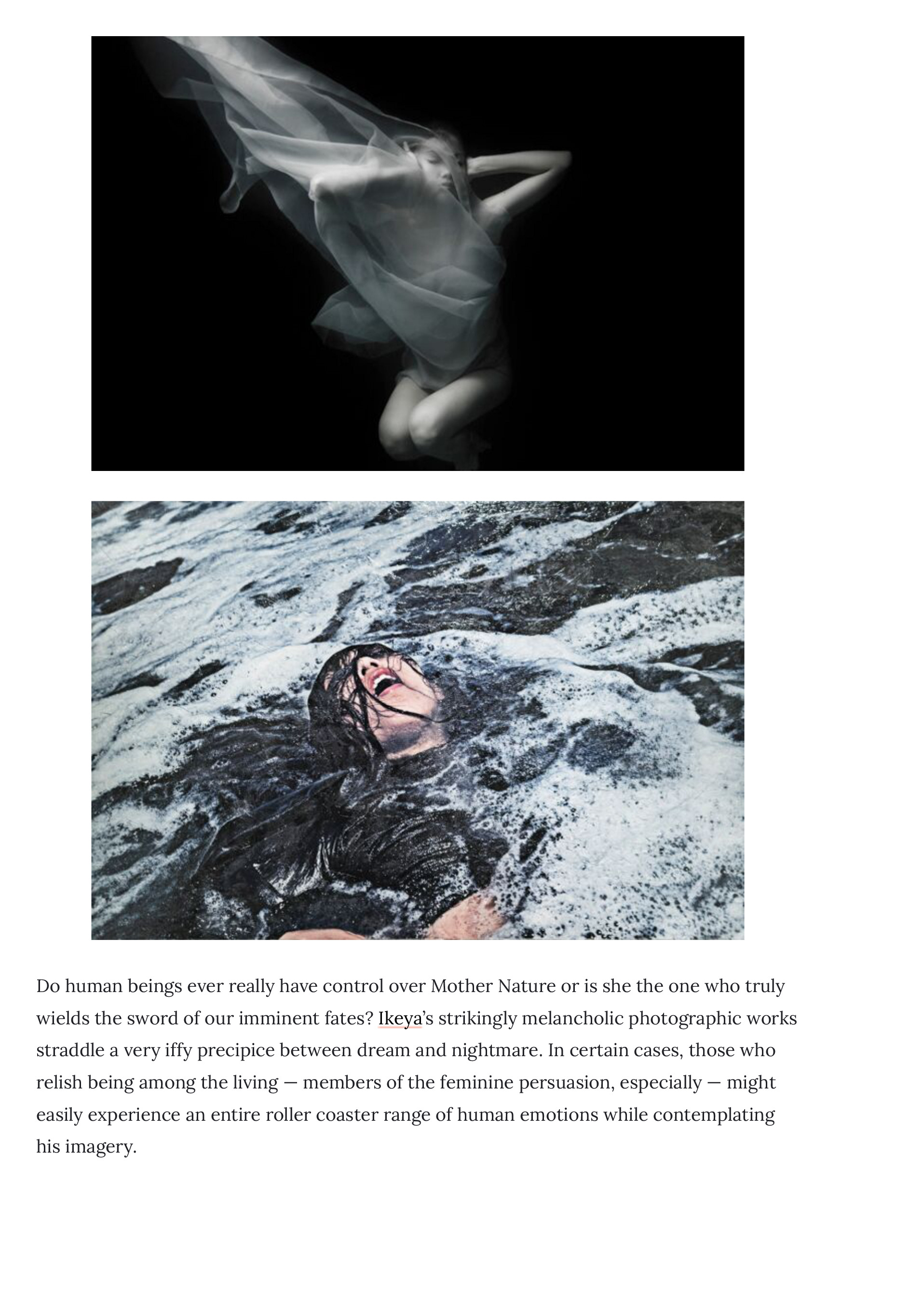
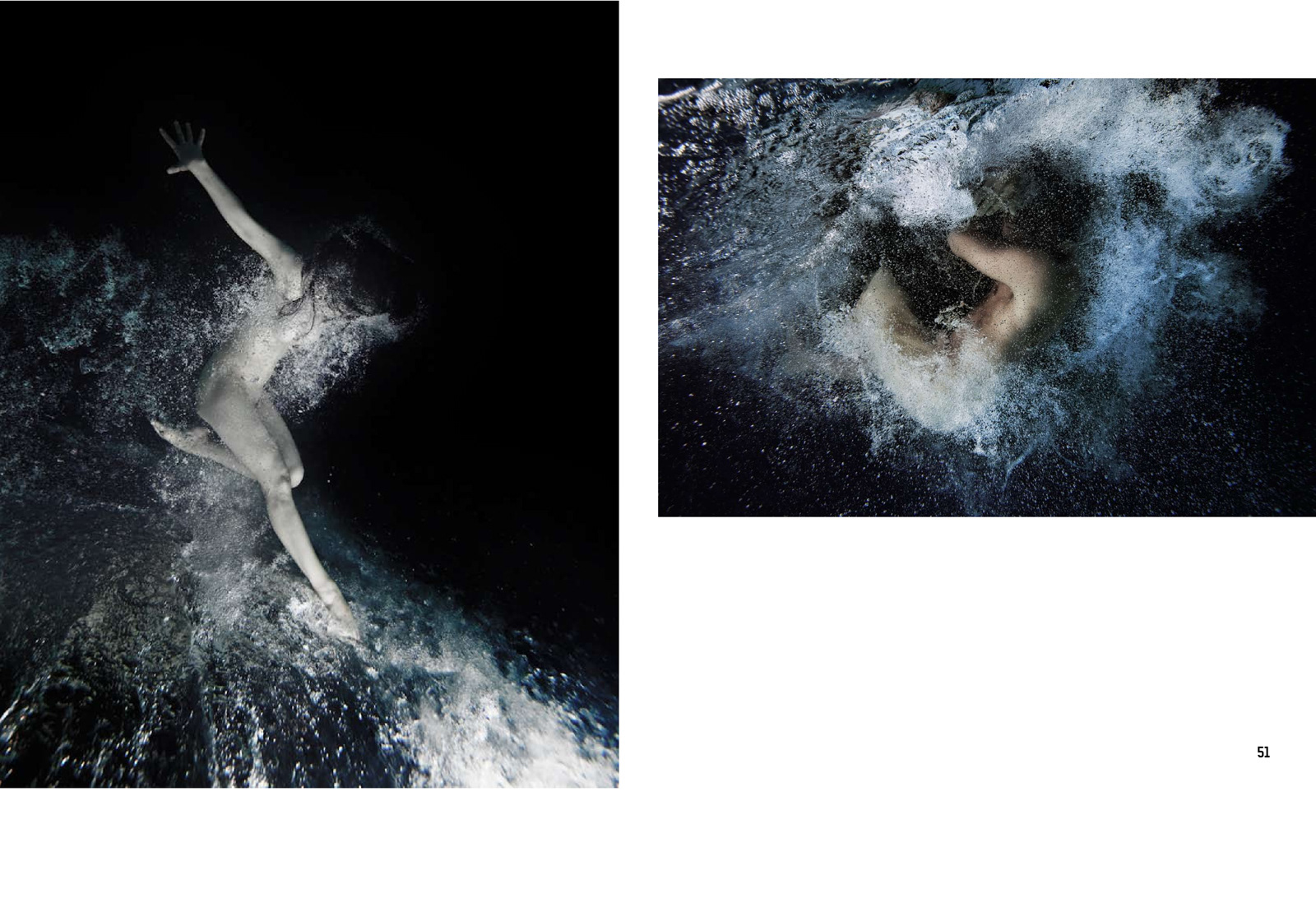
For example, "WAVE" depicts the struggle of humans as they exist as part of nature yet strive to resist it.
This series can also be interpreted as a metaphor for overcoming daily life challenges.
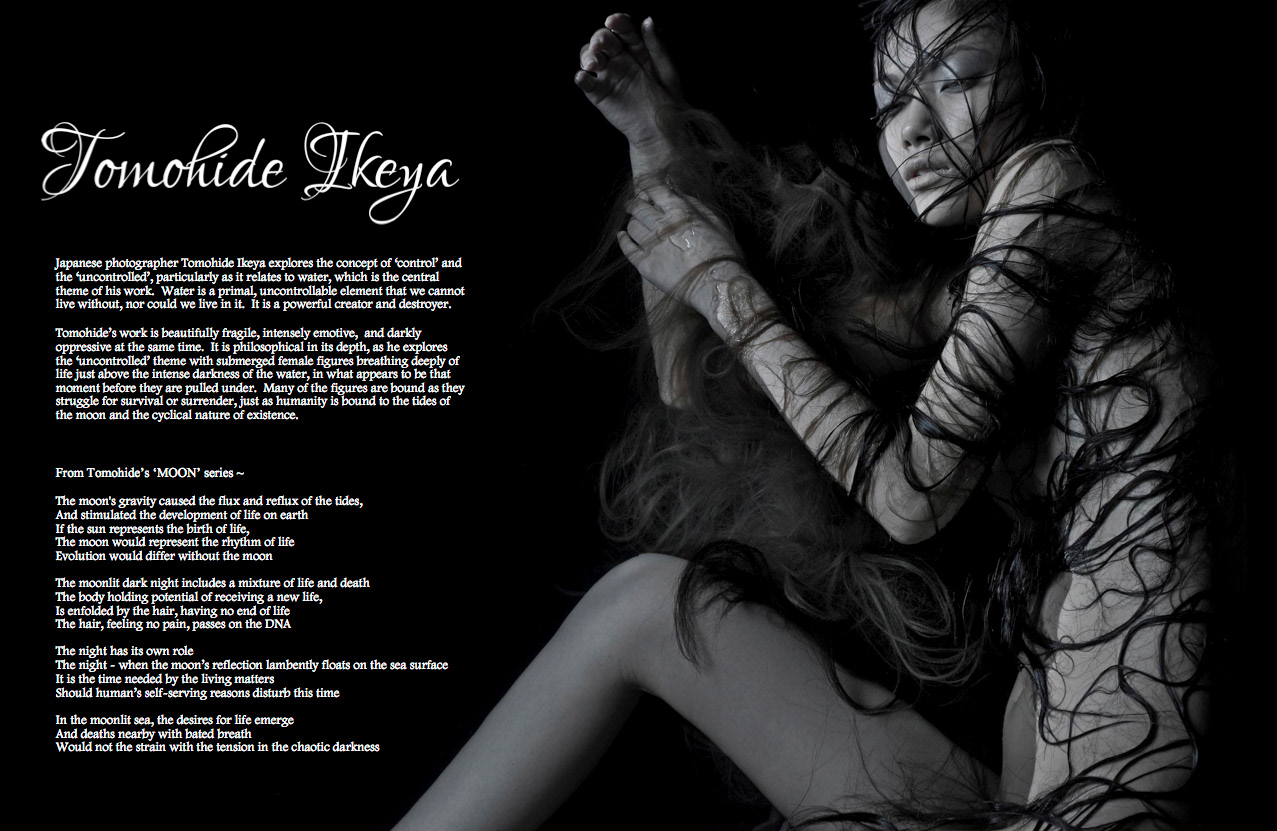
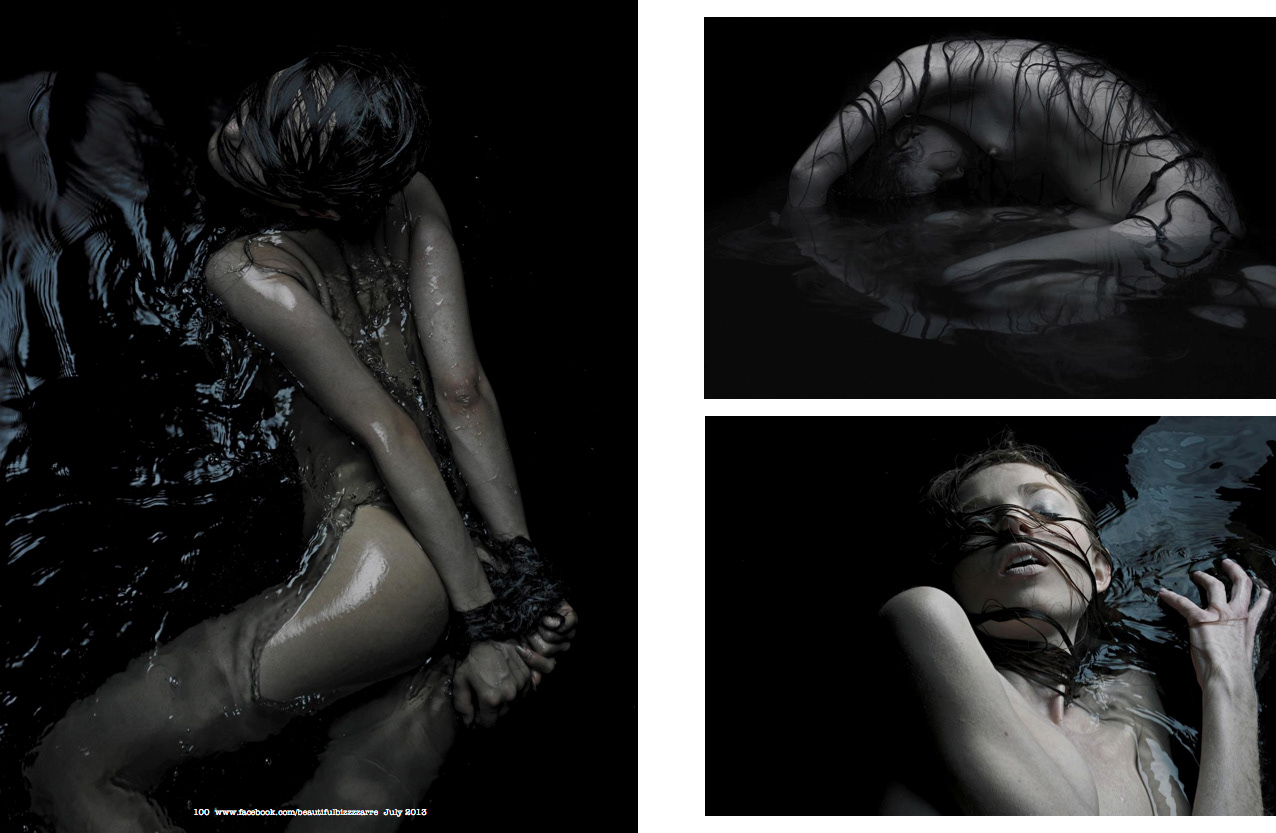
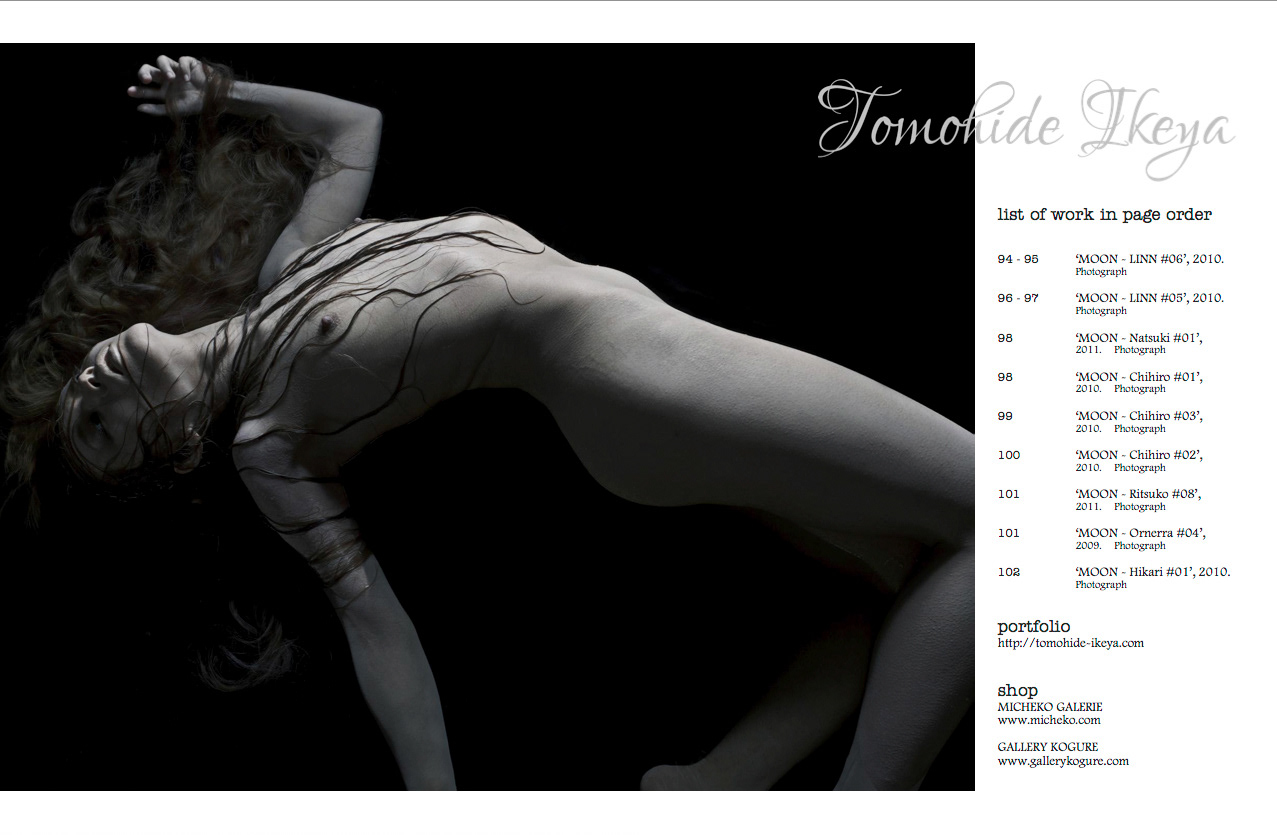
On the other hand, the "MOON" series addresses the themes of life and death, with water appearing as part of the creative and poetic process.
By incorporating elements like hair, Ikeya skillfully represents the continuity of life and the symbolic significance in Japanese culture.
This series can also be interpreted as a metaphor for overcoming daily life challenges.
On the other hand, the "MOON" series addresses the themes of life and death, with water appearing as part of the creative and poetic process.
By incorporating elements like hair, Ikeya skillfully represents the continuity of life and the symbolic significance in Japanese culture.
Ikeya's work is said to be strongly influenced by Shinto, where ropes serve a symbolic role in delineating the sacred.
The influence of Nobuyoshi Araki is also visible, deepening the themes of life and death through their dialogue.
However, Ikeya’s works consistently pursue elegance and fragility, never losing their pursuit of beautiful composition and form.
The influence of Nobuyoshi Araki is also visible, deepening the themes of life and death through their dialogue.
However, Ikeya’s works consistently pursue elegance and fragility, never losing their pursuit of beautiful composition and form.
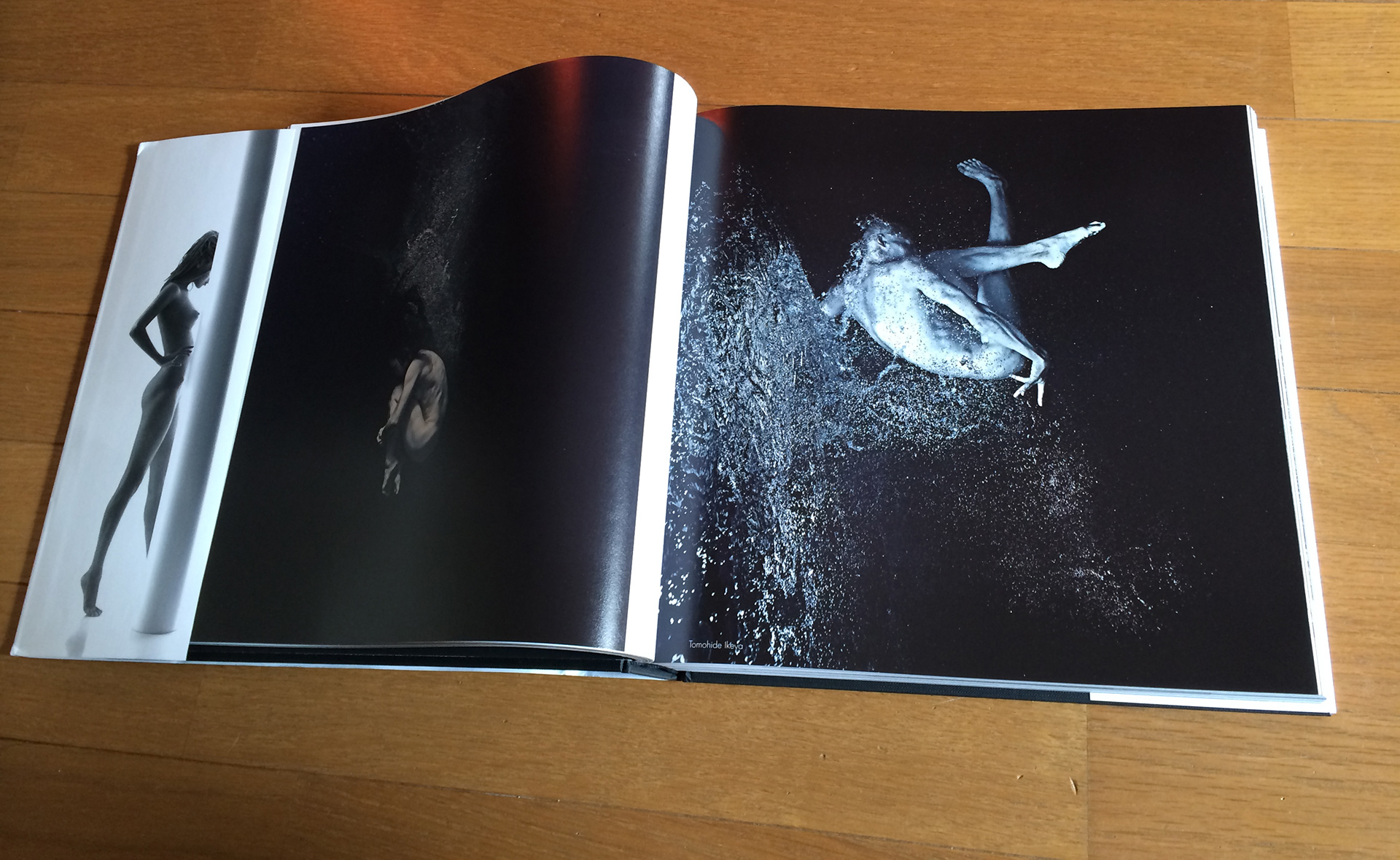
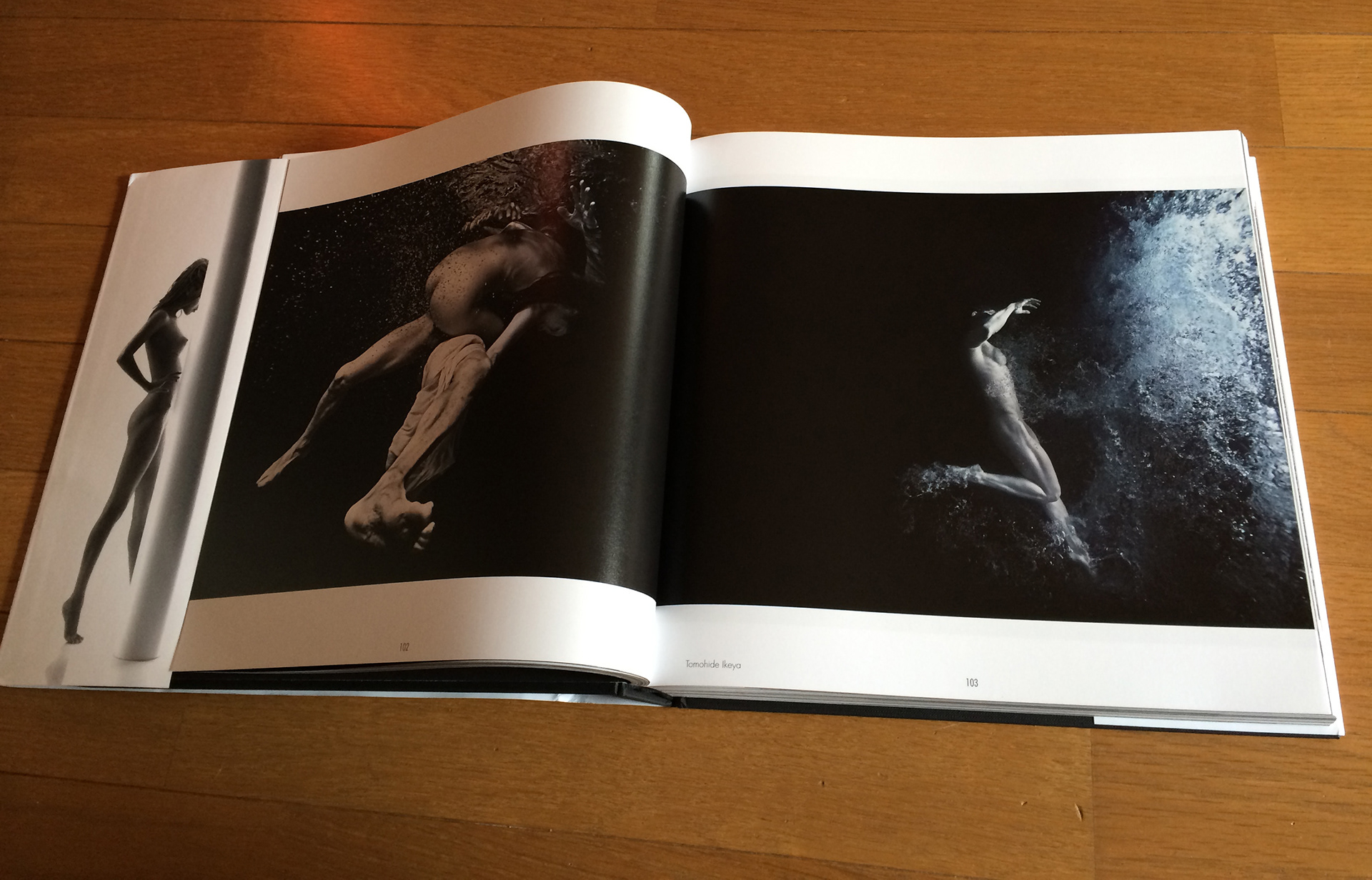
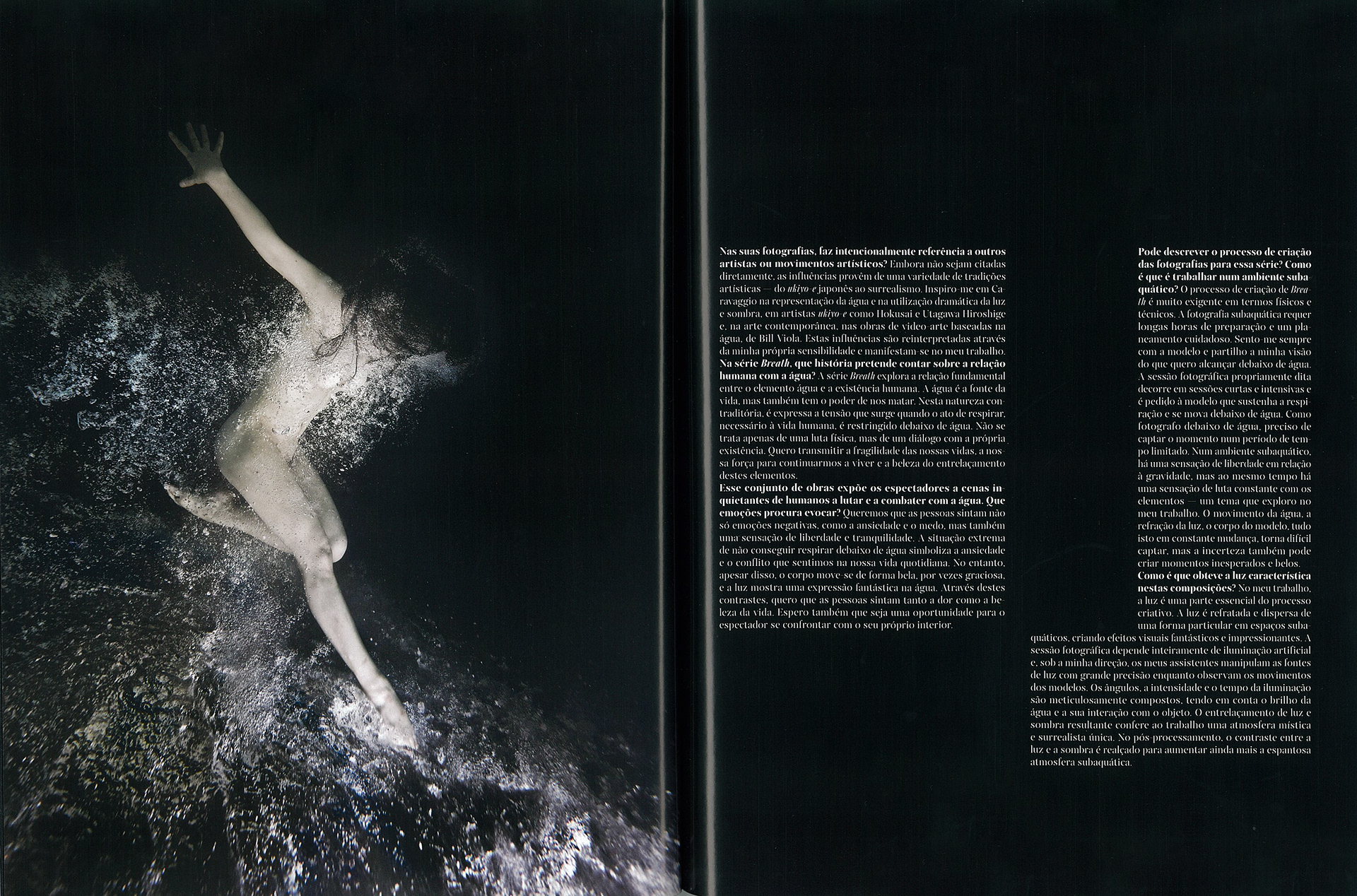
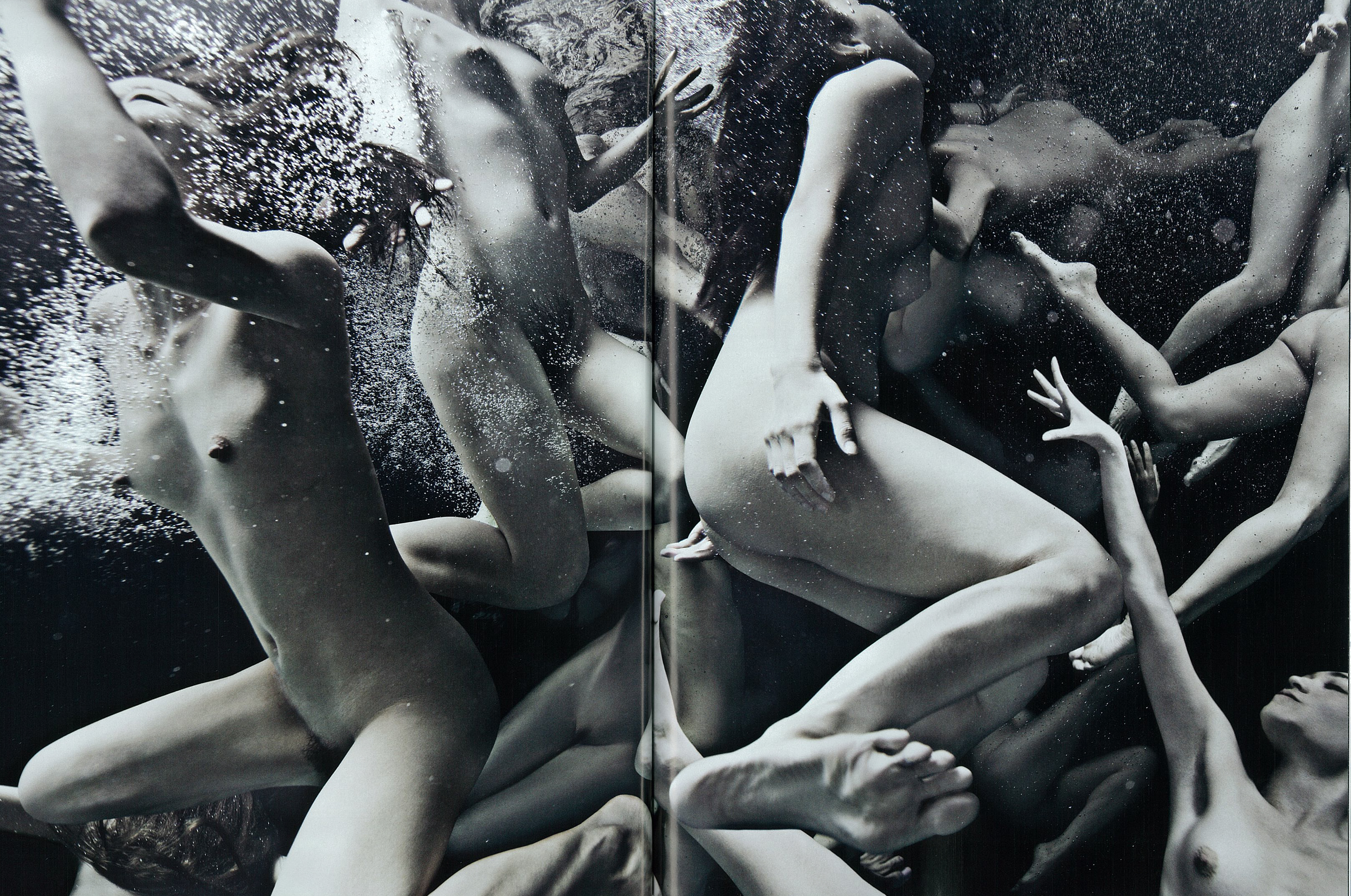
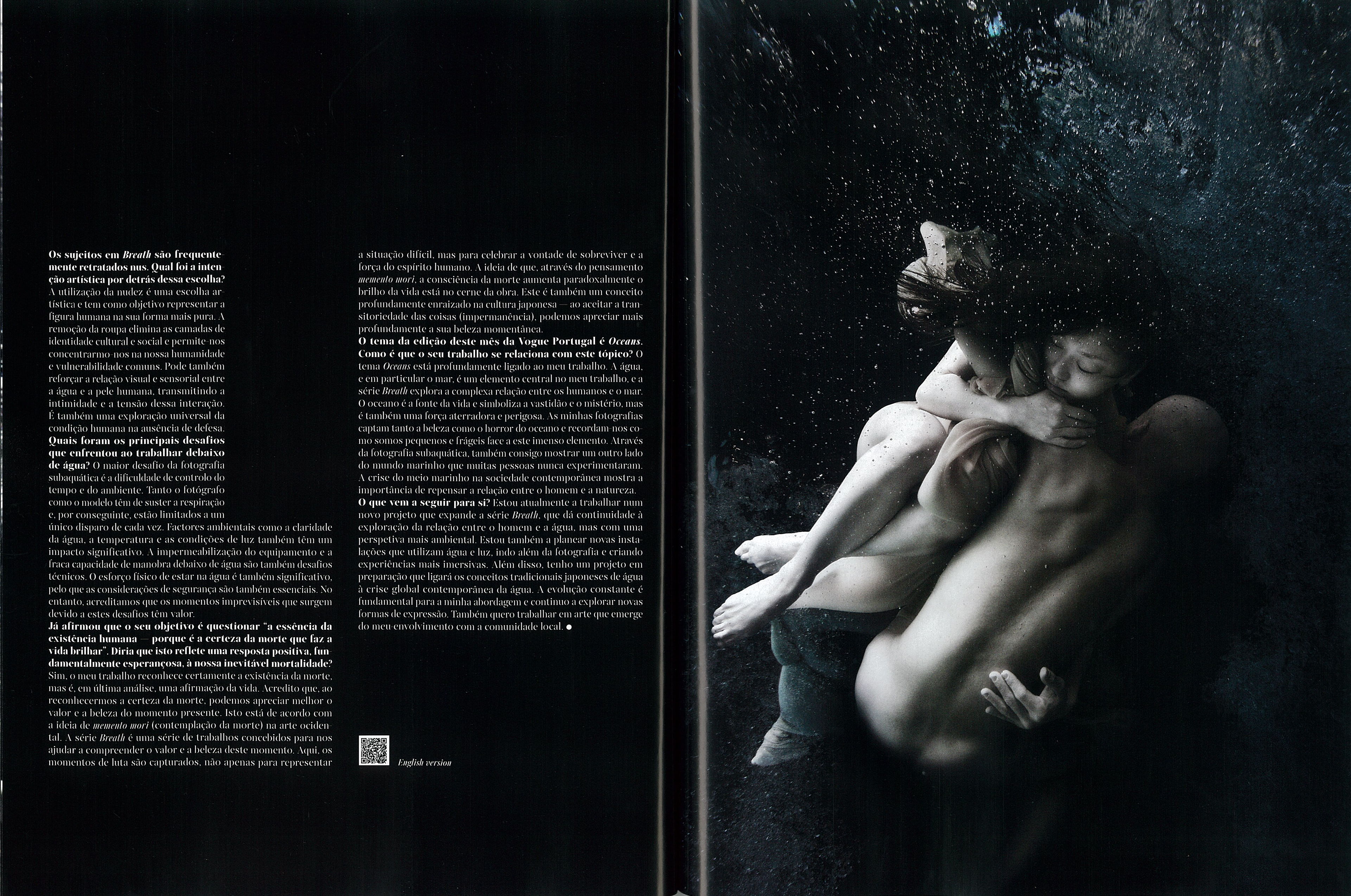
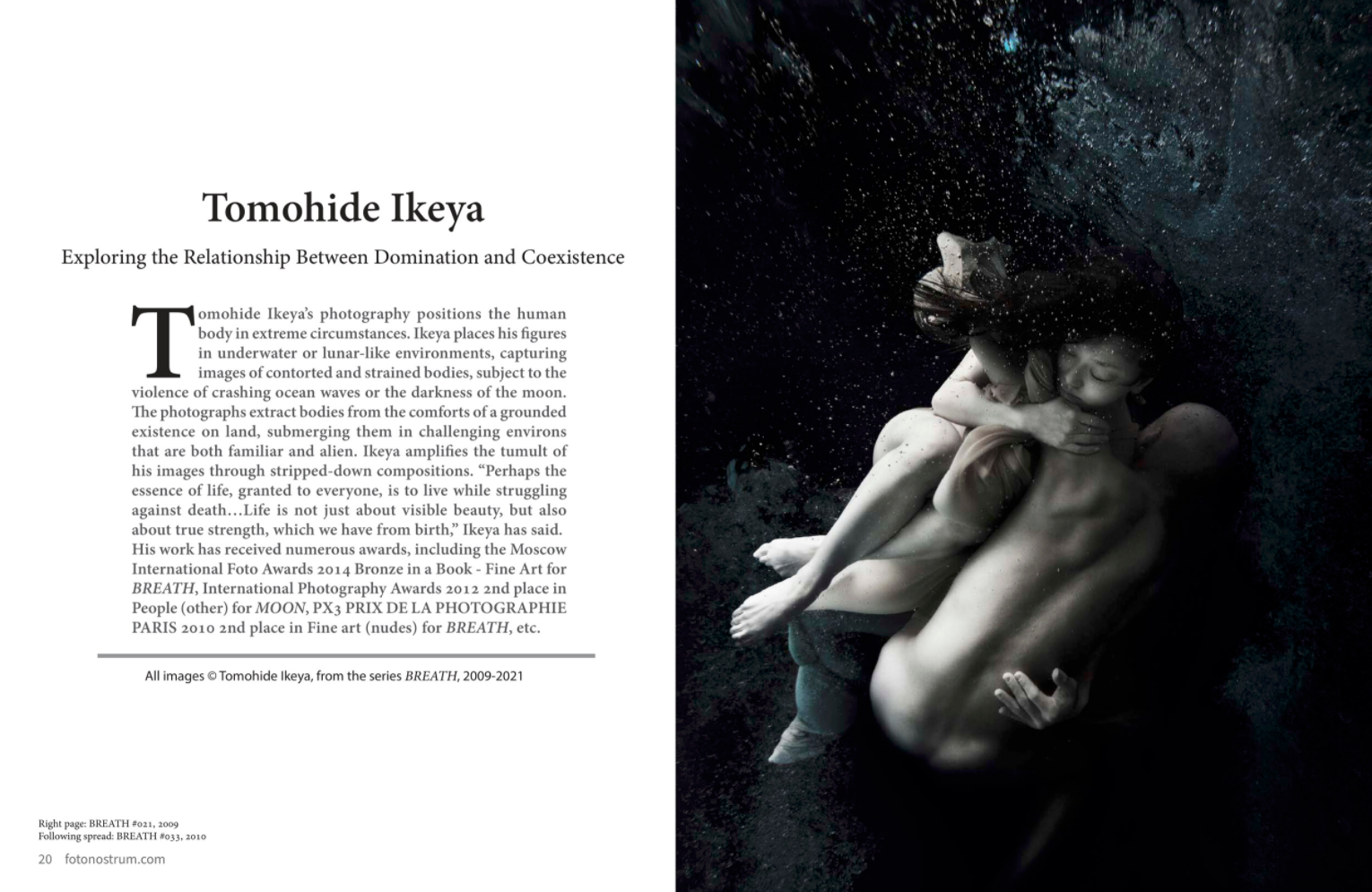
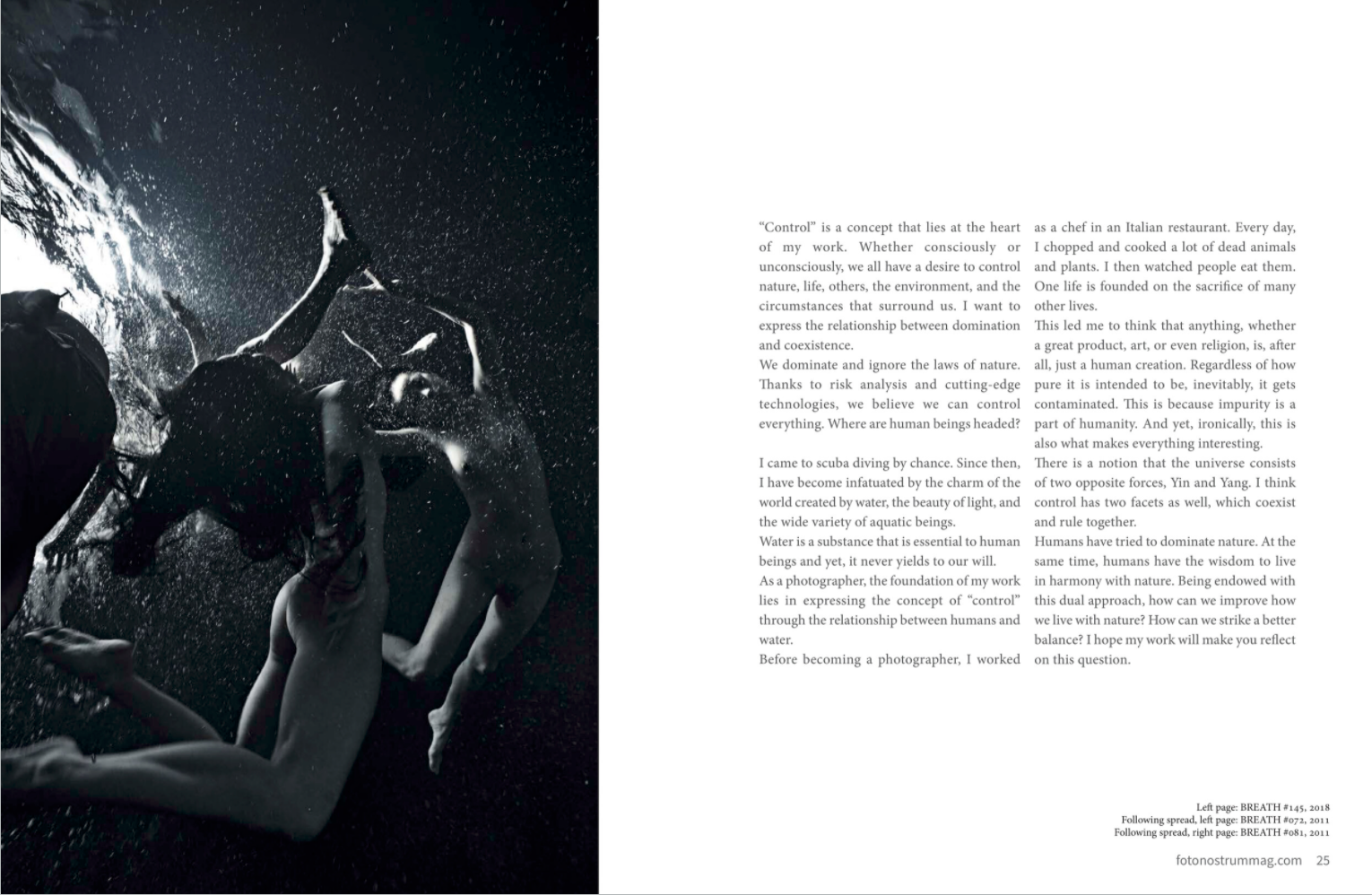
In the "BREATH" series, Ikeya tackles the theme of underwater breathing, capturing the extreme expressions of models confronting their deepest fears.
His works, where sensuality and beauty coexist with fear, offer a powerful visual and emotional impact.
His works, where sensuality and beauty coexist with fear, offer a powerful visual and emotional impact.
Tomohide Ikeya's work stands out with its uniqueness and remarkable quality. Through this critique, one can immerse in his grand and unsettling creations,
reaffirming his significance in the Japanese art scene. The themes and aesthetics he explores continue to profoundly move his audience.
reaffirming his significance in the Japanese art scene. The themes and aesthetics he explores continue to profoundly move his audience.
Art curator and lecturer at the University of Zaragoza (Art History Department)
Alejandra Rodríguez Cunchillos
" Take a Deep Breath"
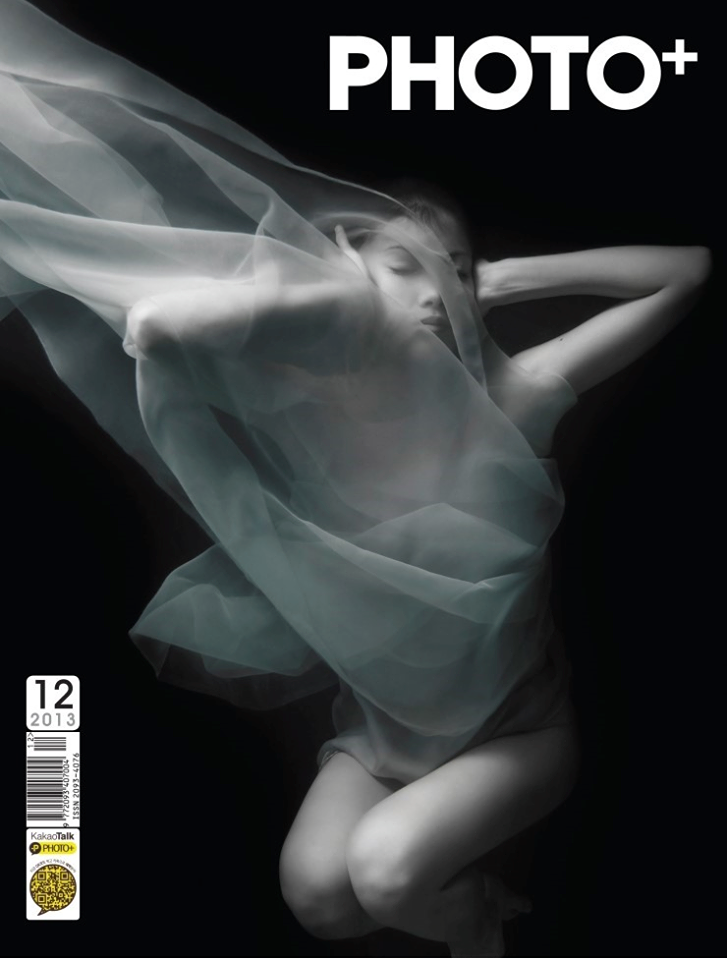
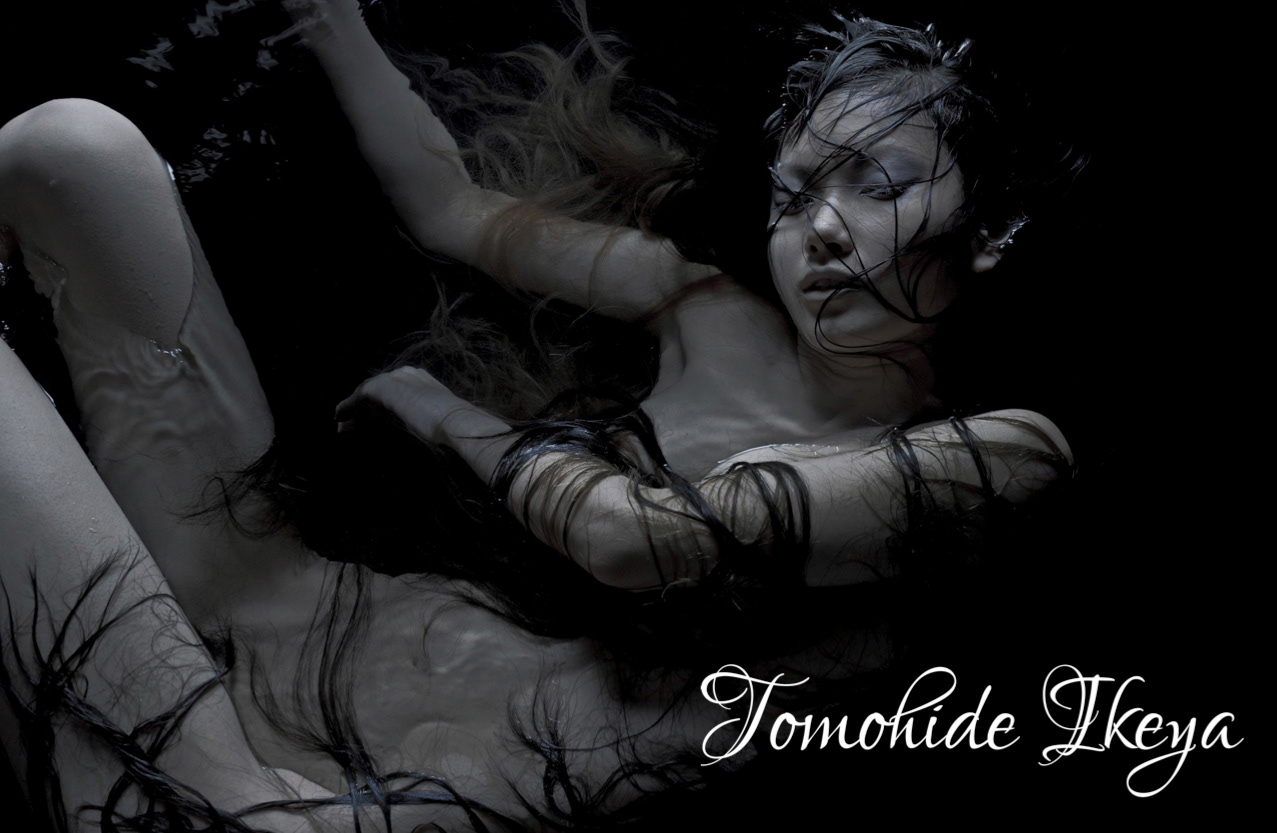
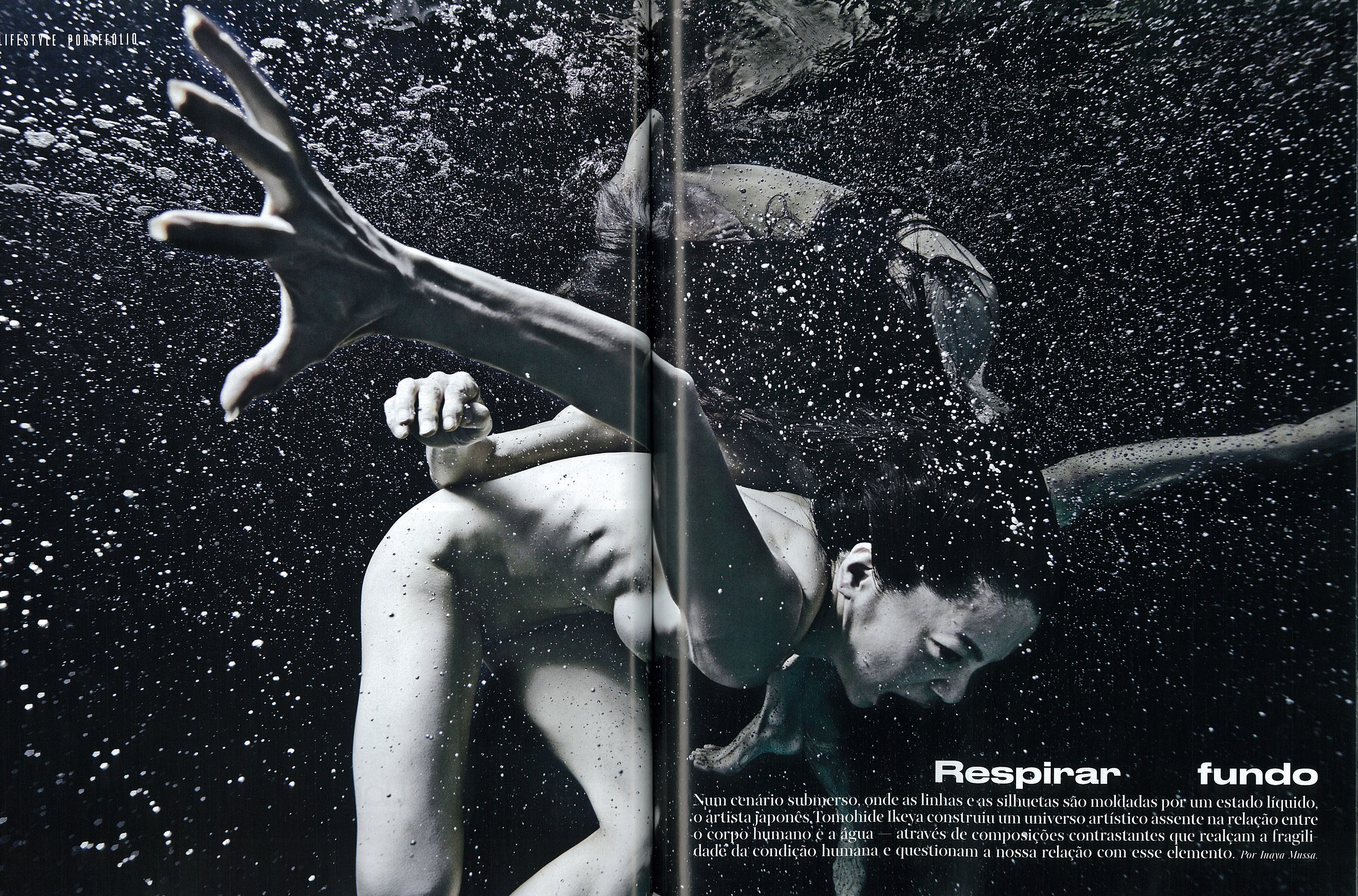
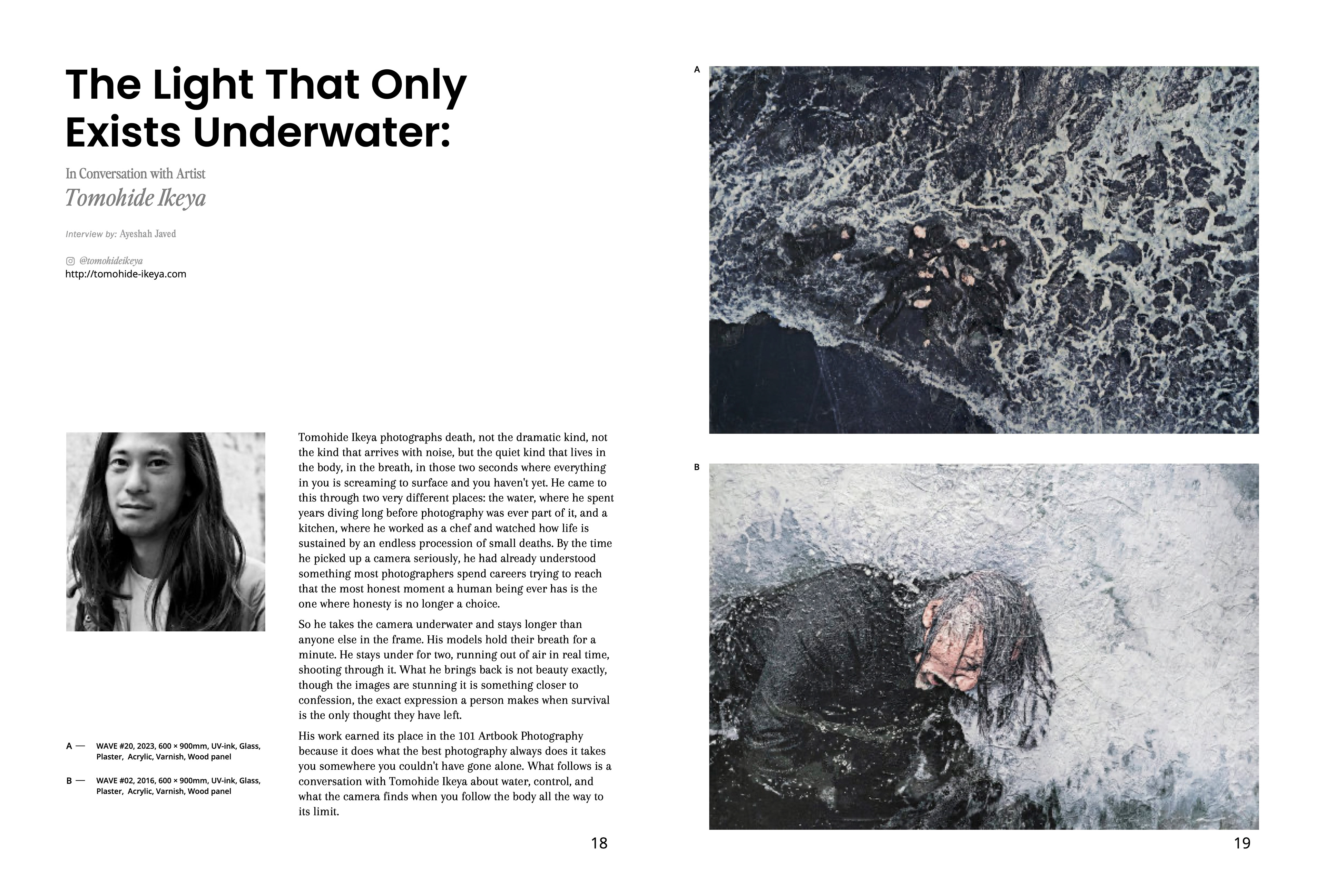
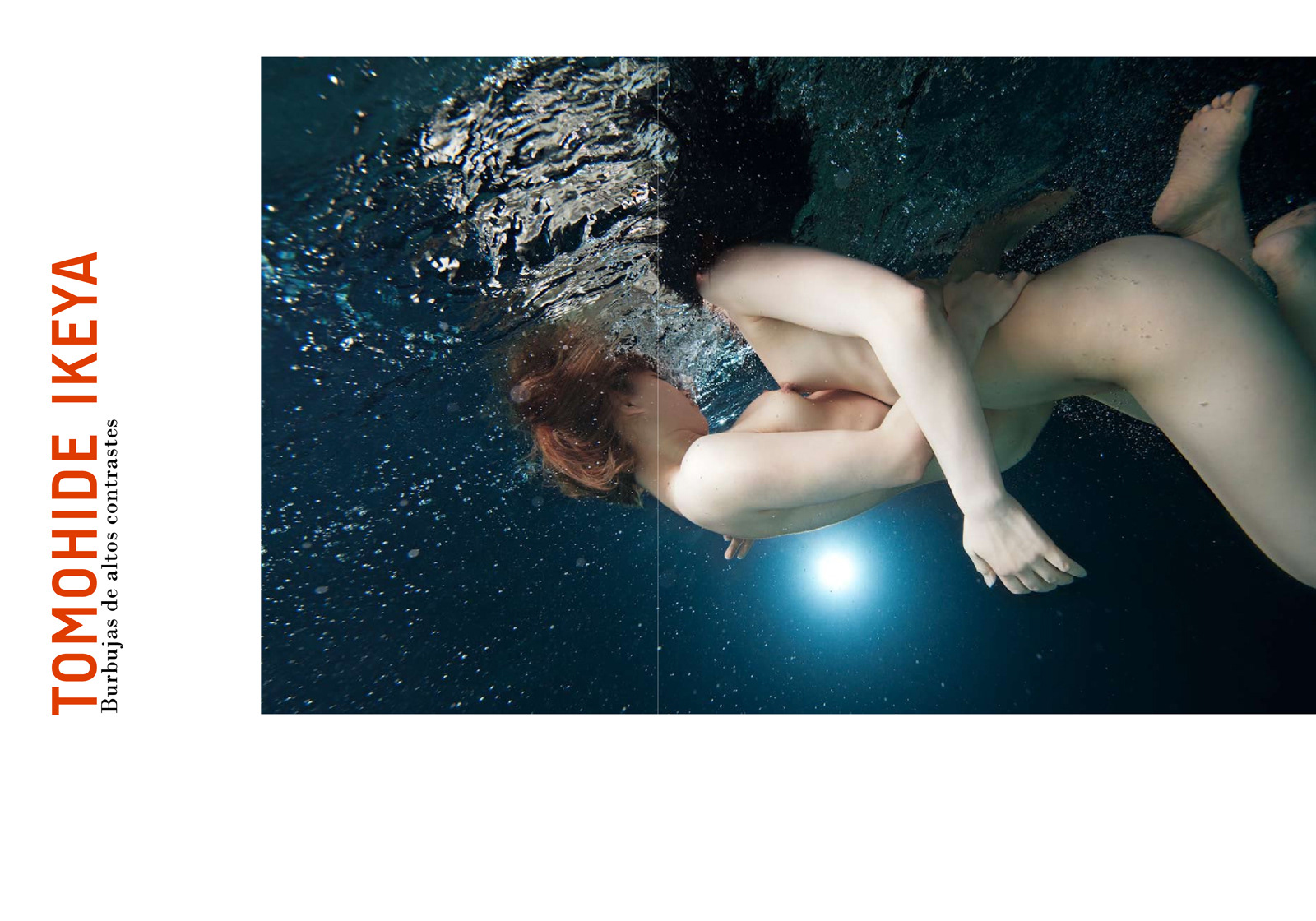
In a submerged environment, where lines and silhouettes are moulded by a liquid state, Japanese artist Tomohide Ikeya has built an artistic universe based on the relationship between the human body and water - through contrasting compositions that highlight the fragility of the human condition and question our relationship with this element.
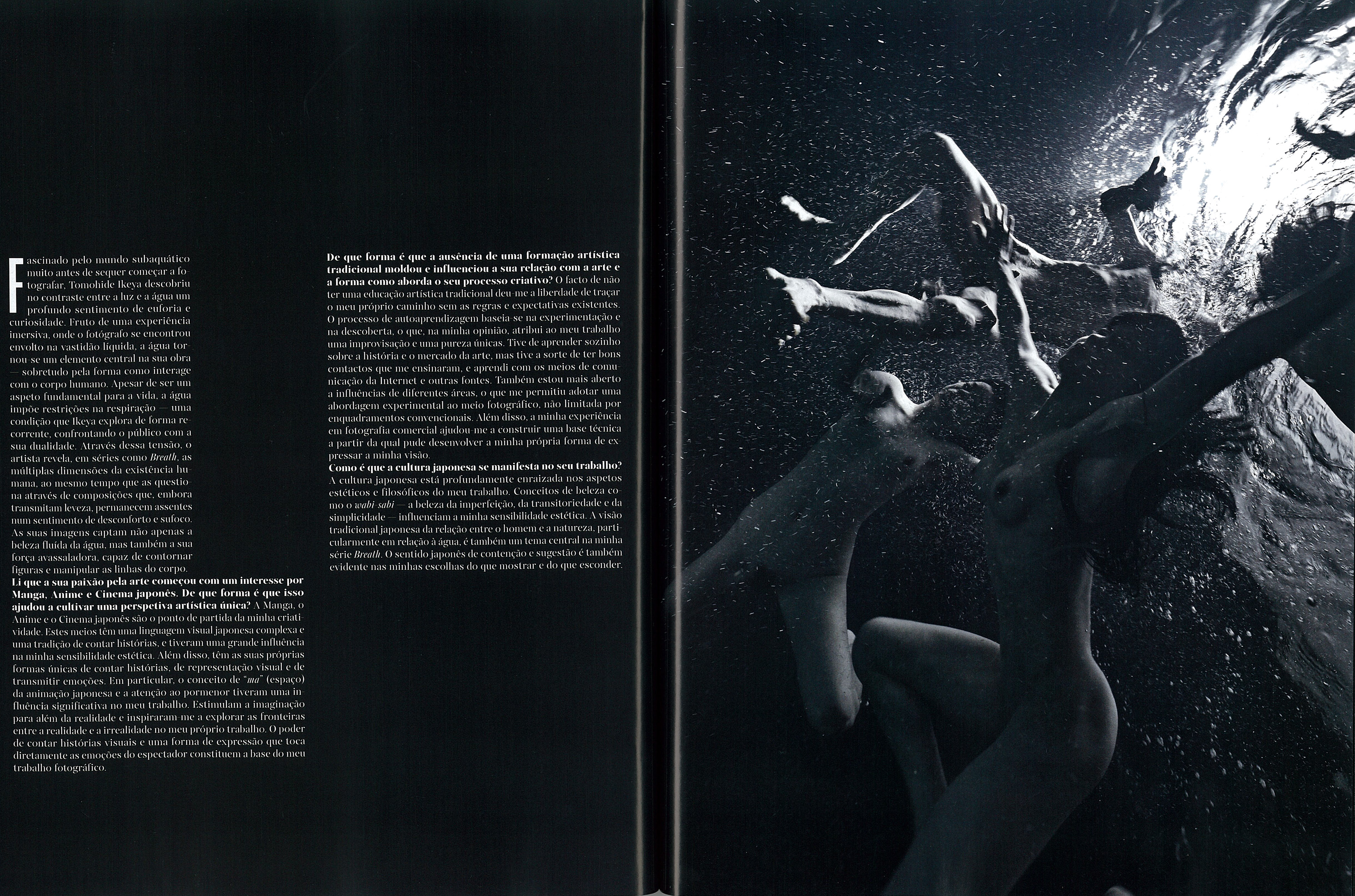
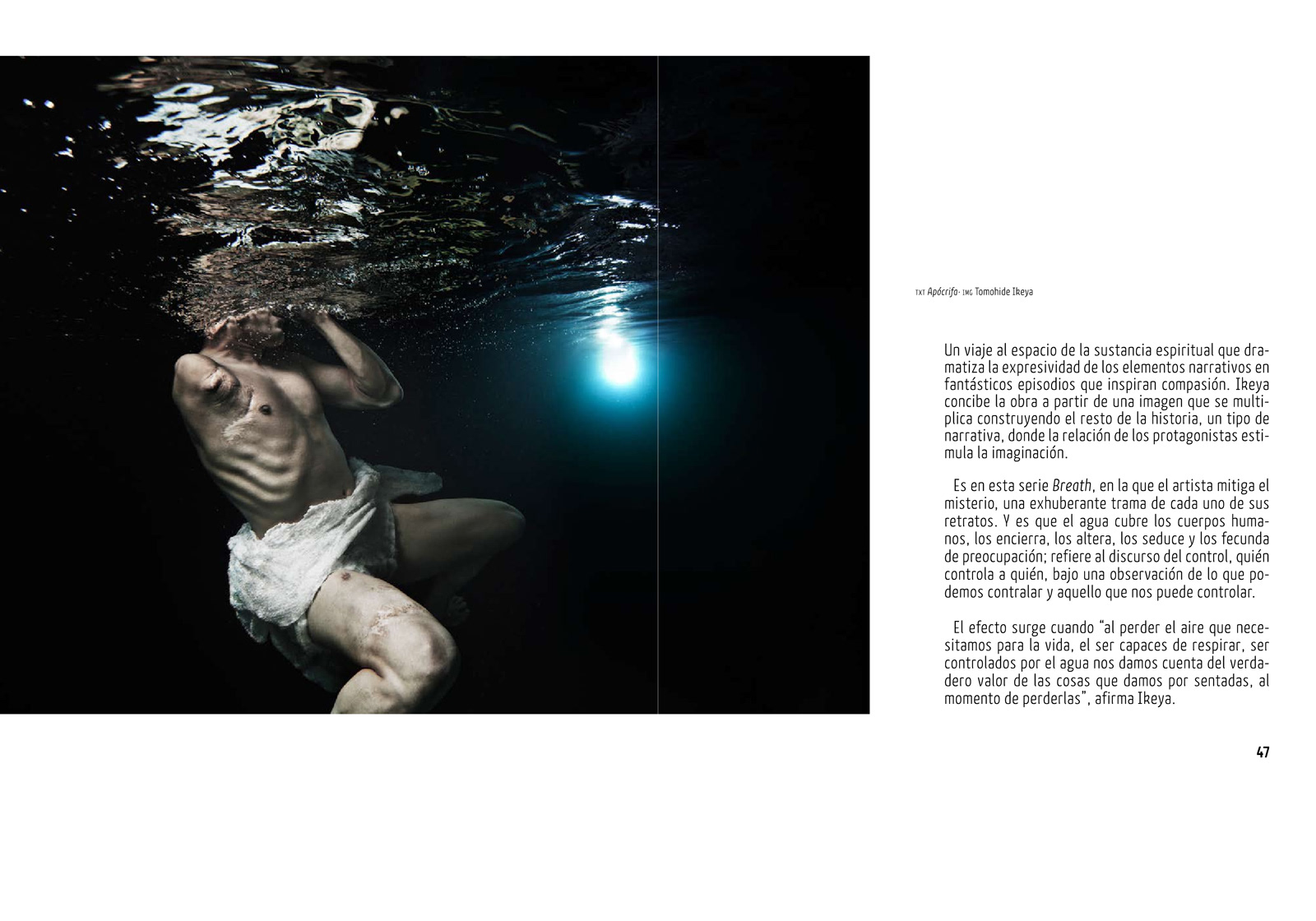
Fascinated by the underwater world long before he ever started photographing, Tomohide Ikeya discovered a deep sense of euphoria and curiosity in the contrast between light and water. The result of an immersive experience, where the photographer found himself enveloped in liquid vastness, water became a central element in his work - above all because of the way it interacts with the human body. Despite being a fundamental aspect of life, water imposes restrictions on breathing - a condition that Ikeya explores repeatedly, confronting the public with its duality. Through this tension, the artist reveals, in series such as Breath, the multiple dimensions of human existence, at the same time as questioning them through compositions that, although they convey lightness, remain grounded in a feeling of discomfort and suffocation. His images capture not only the fluid beauty of water, but also its overwhelming force, capable of contouring figures and manipulating the lines of the body.
Fascinated by the underwater world long before he ever started photographing, Tomohide Ikeya discovered a deep sense of euphoria and curiosity in the contrast between light and water. The result of an immersive experience, where the photographer found himself enveloped in liquid vastness, water became a central element in his work - above all because of the way it interacts with the human body. Despite being a fundamental aspect of life, water imposes restrictions on breathing - a condition that Ikeya explores repeatedly, confronting the public with its duality. Through this tension, the artist reveals, in series such as Breath, the multiple dimensions of human existence, at the same time as questioning them through compositions that, although they convey lightness, remain grounded in a feeling of discomfort and suffocation. His images capture not only the fluid beauty of water, but also its overwhelming force, capable of contouring figures and manipulating the lines of the body.
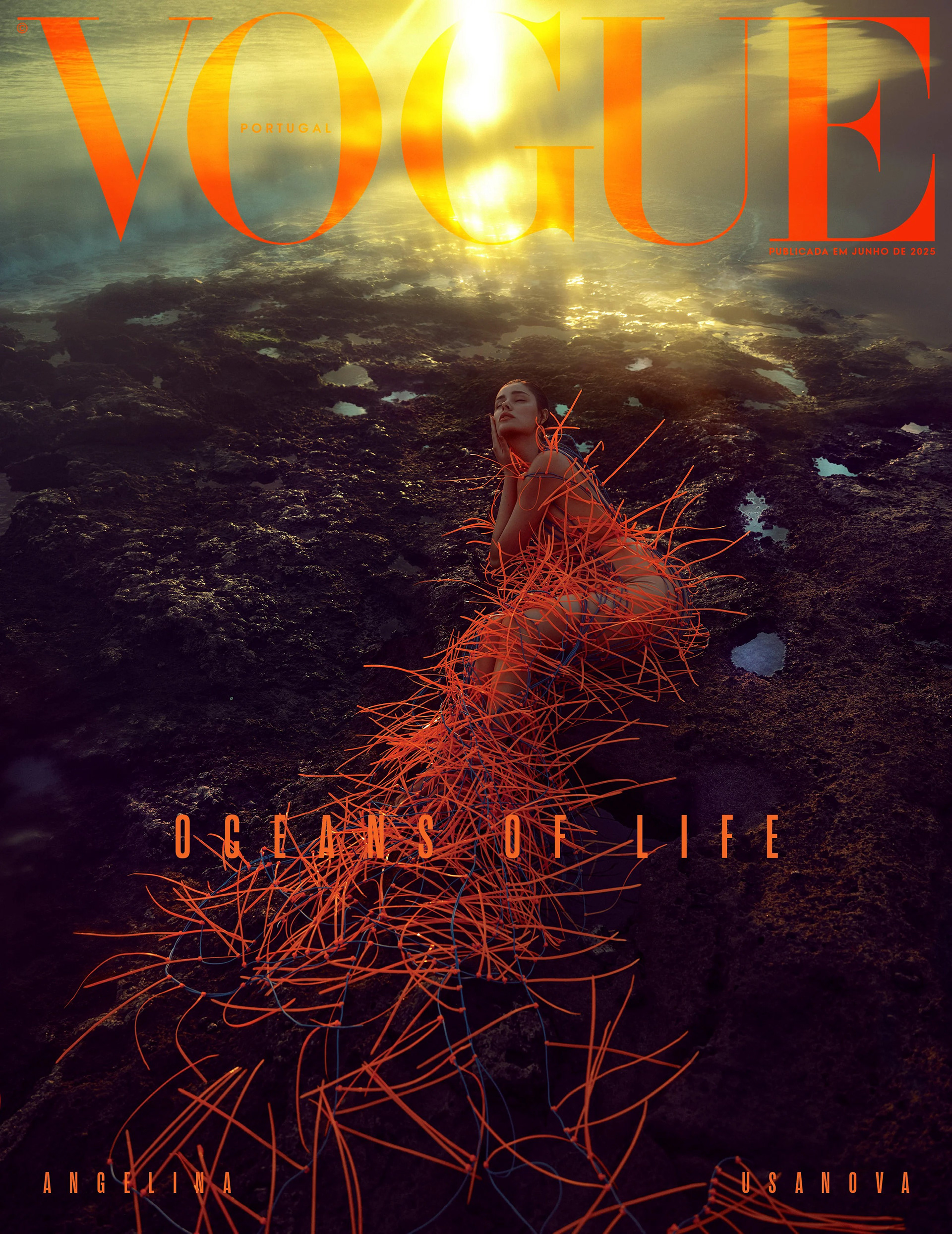
© Vogue Portugal "The Oceans of Life" Issue, June 2025
Inaya Mussa
"Life vs Death with the Gasp of One Breath"
"Let's dive right into Tomohide Ikeya's edgy and, at times, deeply disquieting marine microcosm. Do human beings ever really have control over Mother Nature or is she the one who truly wields the sword of our imminent fates? Ikeya's strikingly melancholic photographic works straddle a very iffy precipice between dream and nightmare."
"Such a delicate dance exists between life and death. The almighty yin and yang. To truly grasp Ikeya's artistic motivation, it's helpful to remember that life on planet earth requires water. Just as essential to the existence of all living creatures great and small. The simple act of drawing in one breath, and then another, and another."
"The overarching themes that the multi-award winning lensman explores in his four multi-sensory photographic series — Ocean, Wave, Moon and Breath — can be likened to that of the magnetic ebb and flow of life's essence. Without the fear of death, human beings would likely not squeeze the marrow out of life. We live, knowing full well that death is part of the package."
"Tomohide Ikeya's intriguing thematic explorations serve as a bold reminder that it is a tremendous privilege to be ALIVE in spite of endlessly conspiring anti-life forces. Ikeya's body of work grabs hold of your retinas and lenses, taking them on a wild life-or-death ride."
Art Critic, Beautiful Bizarre Magazine
Elizah Leigh
Elizah Leigh
"Forgotten Breath, Remembered Life"
Breathing is a necessary condition for human life, but humans forget that they are breathing on earth. Just as they forget that they are breathing, they also forget the value and significance of being alive. When standing between life and death, human beings remember important things that they had almost forgotten before. Sometimes it is not possible to remember until the very end of life, and the moment one remembers, life is over. Without knowing death, you will never know life. The art of knowing death while still alive is a profound human experience.
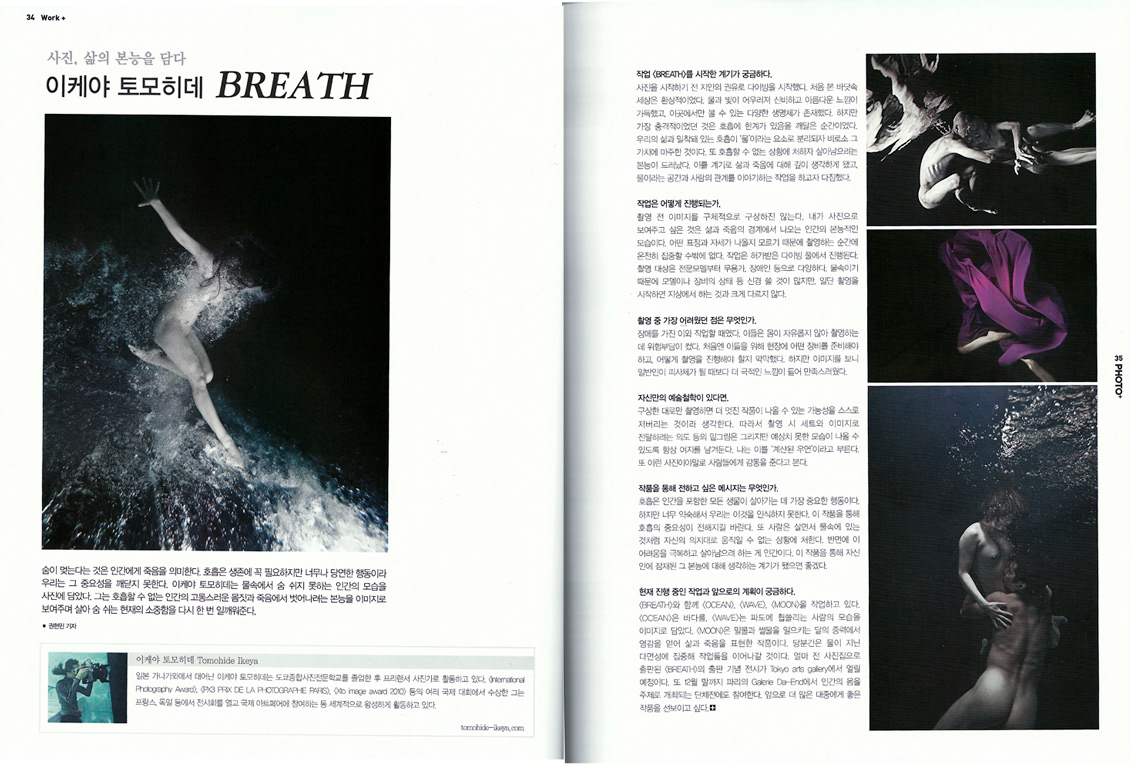
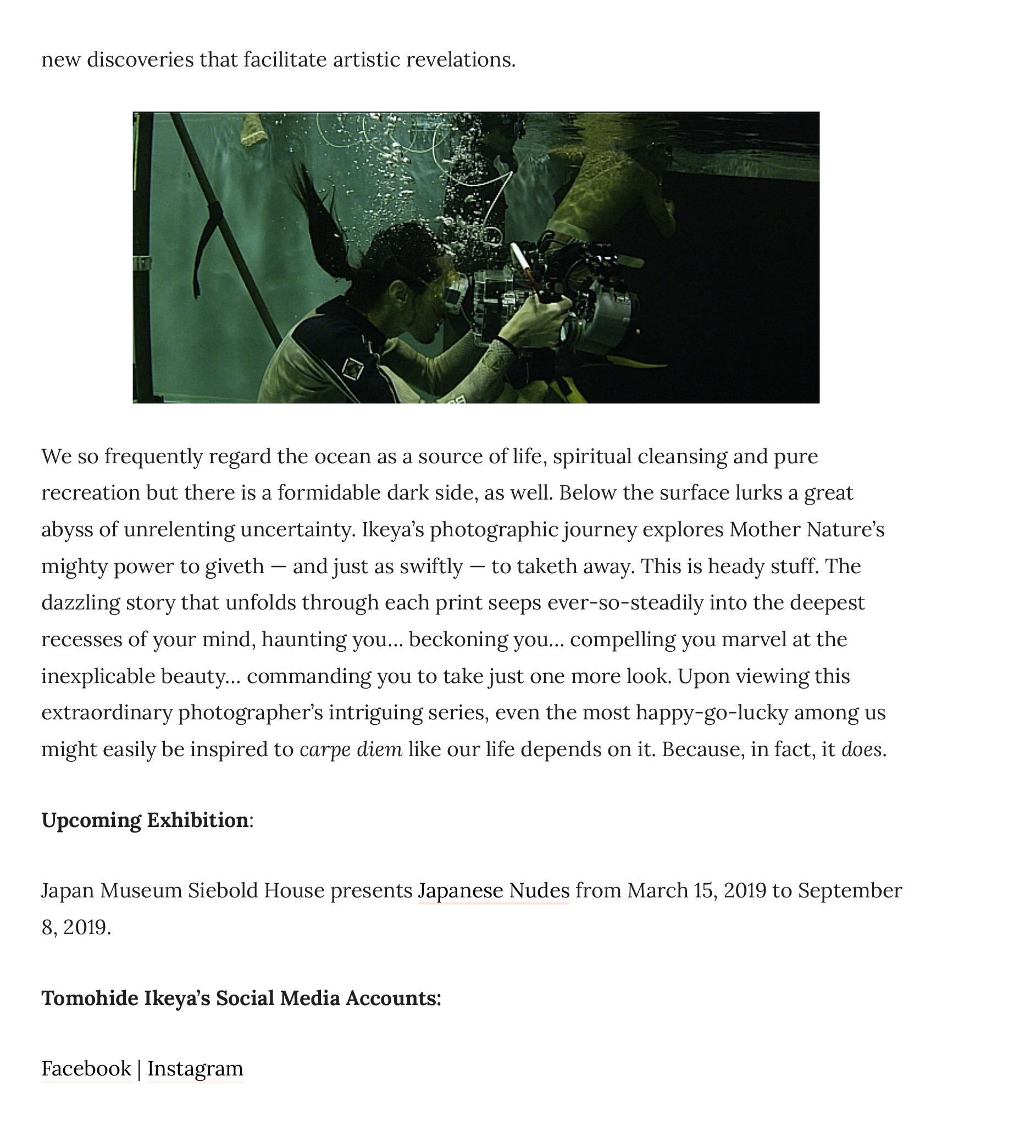
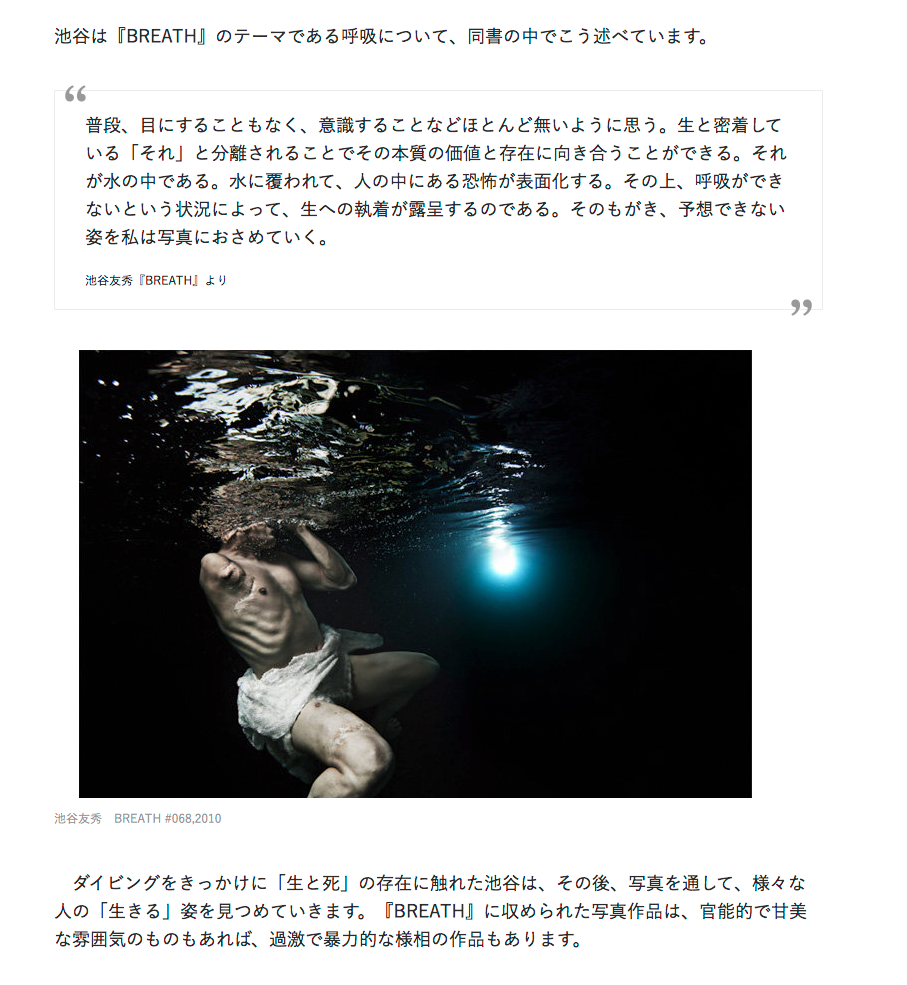
Tomohide Ikeya has been diving into the water without oxygen cylinders and taking photographs of people in the extreme conditions of life and death under the theme of BREATH, which is far more inconvenient for people underwater compared to on the ground. While the models are usually underwater for 30 seconds to a minute, Ikeya spends up to two minutes underwater, during which time he swims with them and struggles with breathing difficulties while filming.Some people with physical disabilities volunteered to be models for the underwater photographs. By standing on the edge of life and death, human beings can more strongly realise the appreciation of life and the power of life to live in defiance of the oncoming forces of death. This is something we have all experienced once or twice in our lives, but we tend to forget about it as we become mired in the boredom of monotonous, repetitive days and the common sense of a grim world.
Ikeya has symbolically extracted the borderline between life and death by utilising the underwater environment, and has fixed it in her photographs. By looking at these photographs, you may be able to recall the power of life that lies dormant in your memory.
Wind Traveller Editor in Chief
Tsuyoshi Saeki.
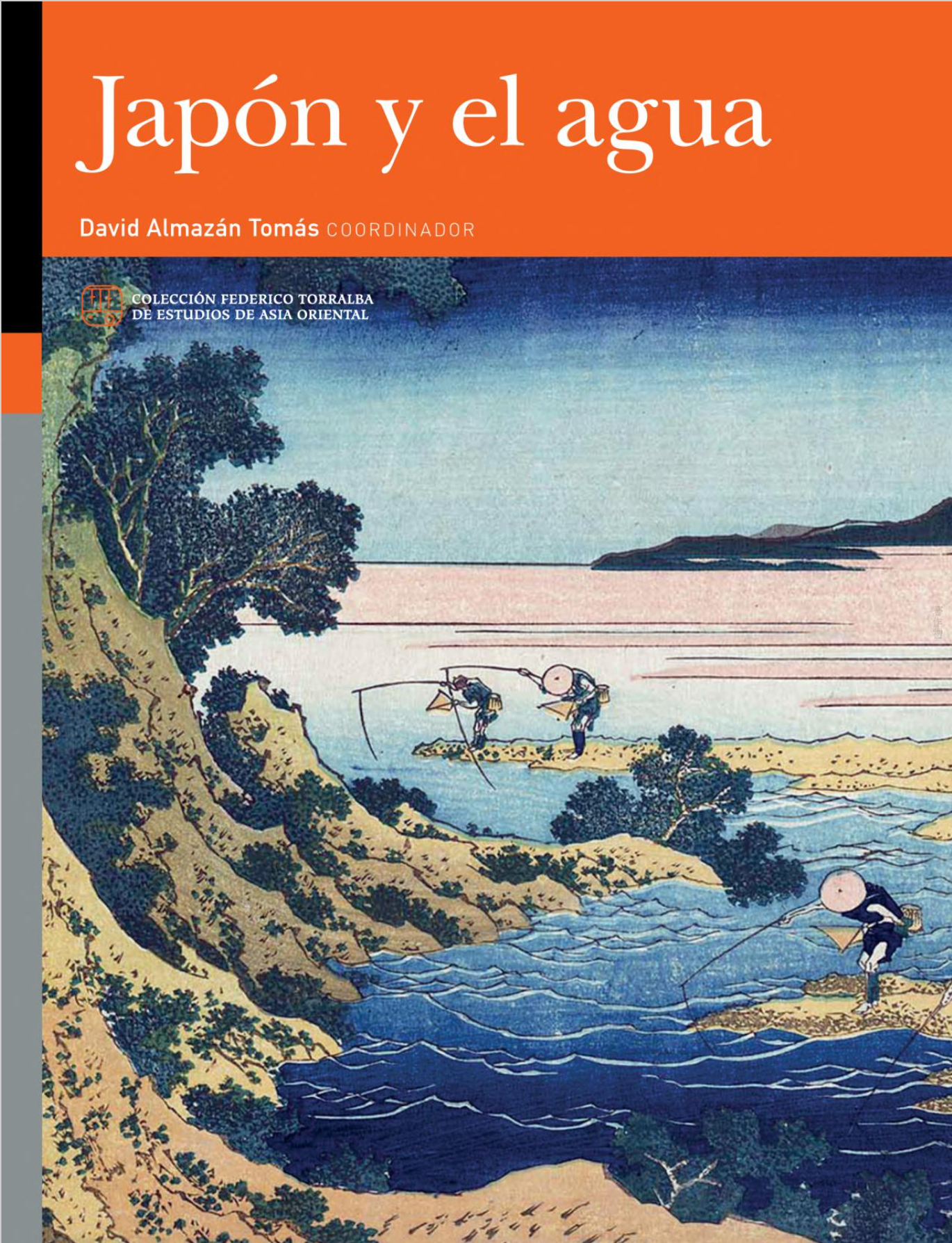
Japan and Water: Heritage Studies and Humanities It is published in Prensas de la Universided Universidad Zaragoza
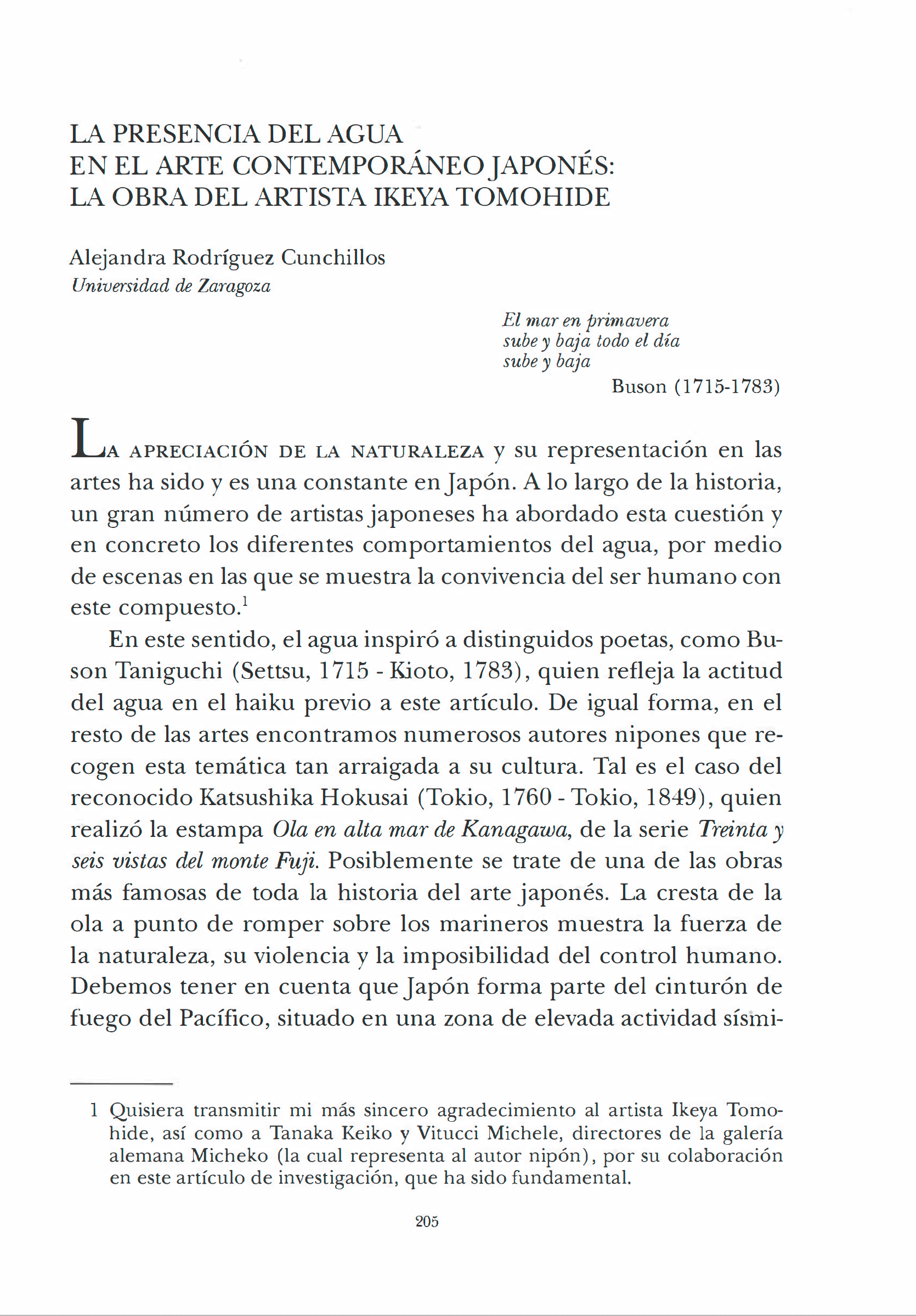
Japan and Water: Heritage Studies and Humanities It is published in Prensas de la Universided Universidad Zaragoza
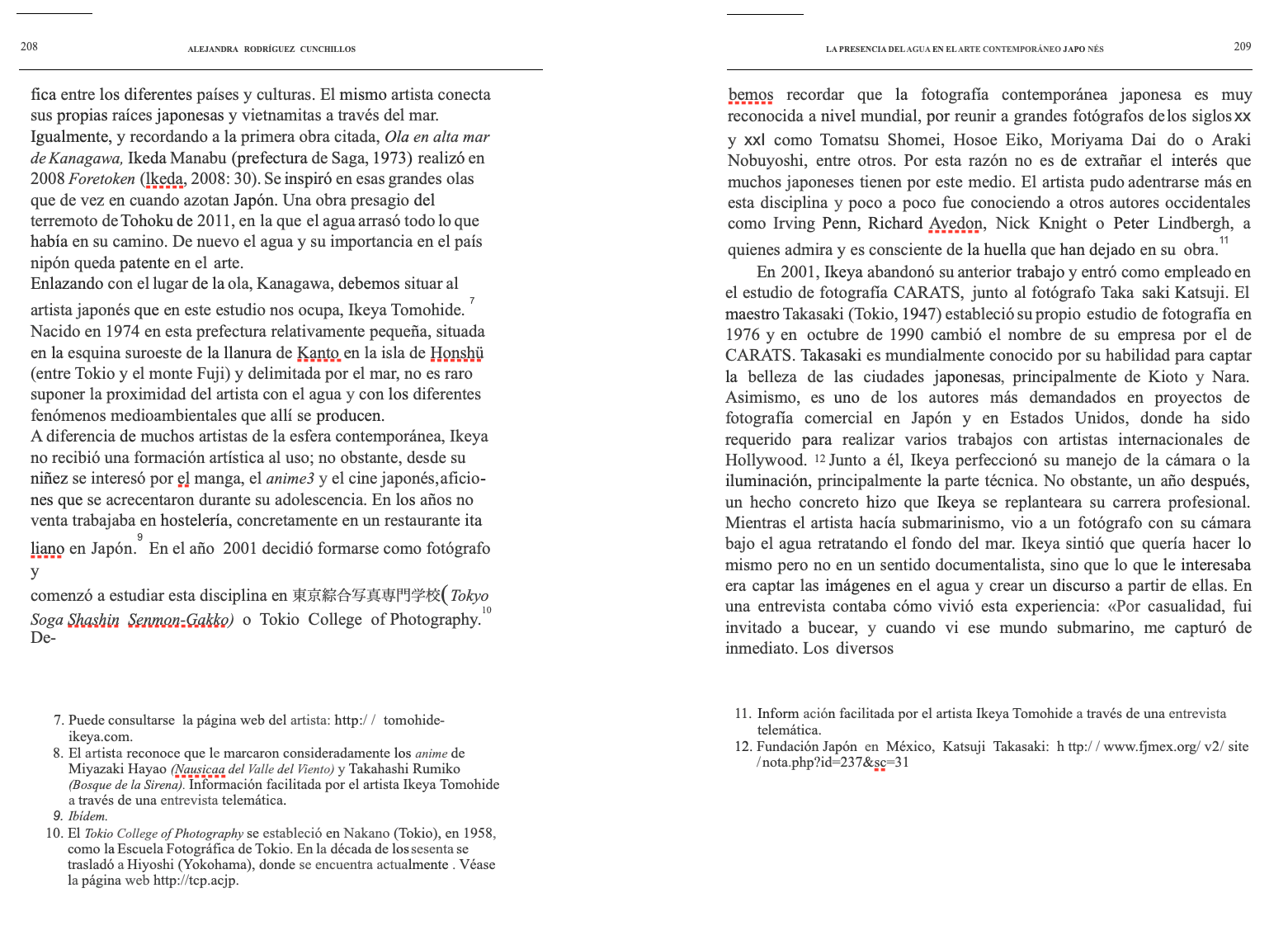
Japan and Water: Heritage Studies and Humanities It is published in Prensas de la Universided Universidad Zaragoza
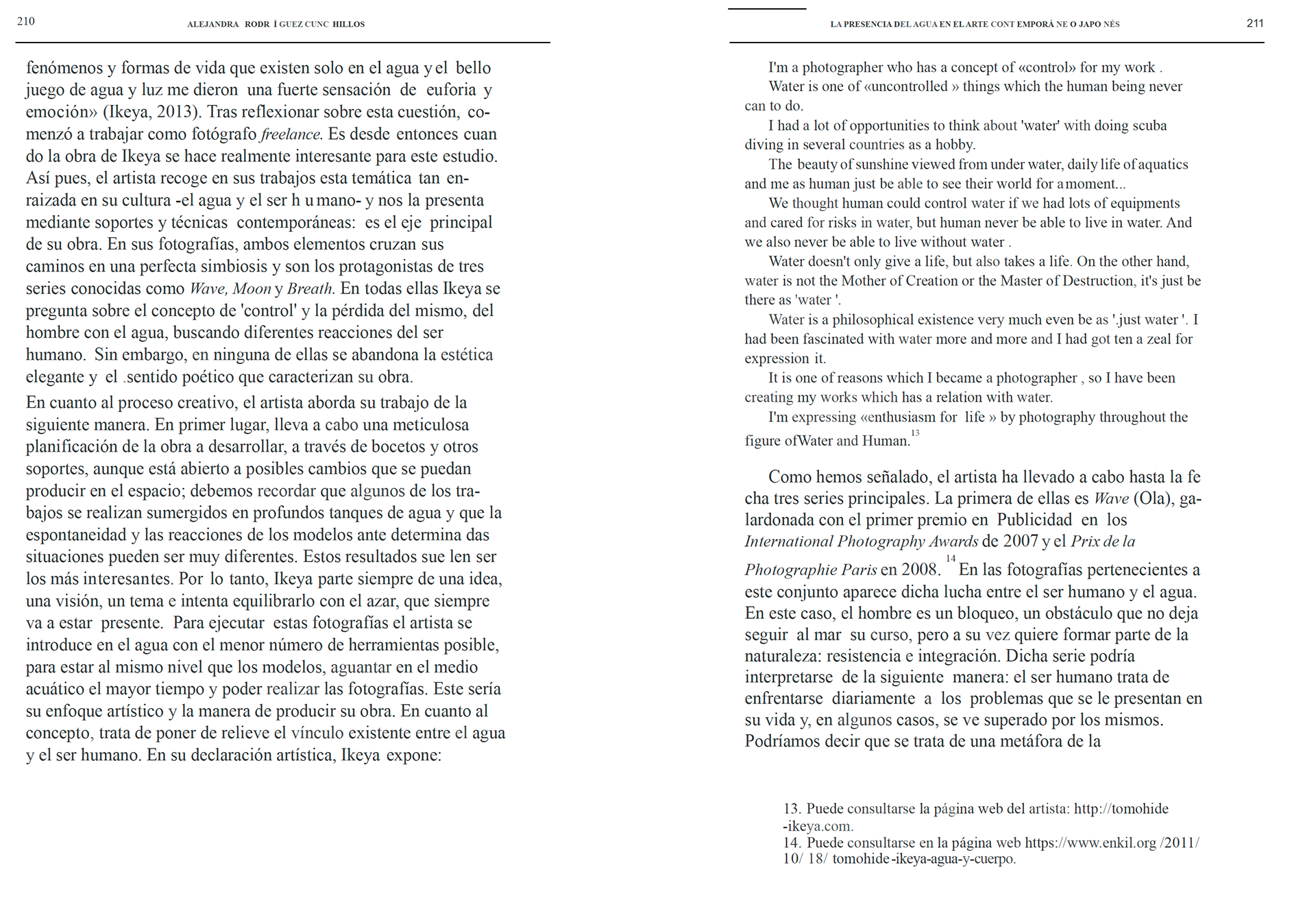
Japan and Water: Heritage Studies and Humanities It is published in Prensas de la Universided Universidad Zaragoza
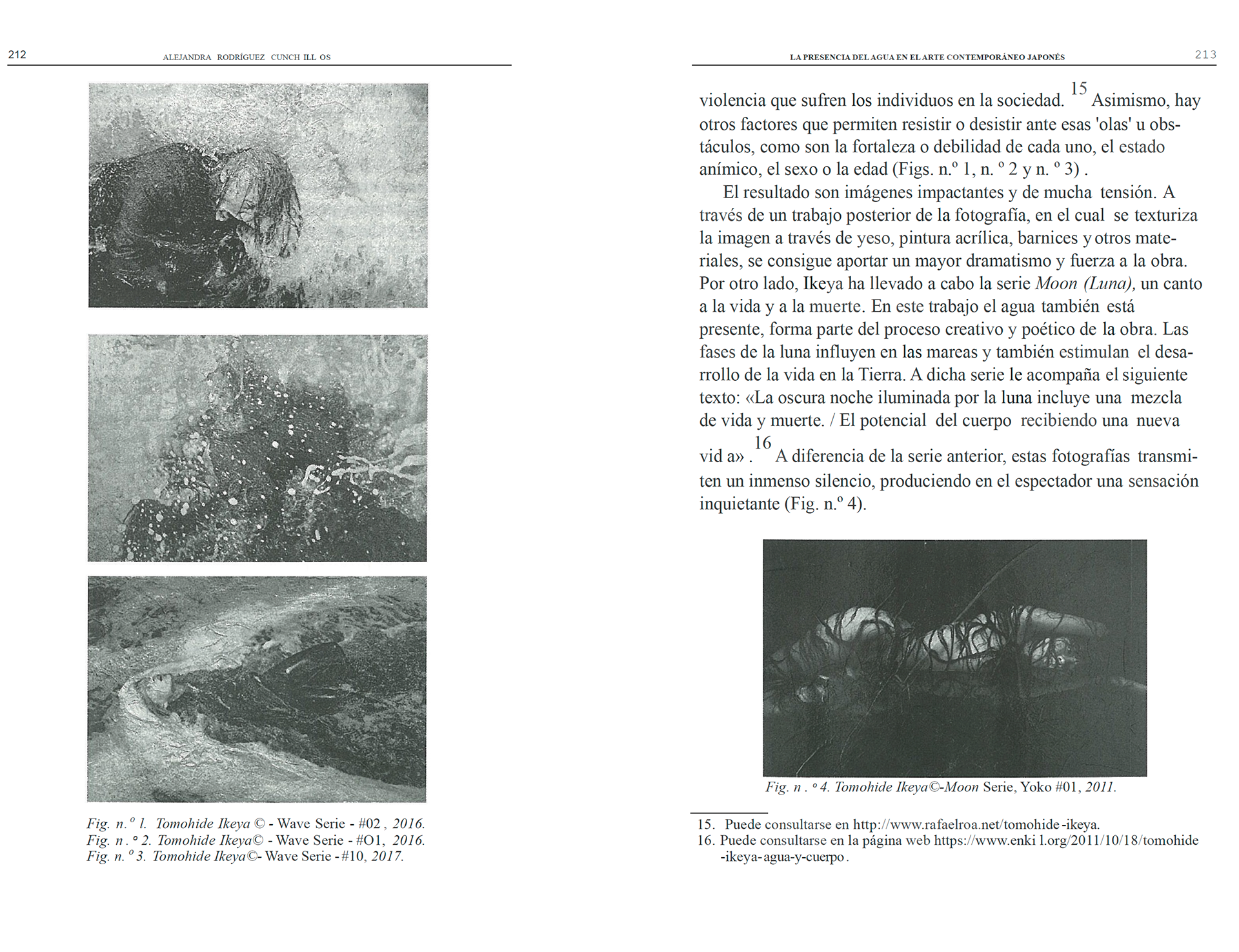
Japan and Water: Heritage Studies and Humanities It is published in Prensas de la Universided Universidad Zaragoza
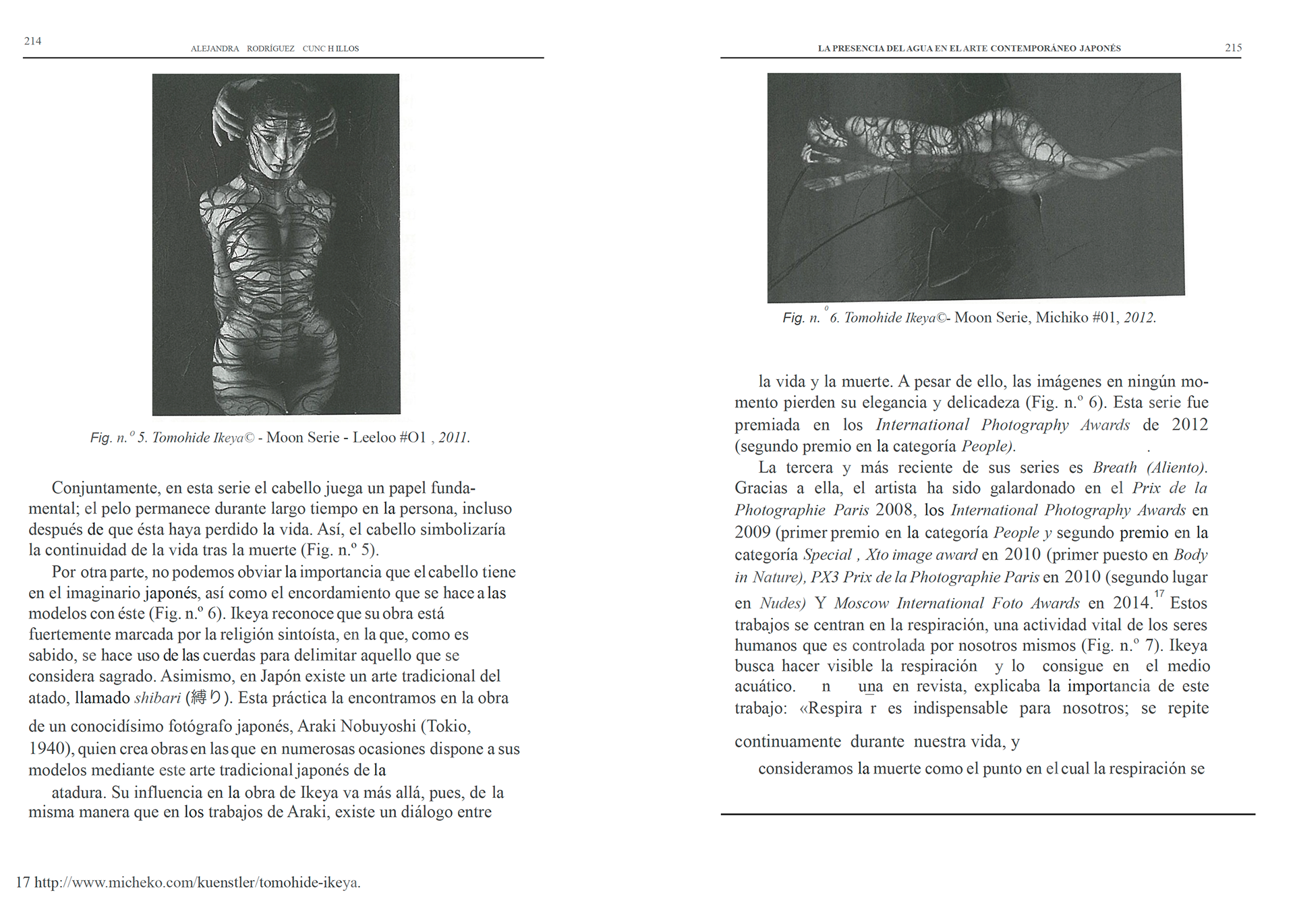
Japan and Water: Heritage Studies and Humanities It is published in Prensas de la Universided Universidad Zaragoza
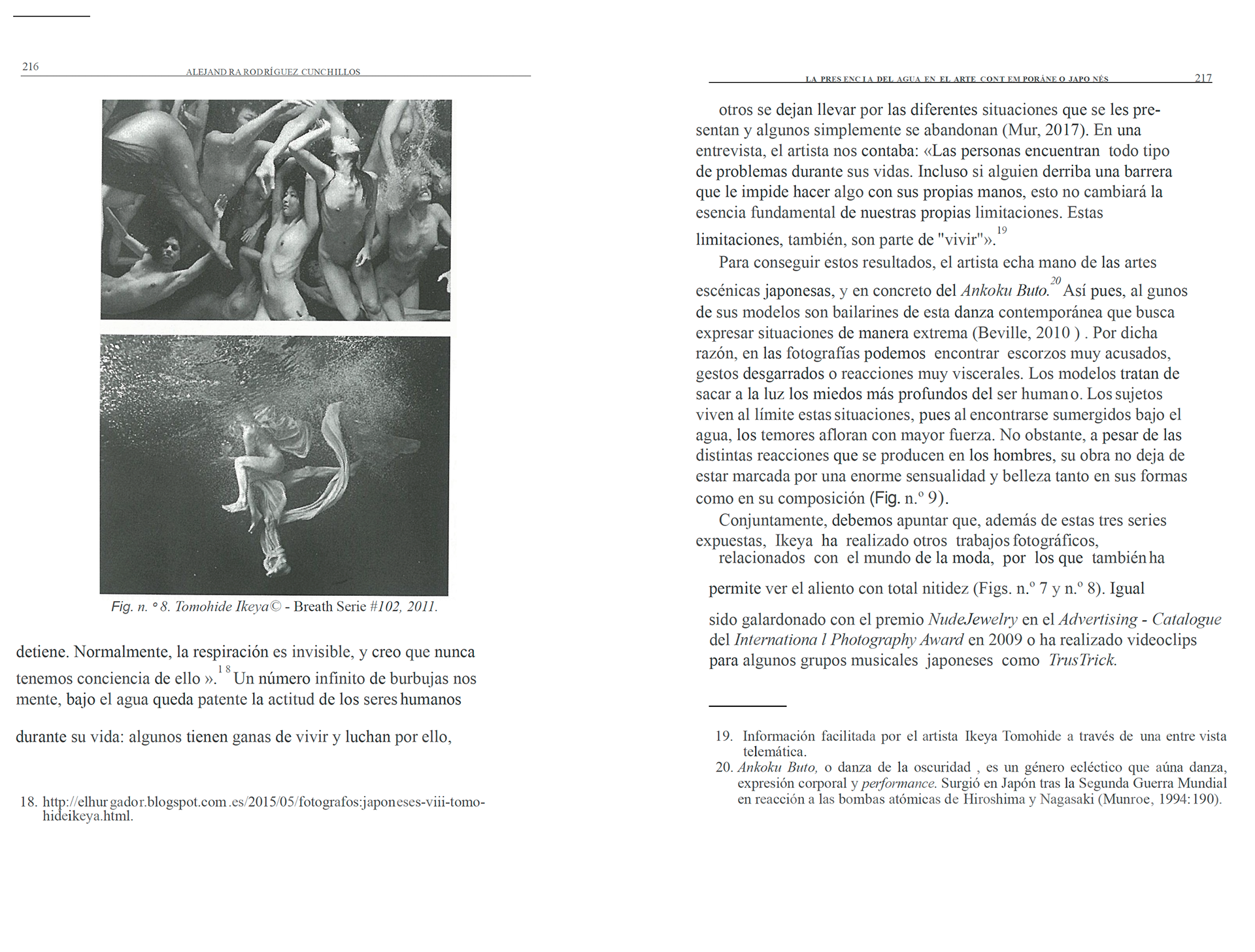
Japan and Water: Heritage Studies and Humanities It is published in Prensas de la Universided Universidad Zaragoza
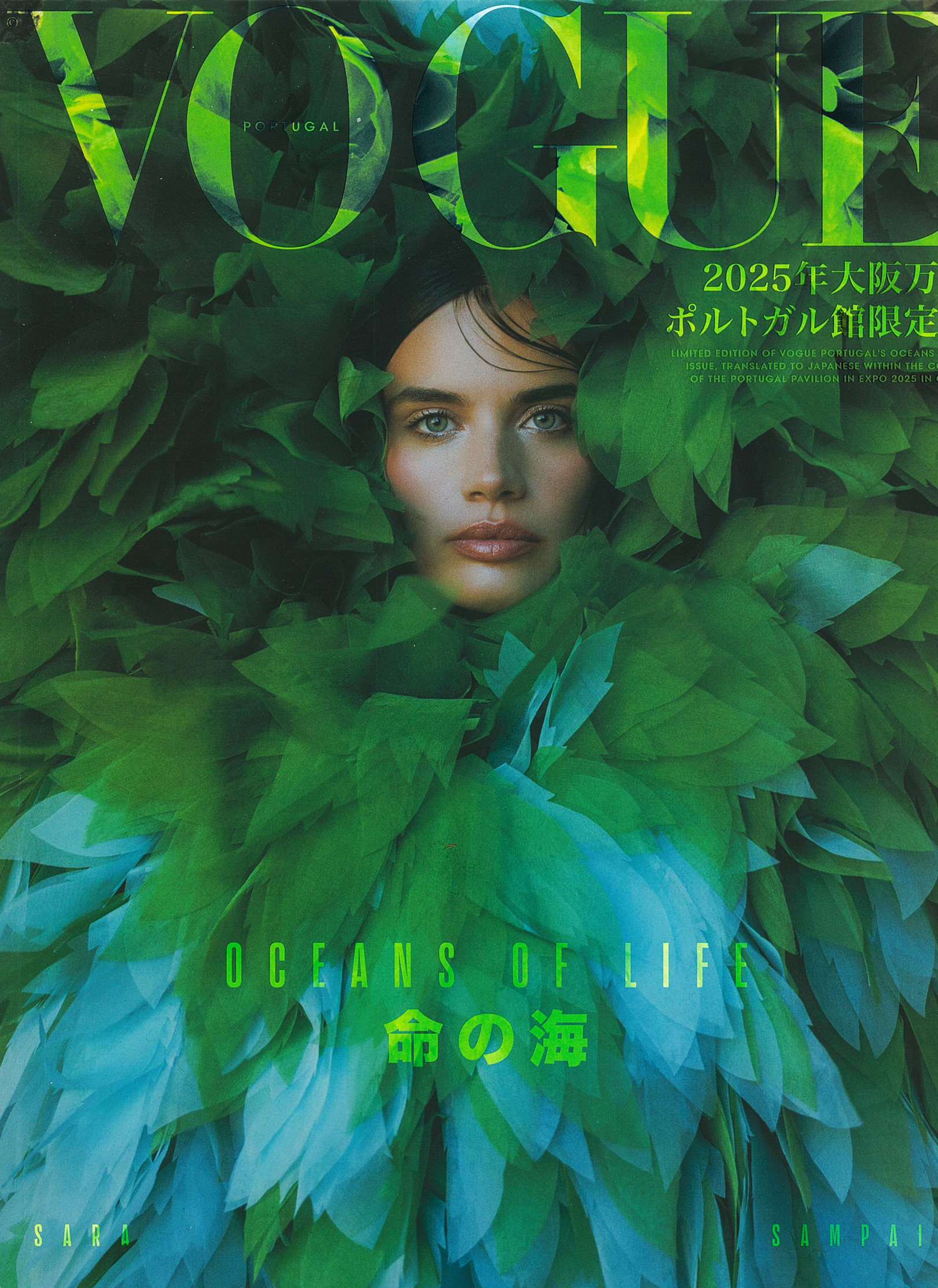
Vogue Portugal Japan Edition — Expo 2025 Osaka
Special Feature: "OCEANS OF LIFE / 命の海 — 深い呼吸"
Special Feature: "OCEANS OF LIFE / 命の海 — 深い呼吸"
Special Limited Edition in Partnership with Turismo de Portugal
September 2025
September 2025
Series: BREATH
Partnership: Turismo de Portugal × Vogue Portugal
Venue: Portugal Pavilion, Expo 2025 Osaka, Kansai
Distribution Period: September 2025
Format: Standard Edition & Mini Edition
Language: Complete Japanese Translation


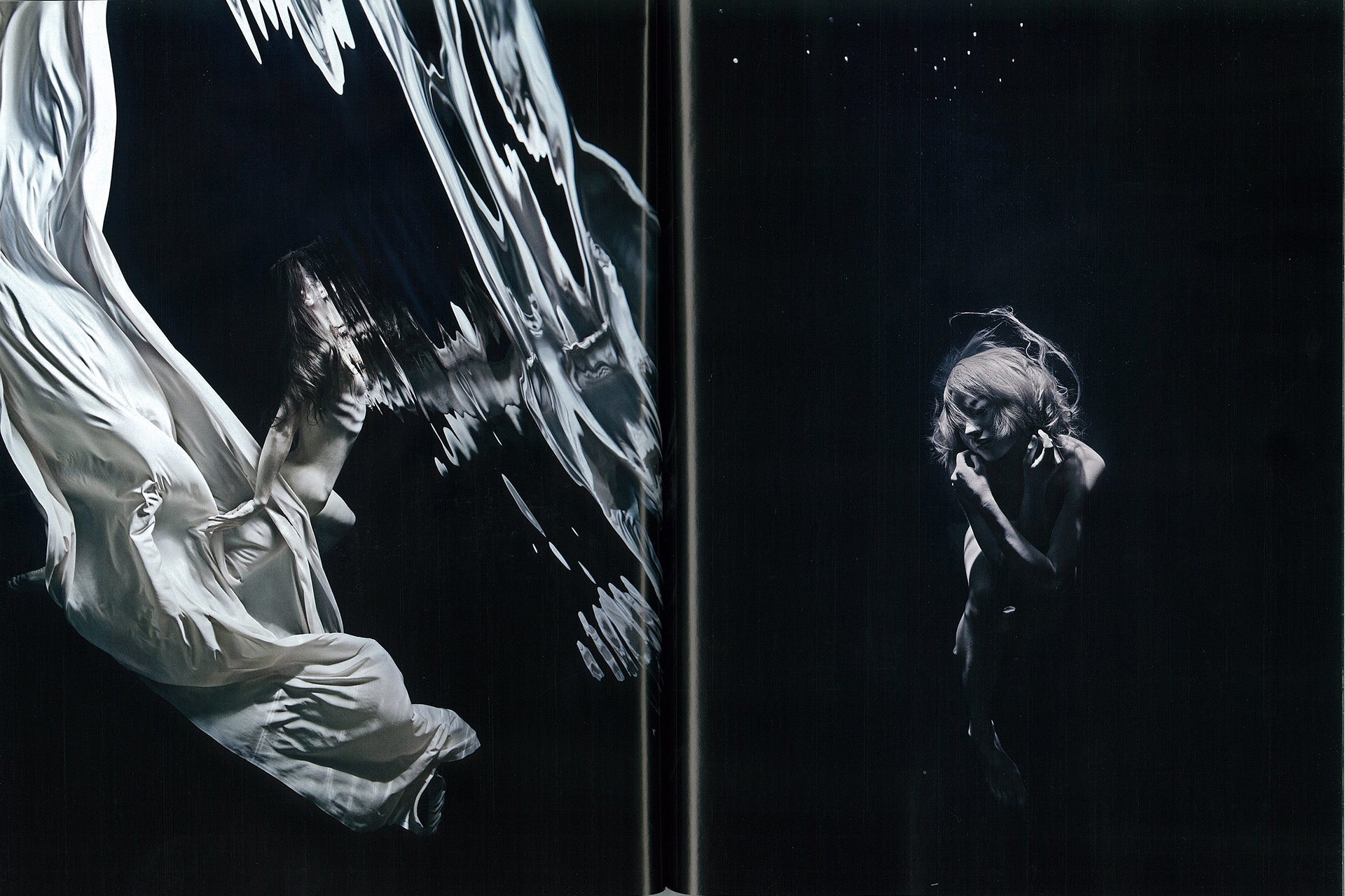
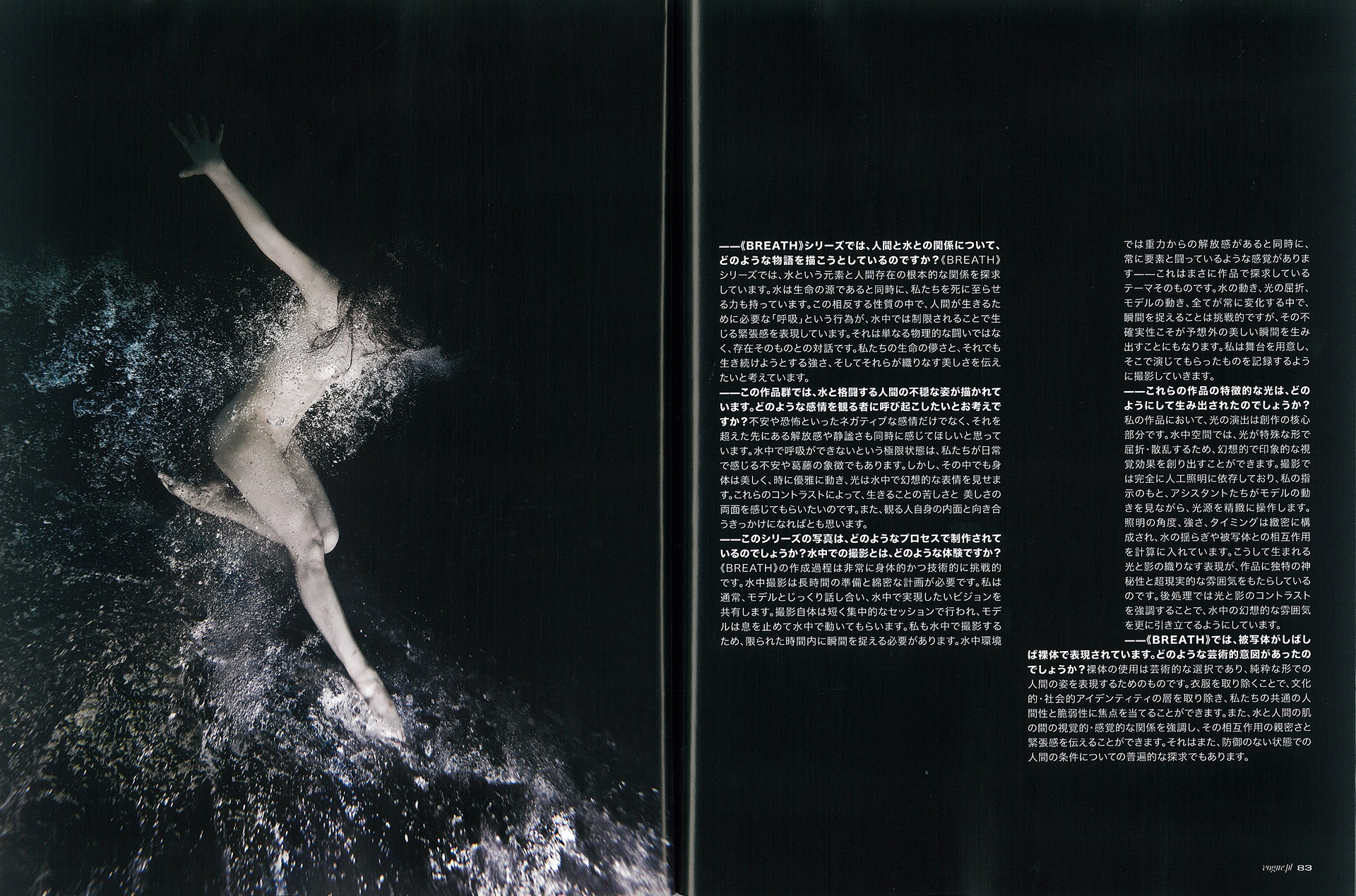
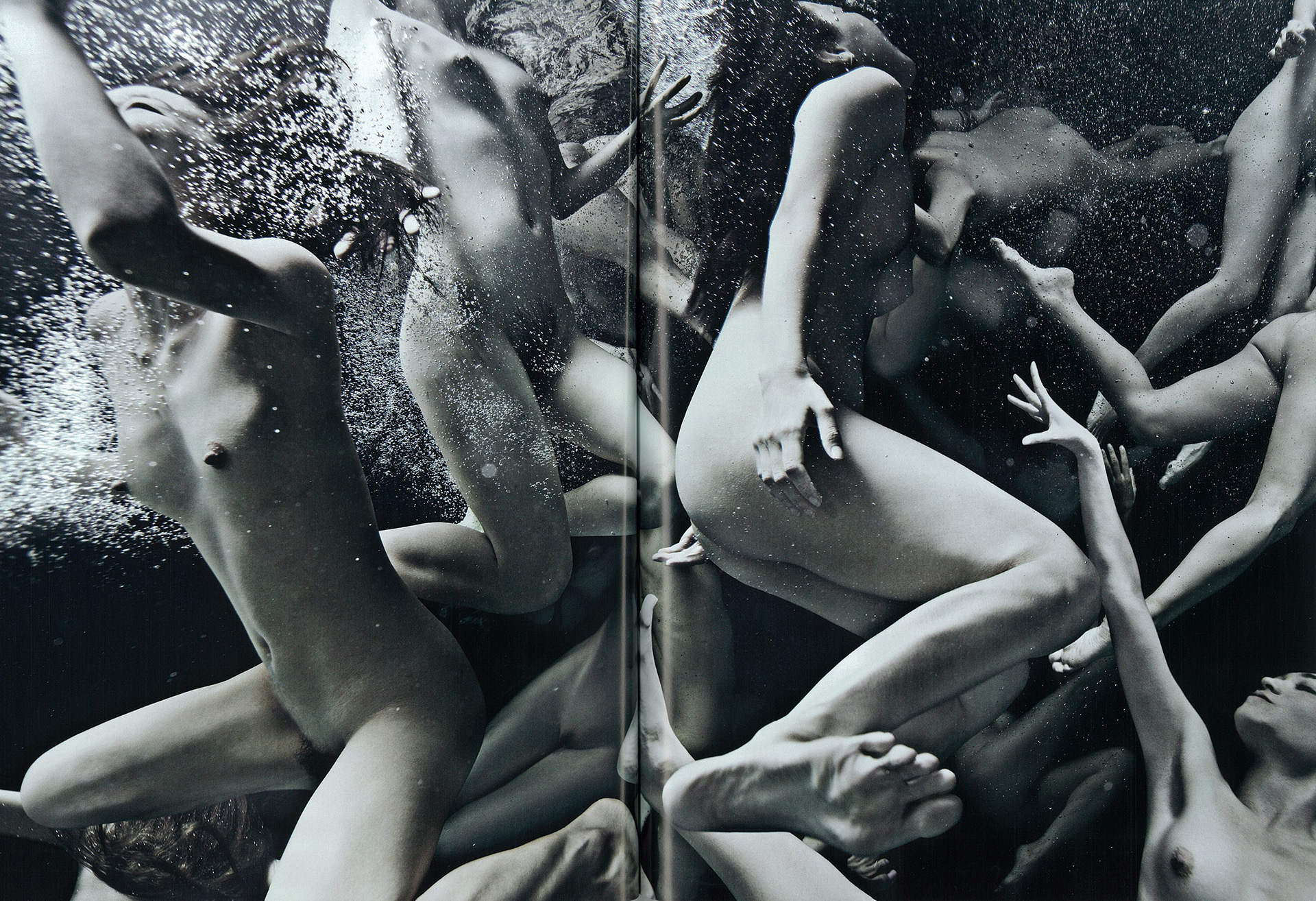
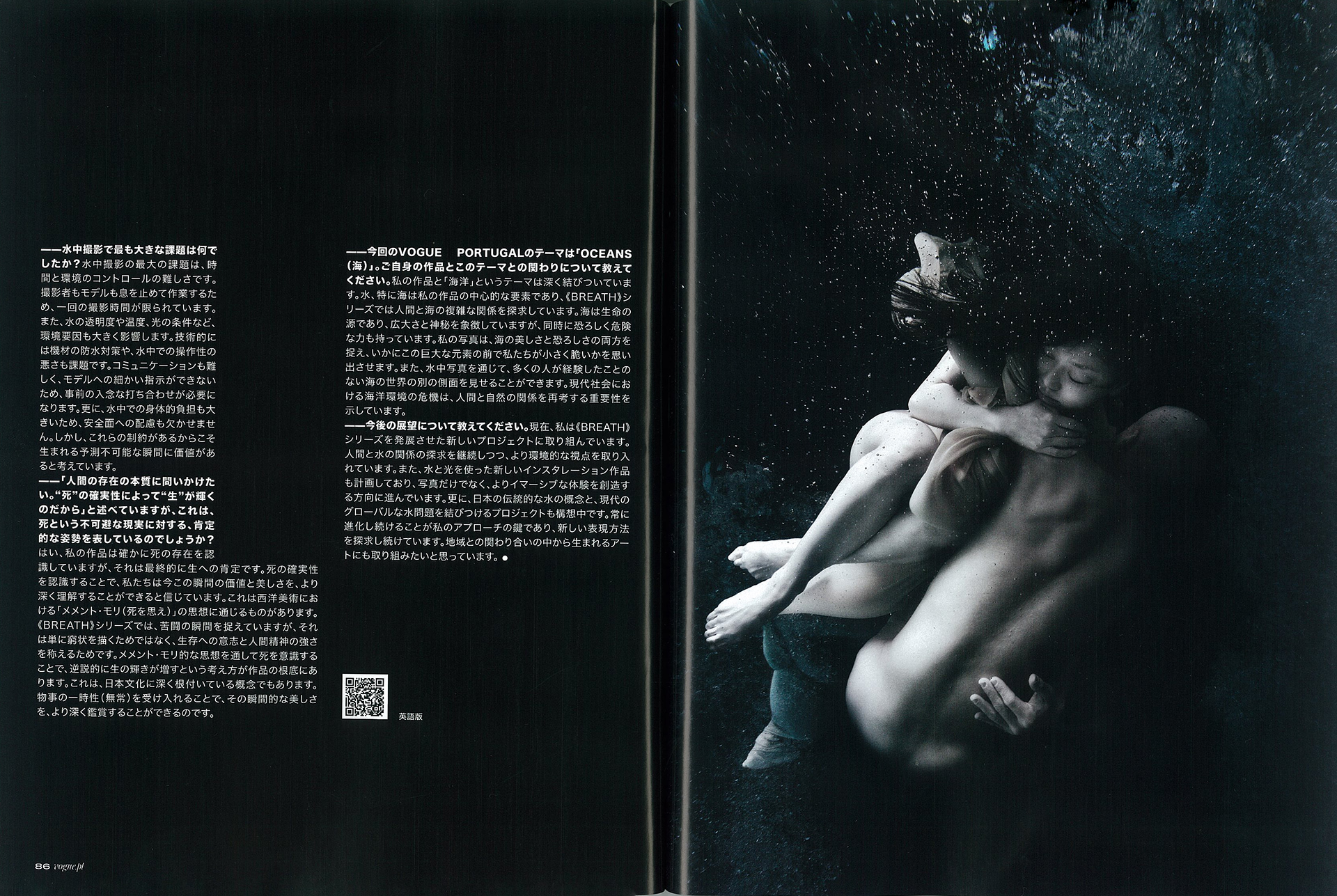
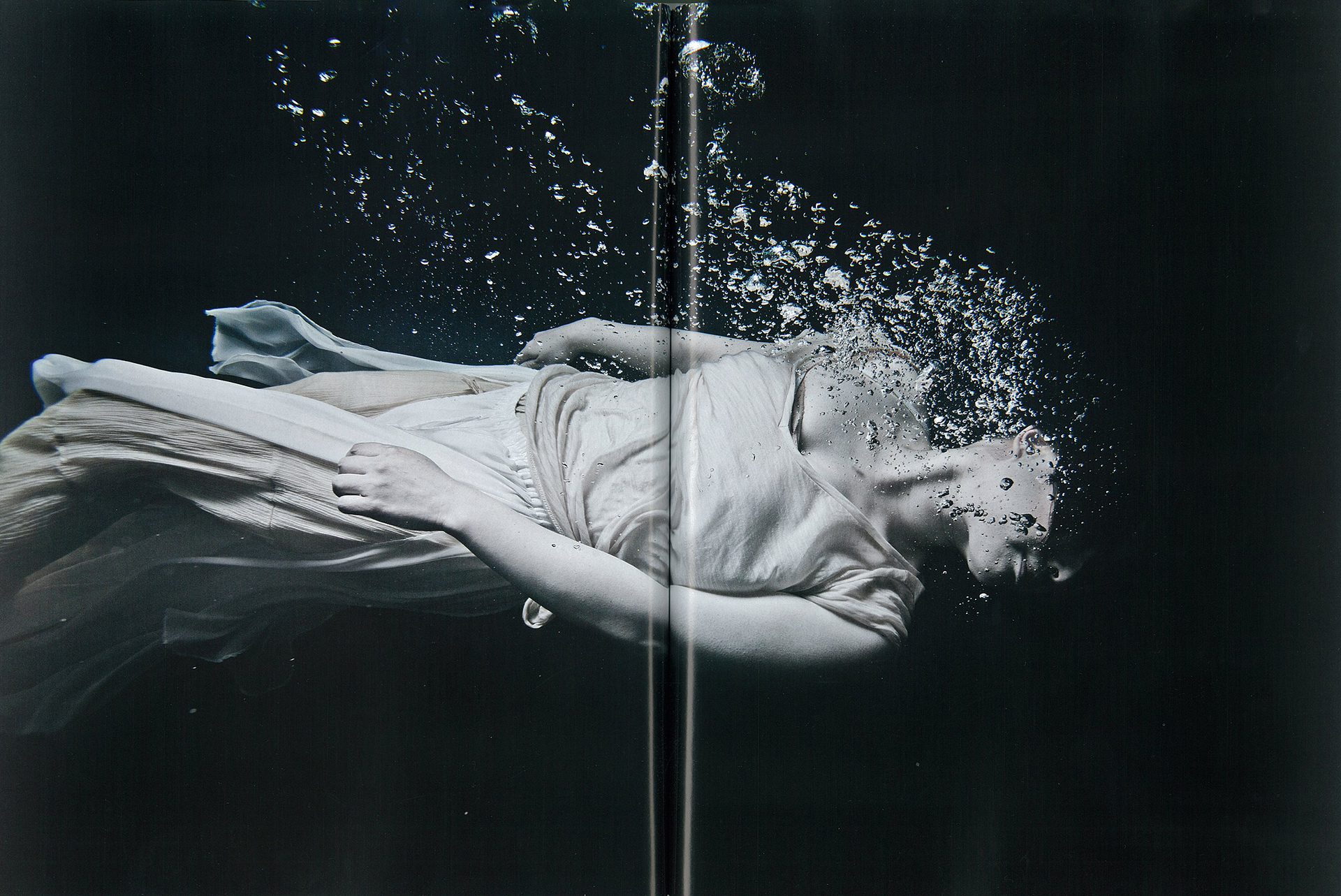
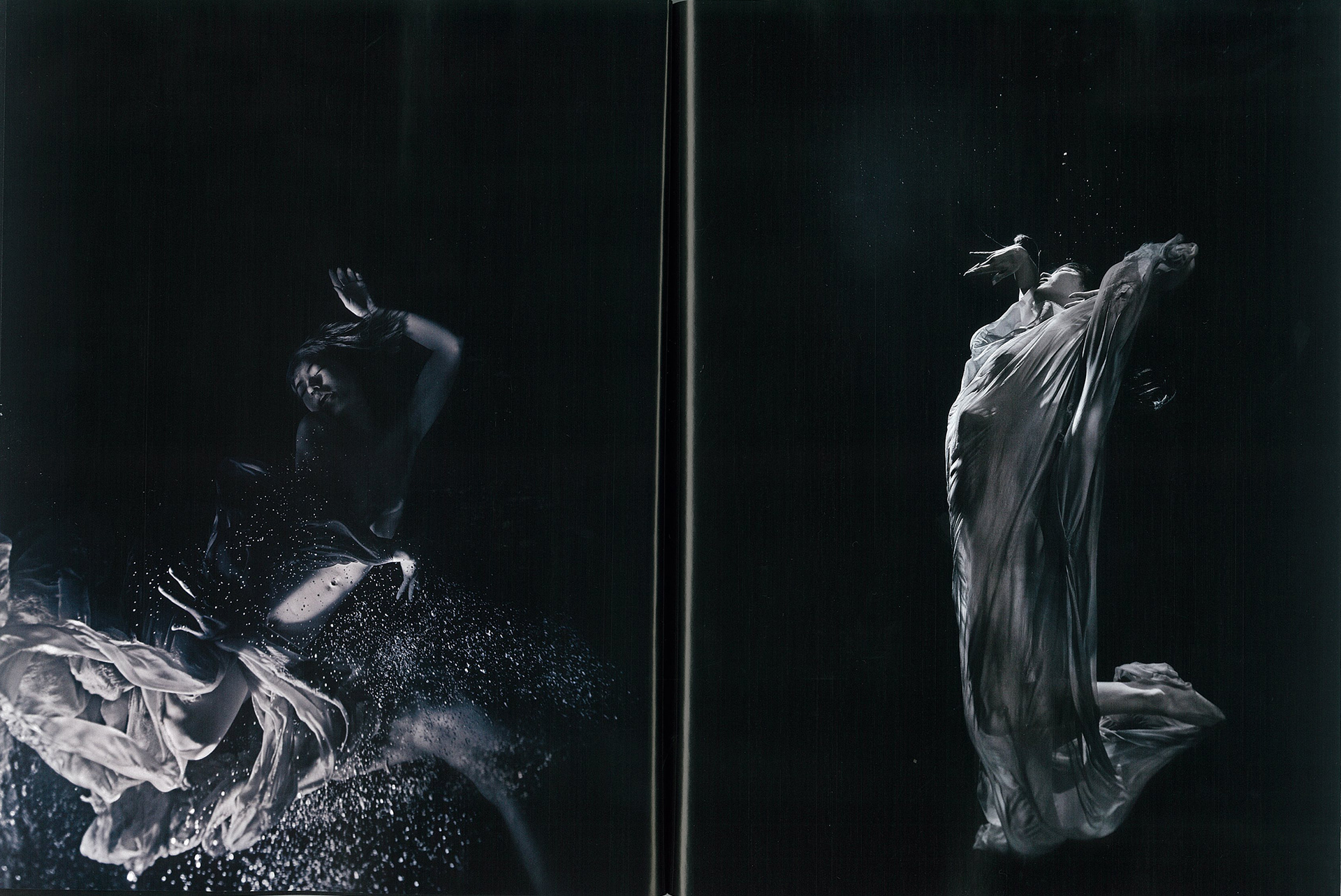
In a submerged environment, where lines and silhouettes are moulded by a liquid state, Japanese artist Tomohide Ikeya has built an artistic universe based on the relationship between the human body and water - through contrasting compositions that highlight the fragility of the human condition and question our relationship with this element.

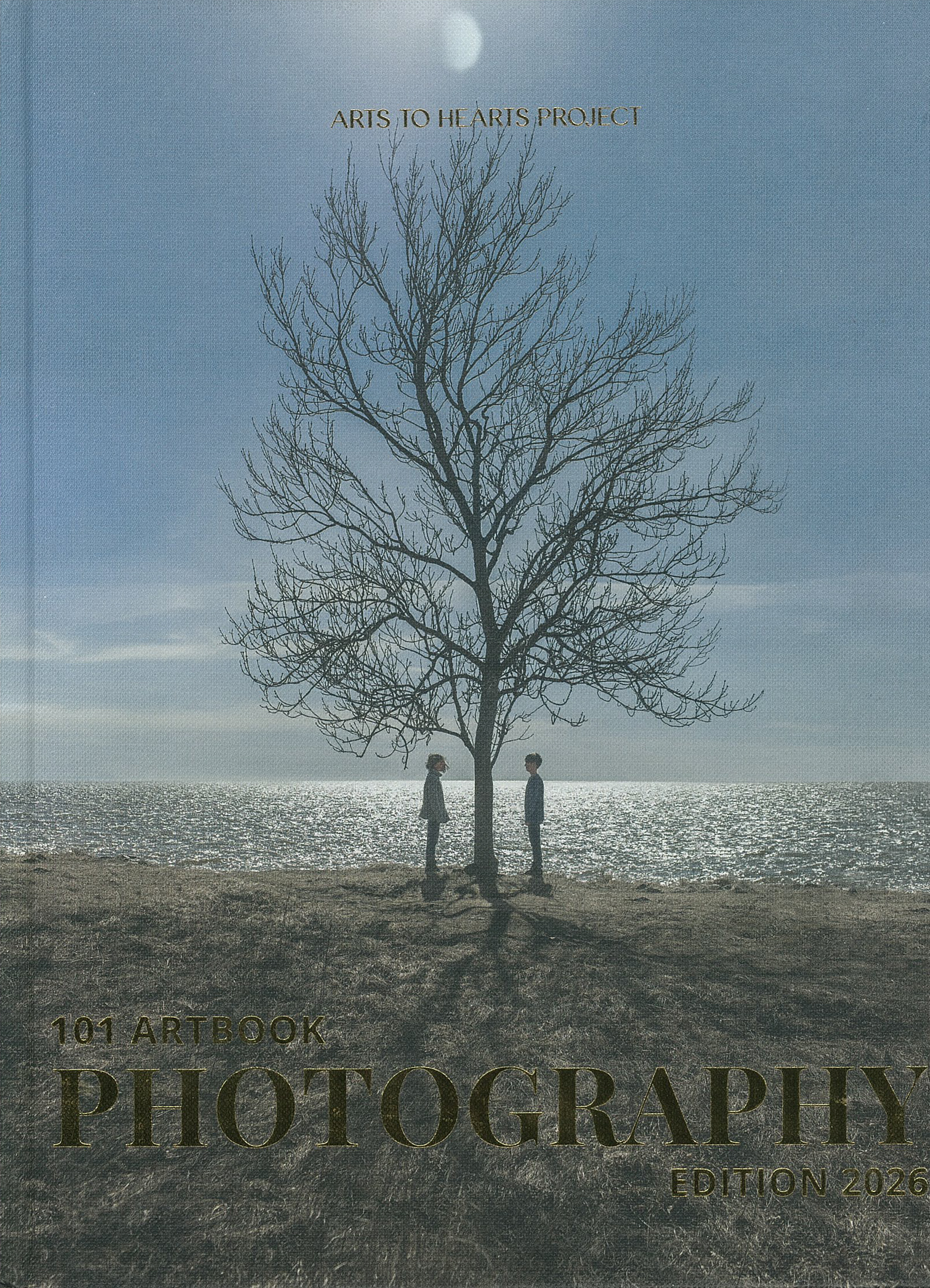
A hardcover zig-zag coffee table book, thoughtfully designed as both a visual and tactile experience. 101 Art Book: Photography Edition is finished with gold foil detailing and produced with museum-quality printing, reflecting a commitment to both craftsmanship and permanence. Featuring cover artist Dasha Pears, whose conceptual visual language sets the tone for the edition. Bringing together 101 photographers from across the globe, this edition presents a wide spectrum of perspectives spanning portraiture, street, abstraction, and beyond.

Beautiful Bizarre Magazine 2019 Written by ELIZAH LEIGH
Beautiful Bizarre Magazine 2019 Written by ELIZAH LEIGH
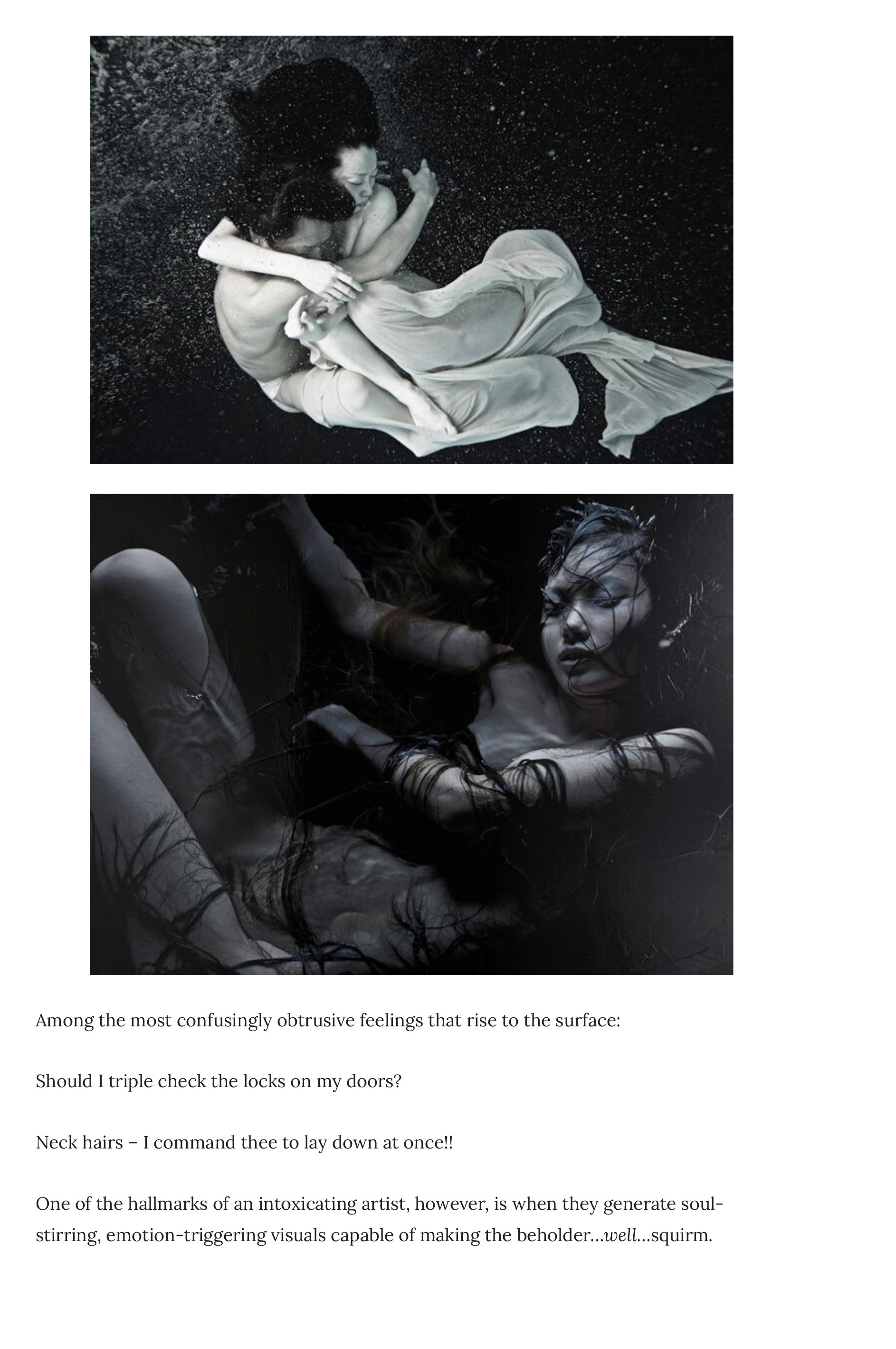
Beautiful Bizarre Magazine 2019 Written by ELIZAH LEIGH
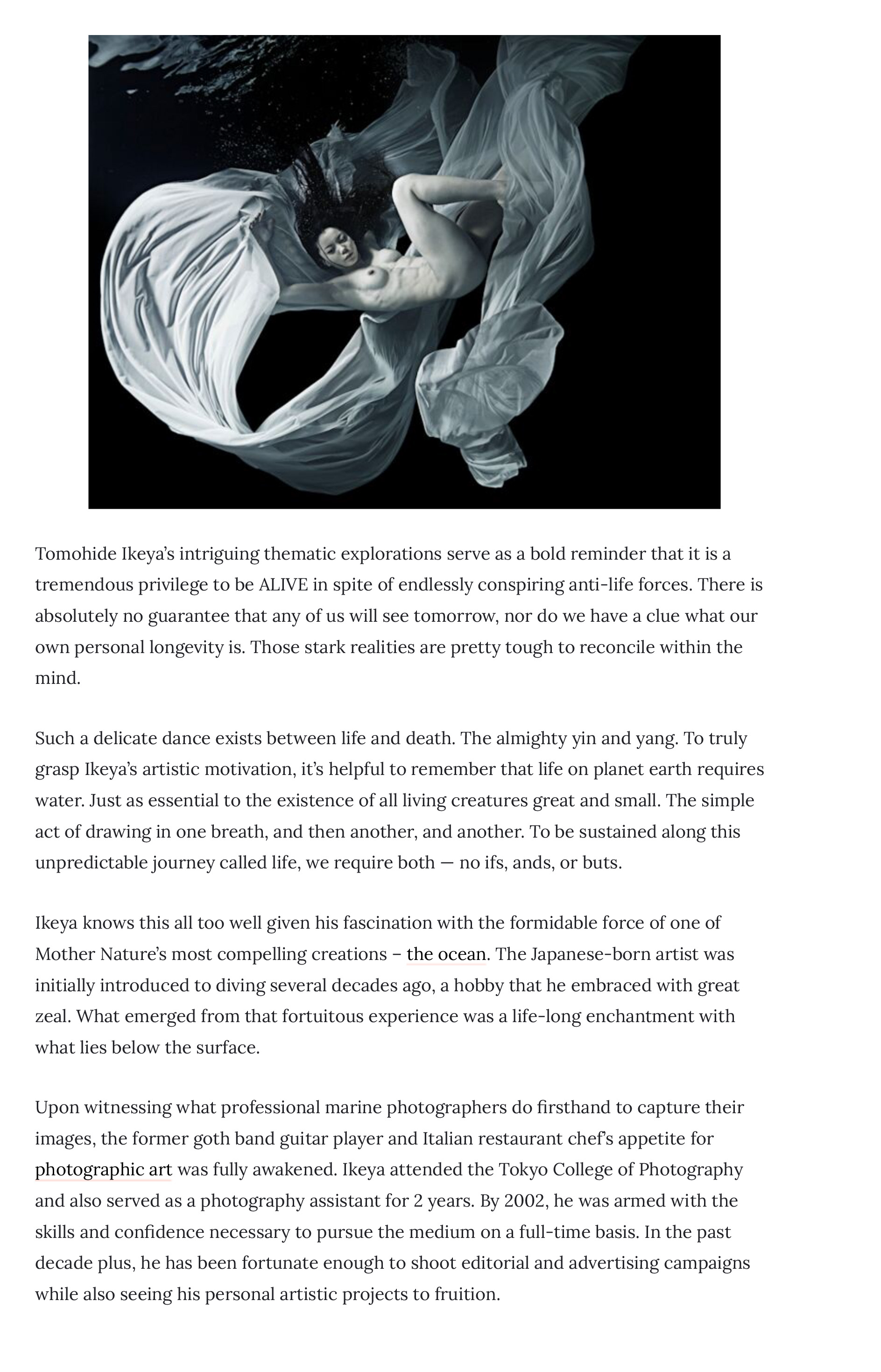
Beautiful Bizarre Magazine 2019 Written by ELIZAH LEIGH

Beautiful Bizarre Magazine 2019 Written by ELIZAH LEIGH
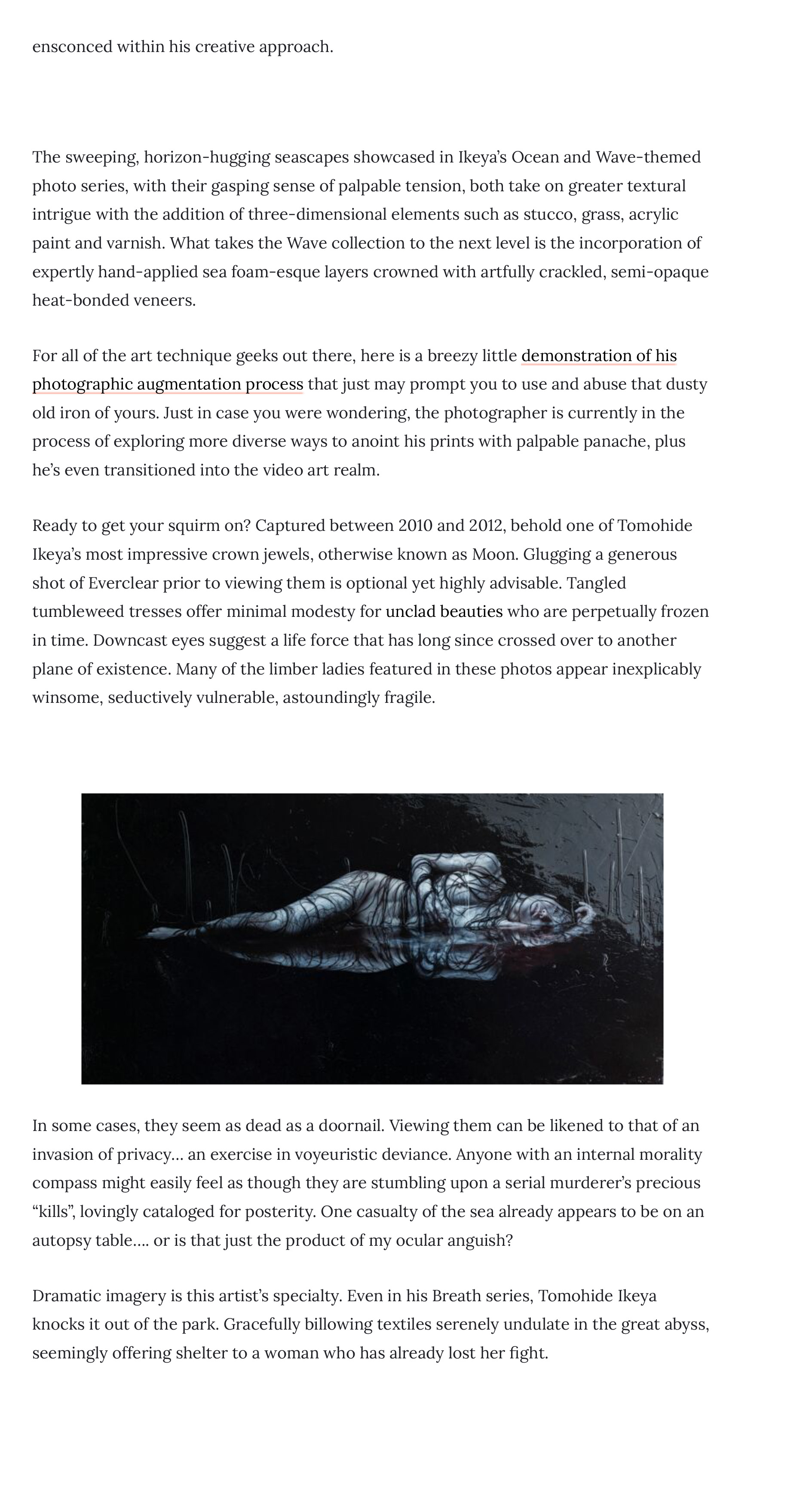
Beautiful Bizarre Magazine 2019 Written by ELIZAH LEIGH
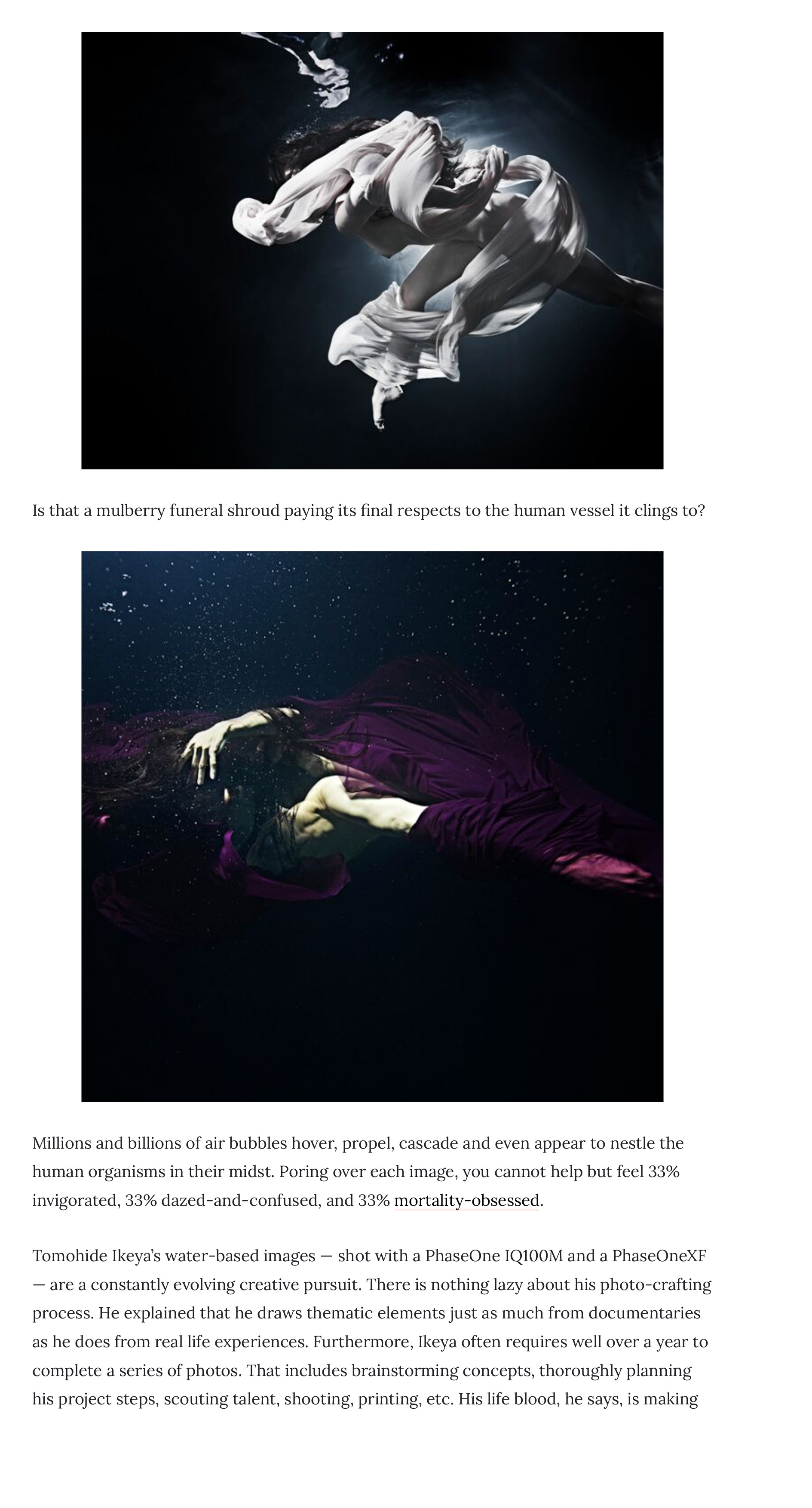
Beautiful Bizarre Magazine 2019 Written by ELIZAH LEIGH
Beautiful Bizarre Magazine 2019 Written by ELIZAH LEIGH

FotoNostrum Magazine, issue.15, 2021
FotoNostrum Magazine, issue.15, 2021
FotoNostrum Magazine, issue.15, 2021
FotoNostrum Magazine, issue.15, 2021
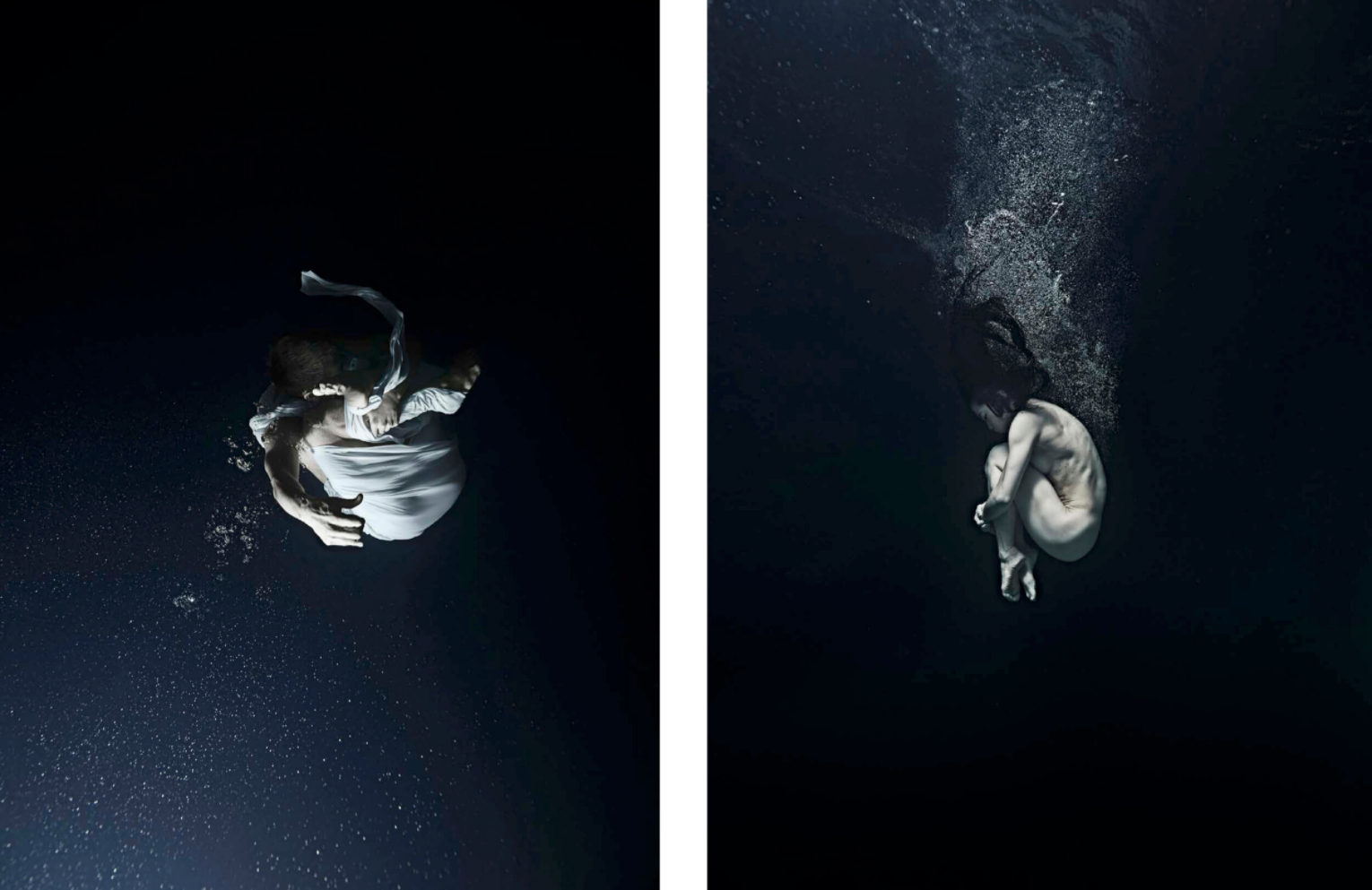
FotoNostrum Magazine, issue.15, 2021
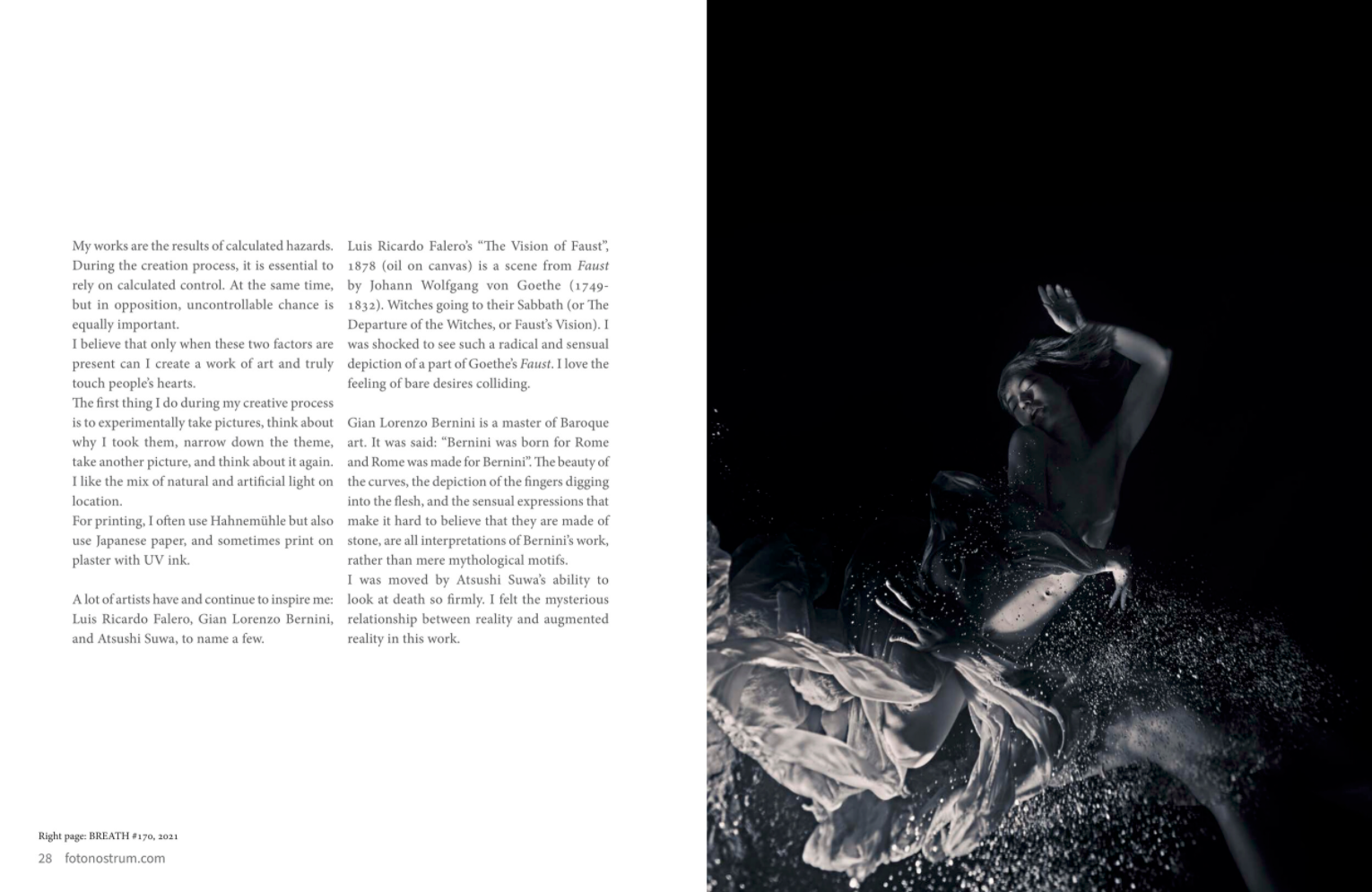
FotoNostrum Magazine, issue.15, 2021
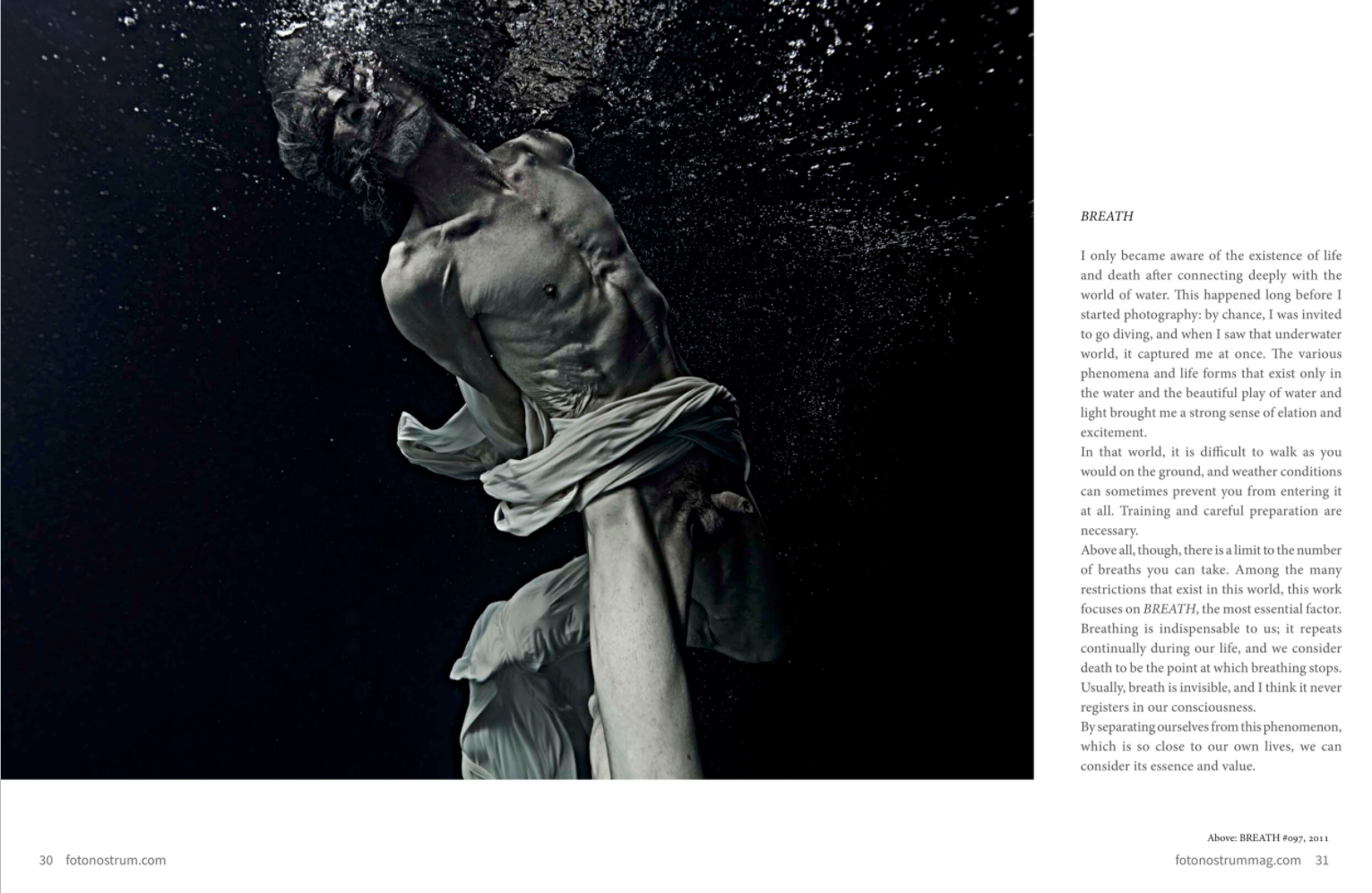
FotoNostrum Magazine, issue.15, 2021
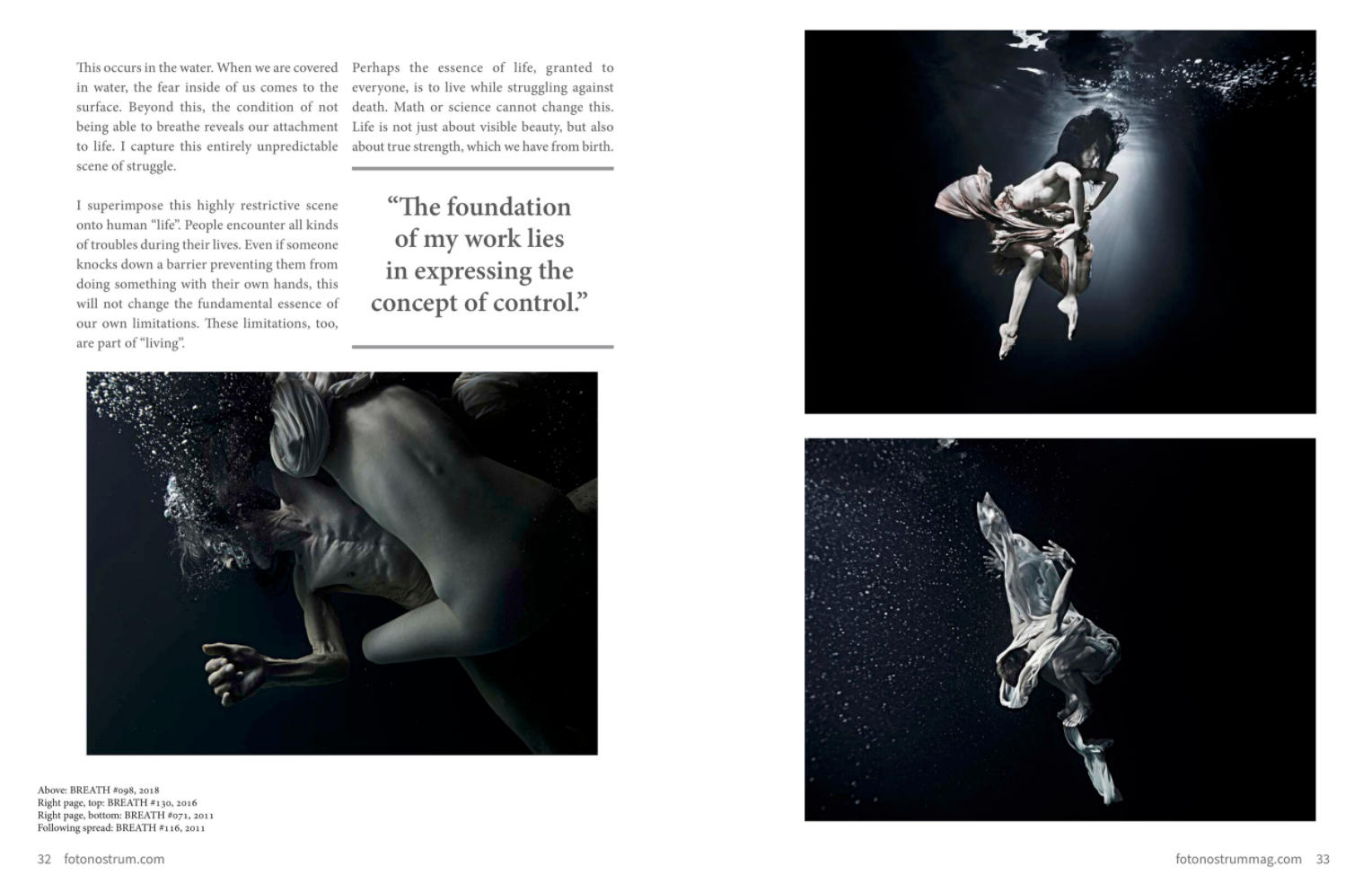
FotoNostrum Magazine, issue.15, 2021
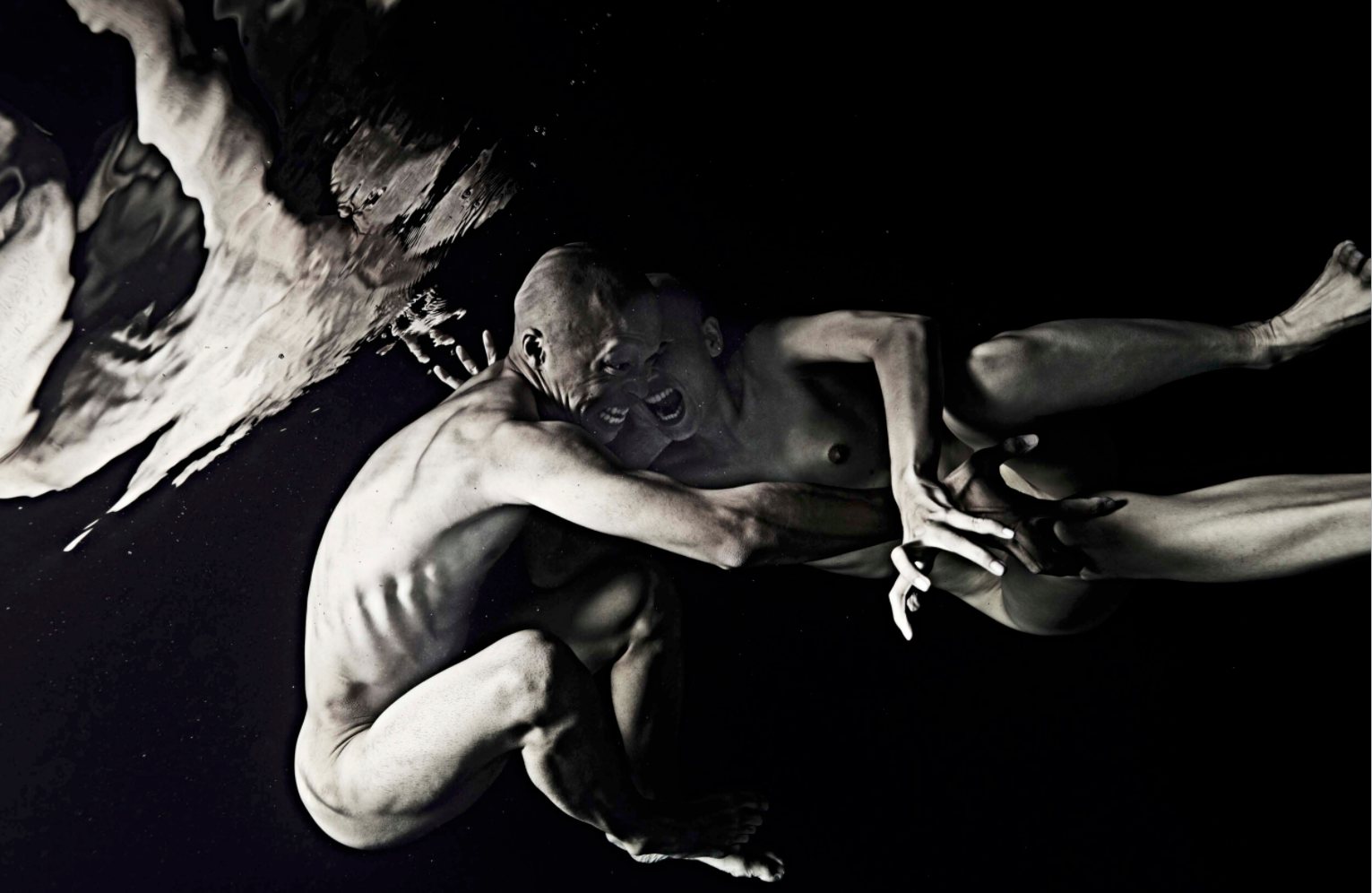
FotoNostrum Magazine, issue.15, 2021
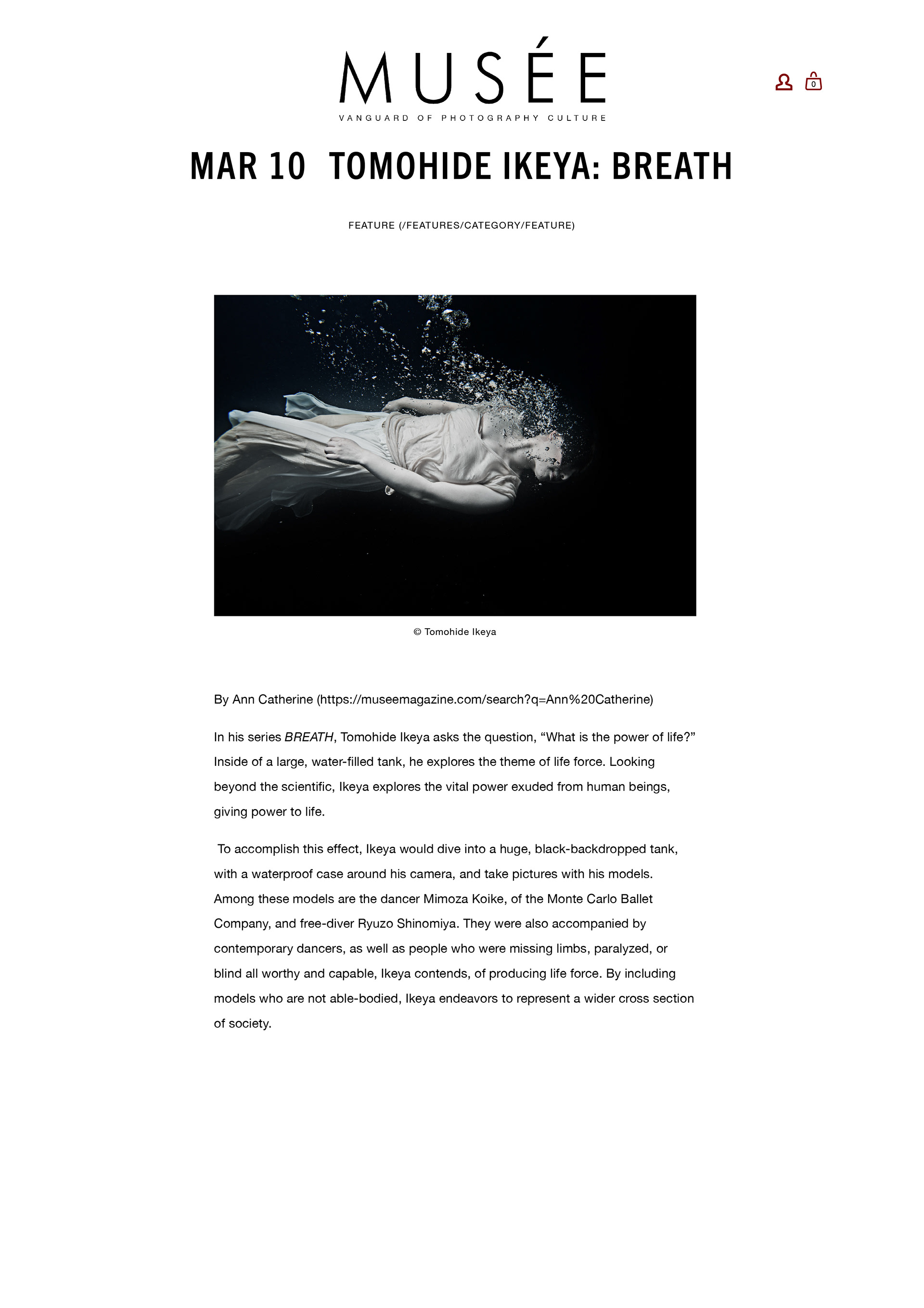
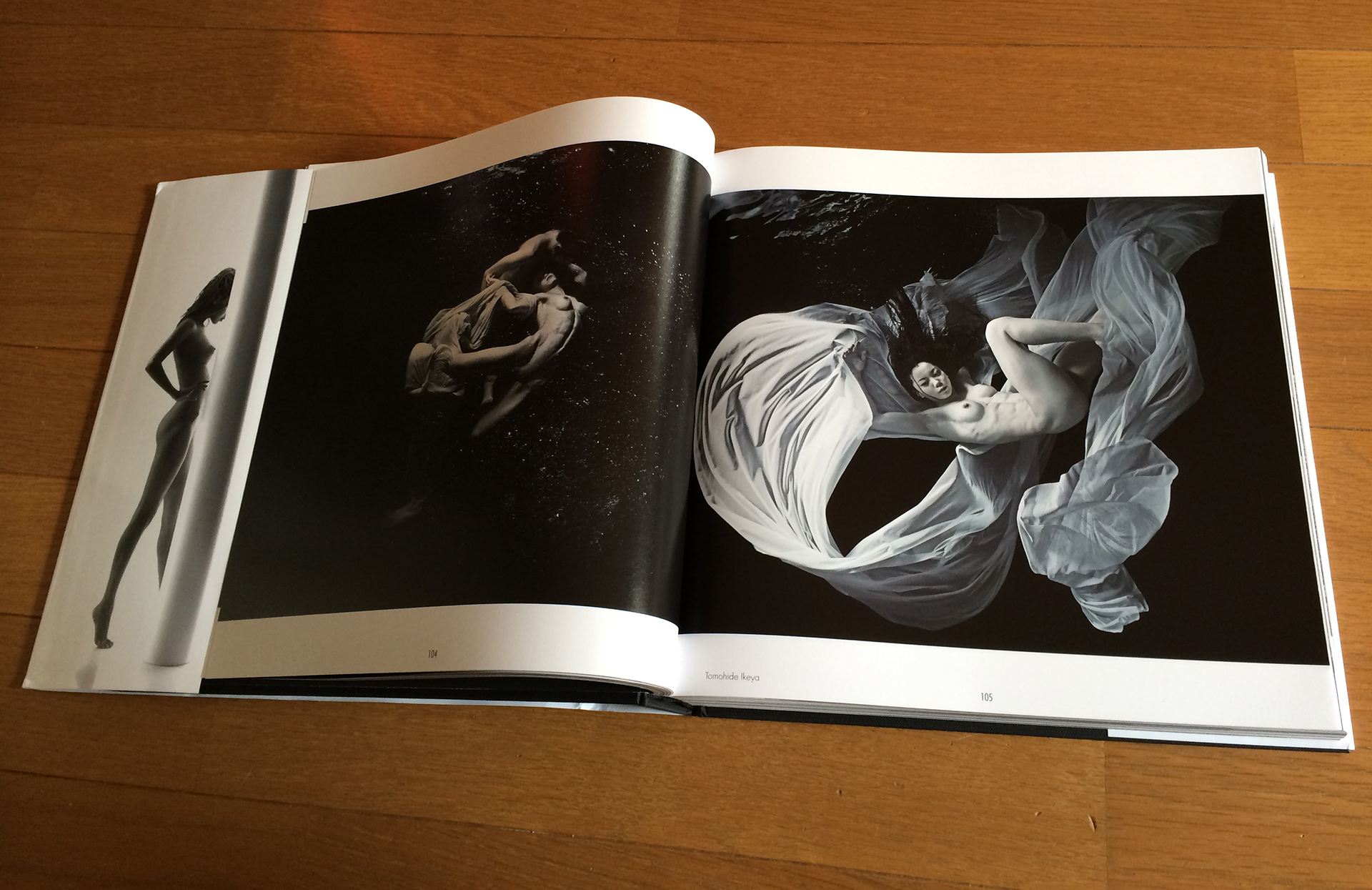
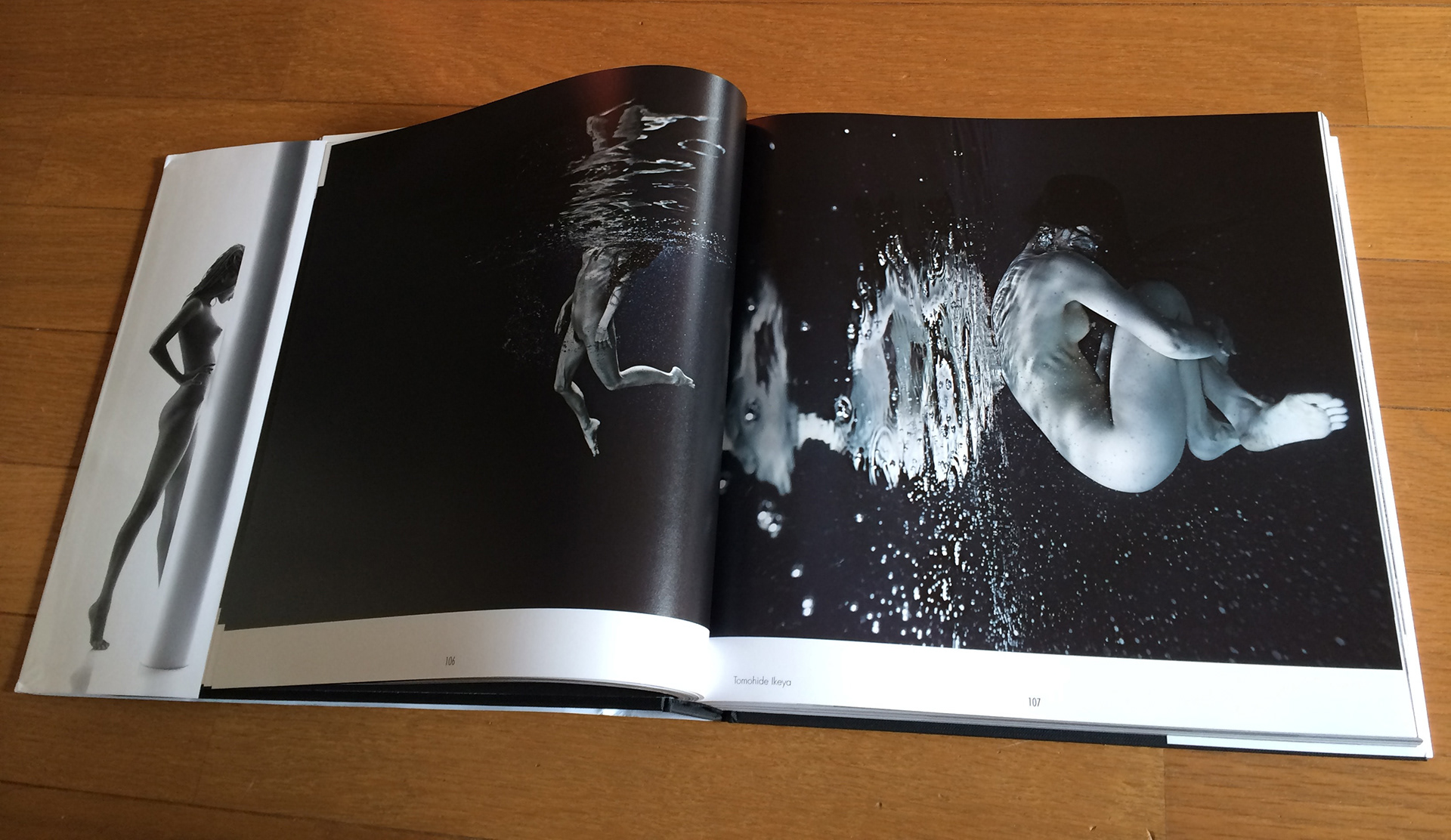
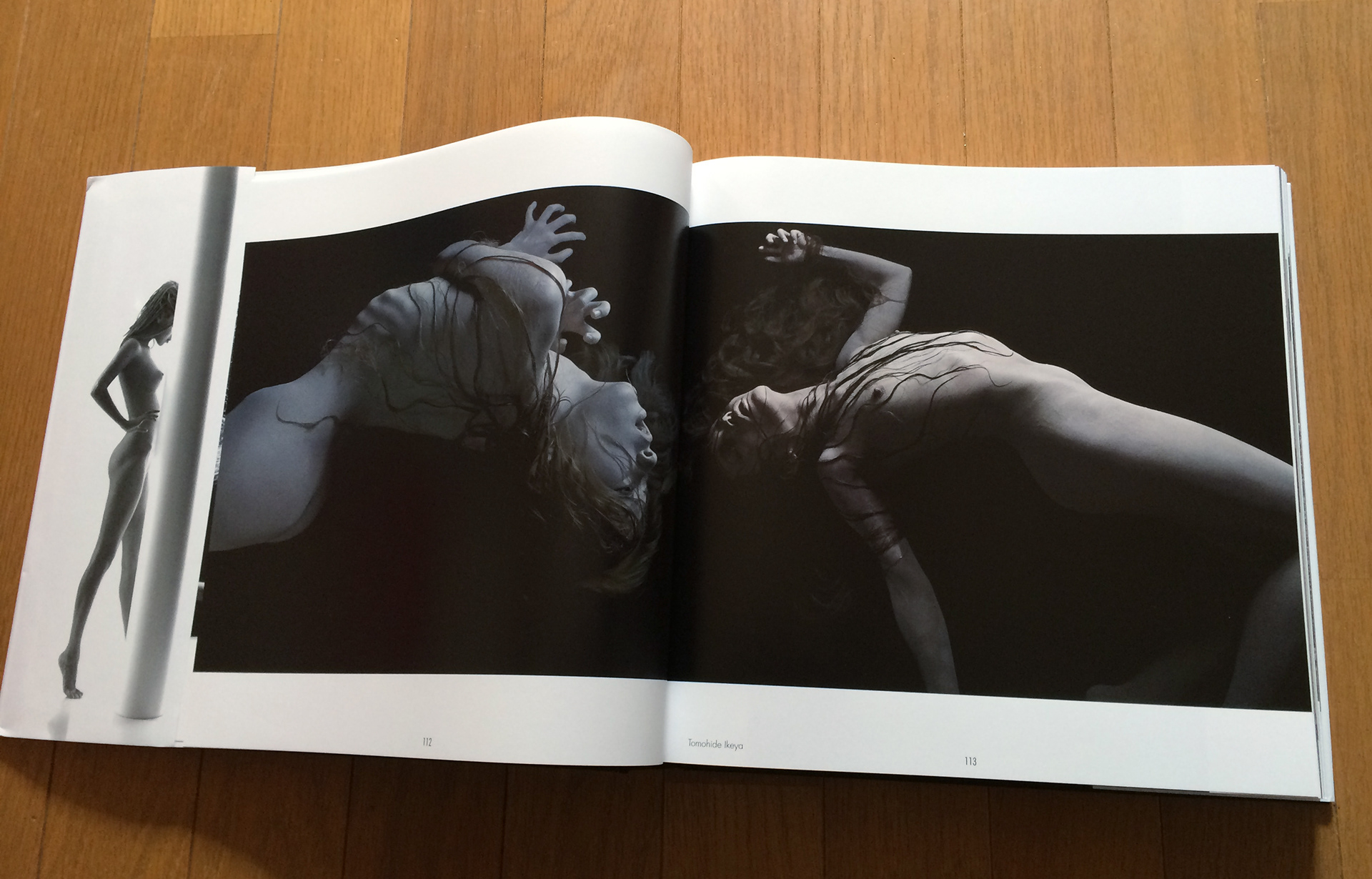
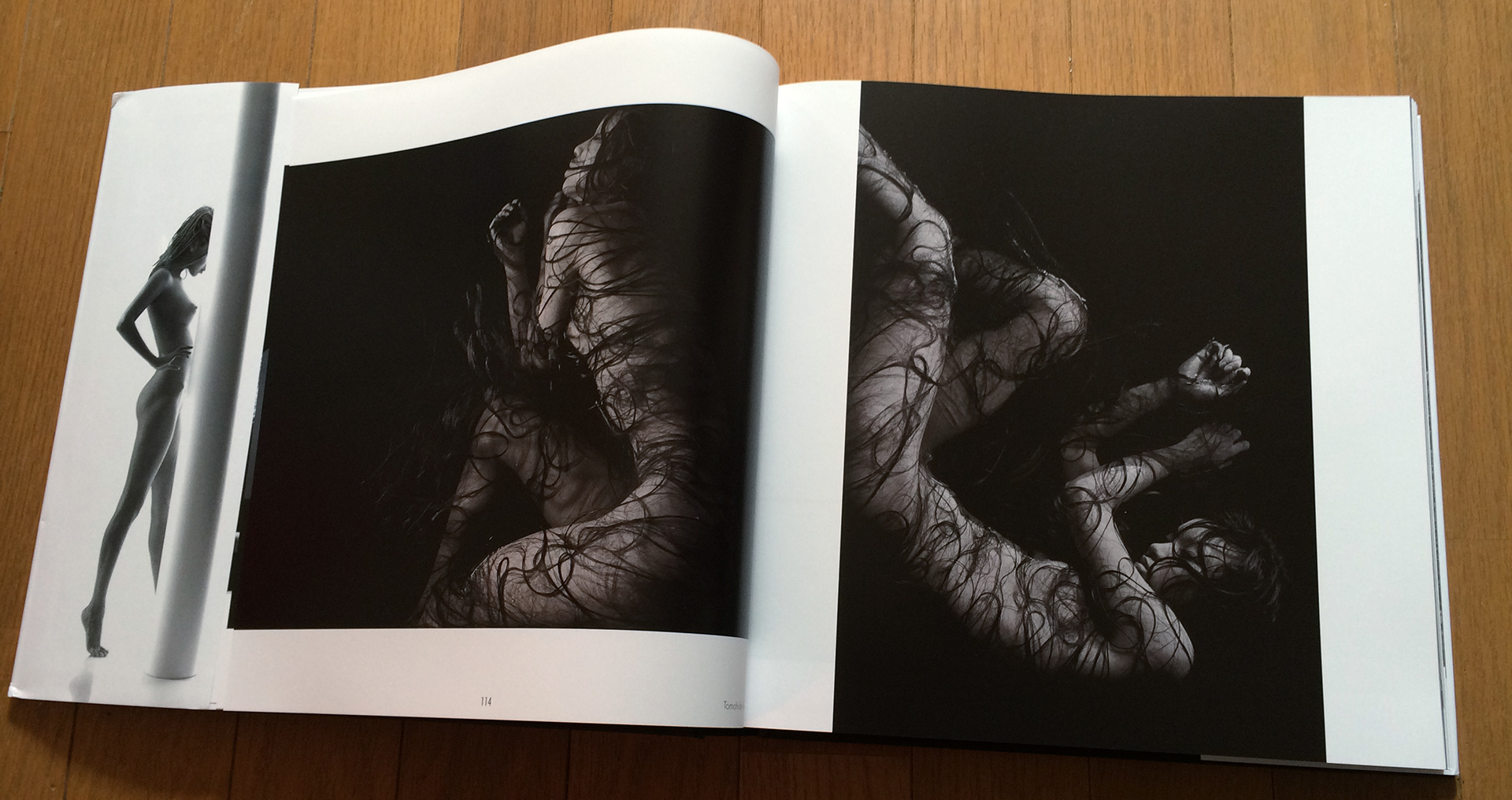
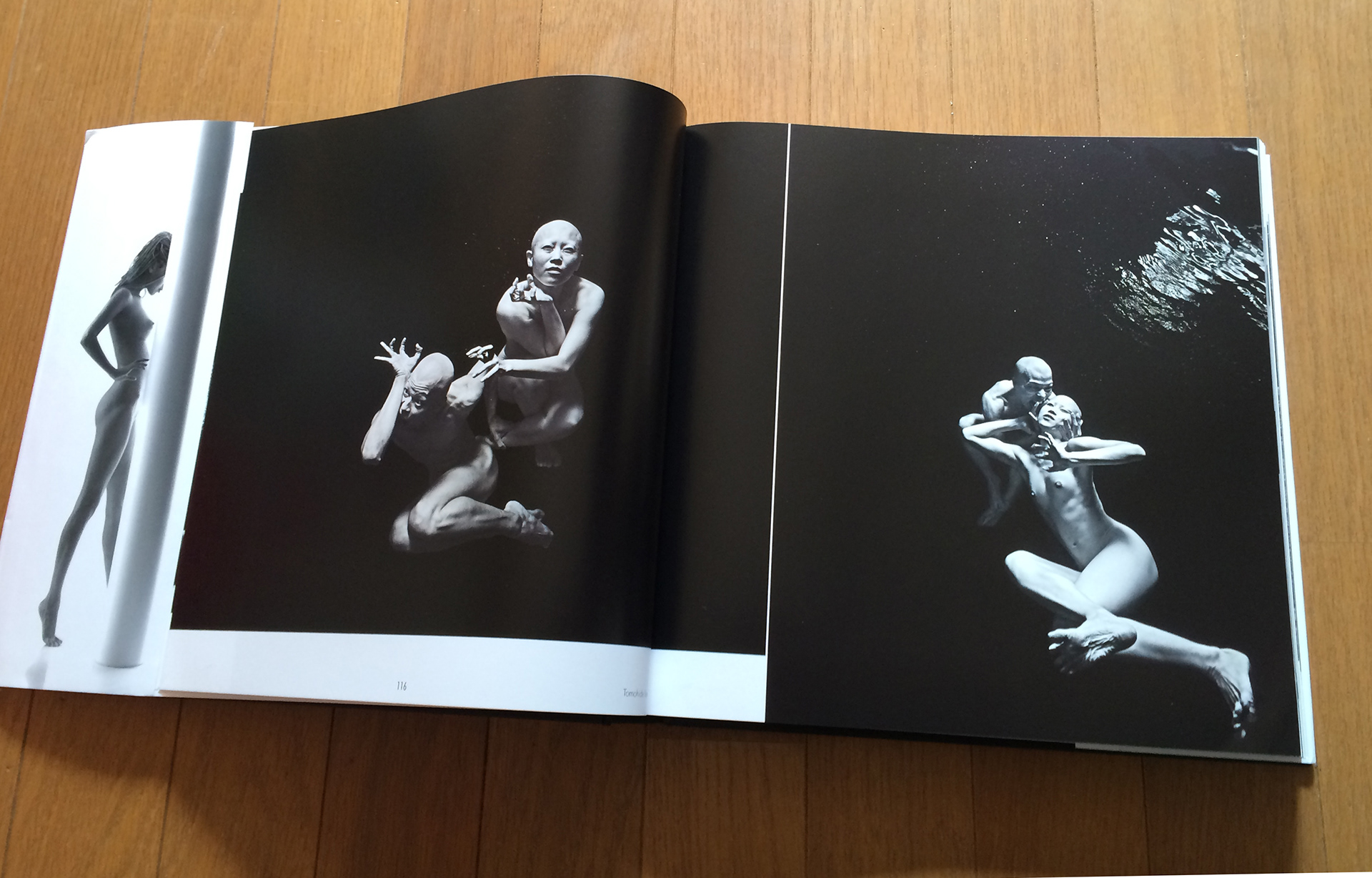
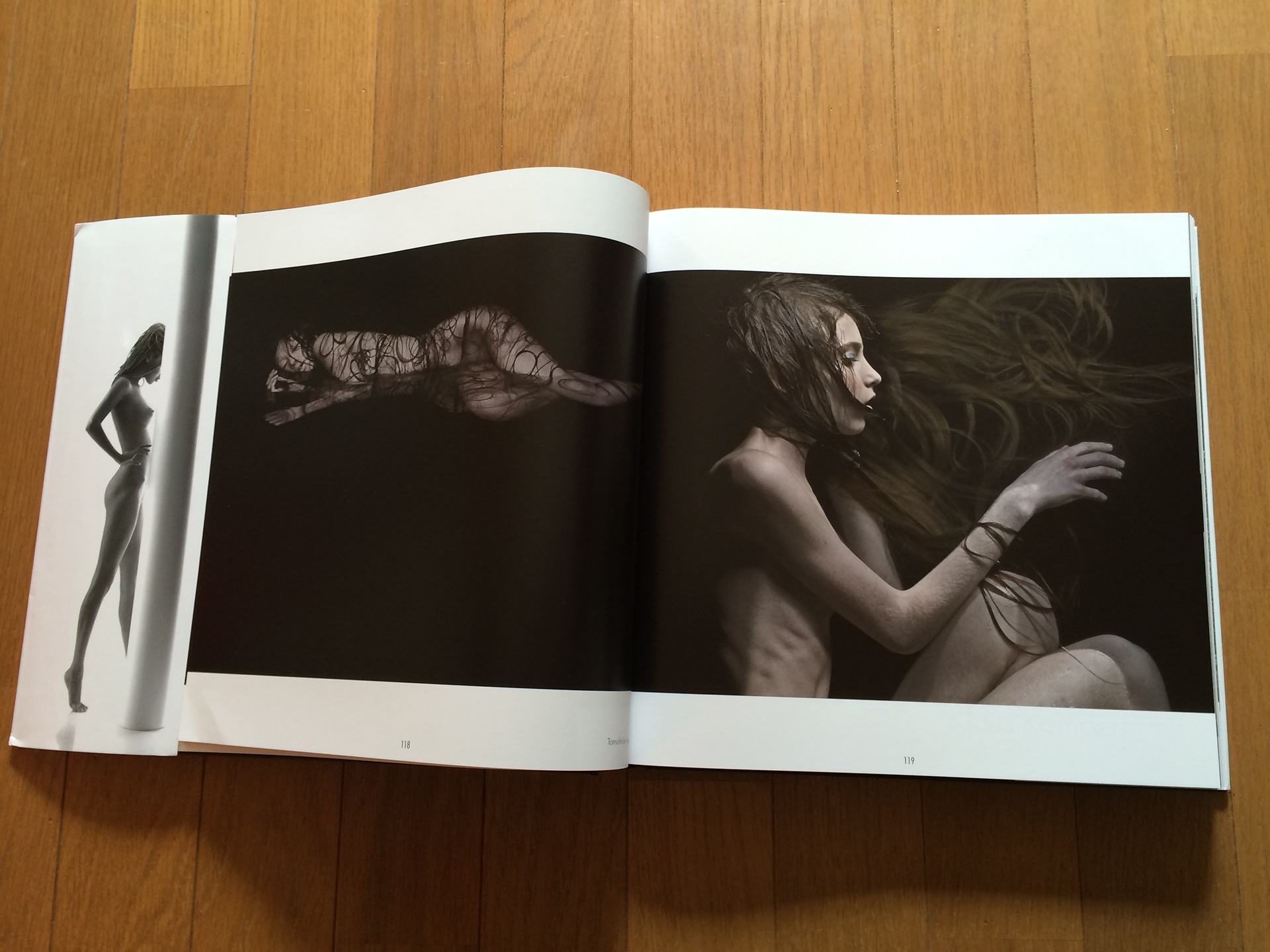
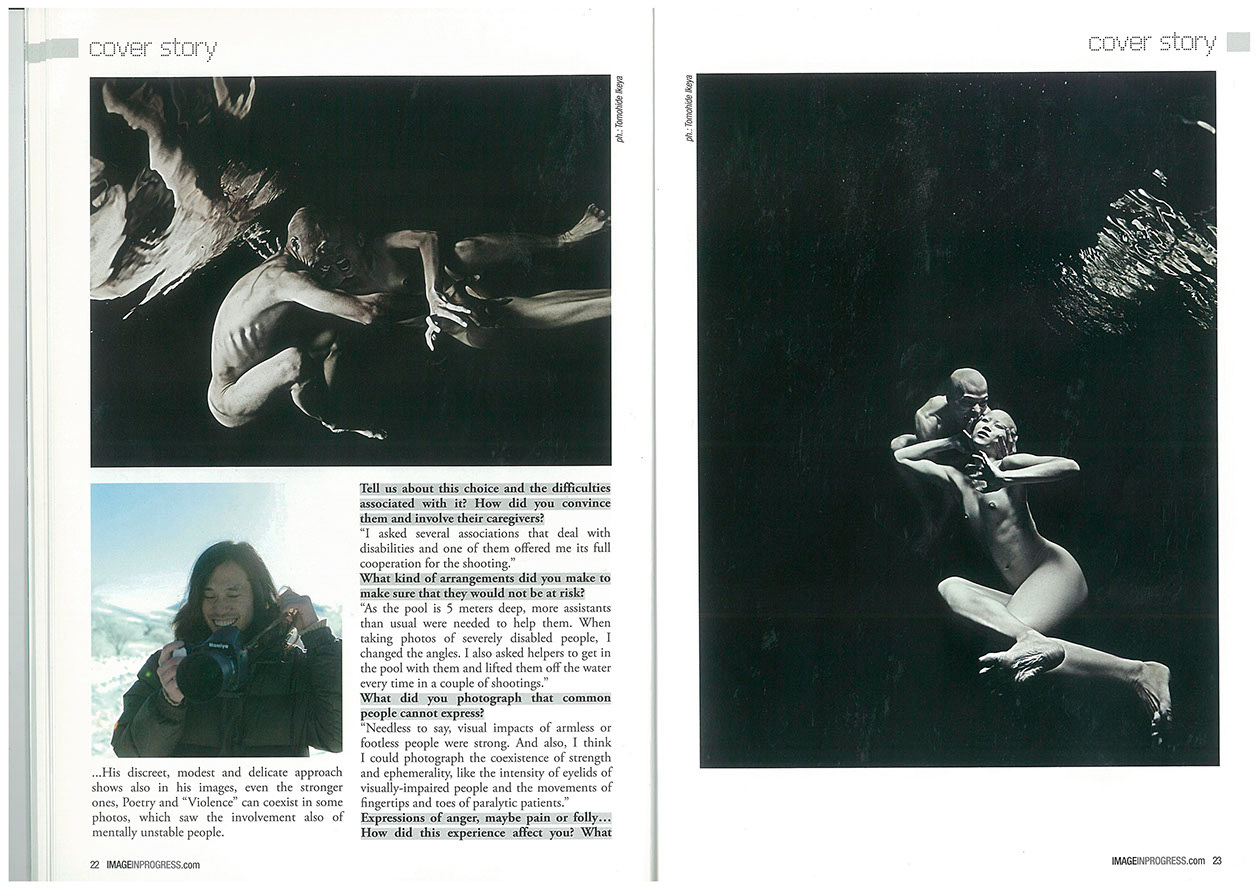
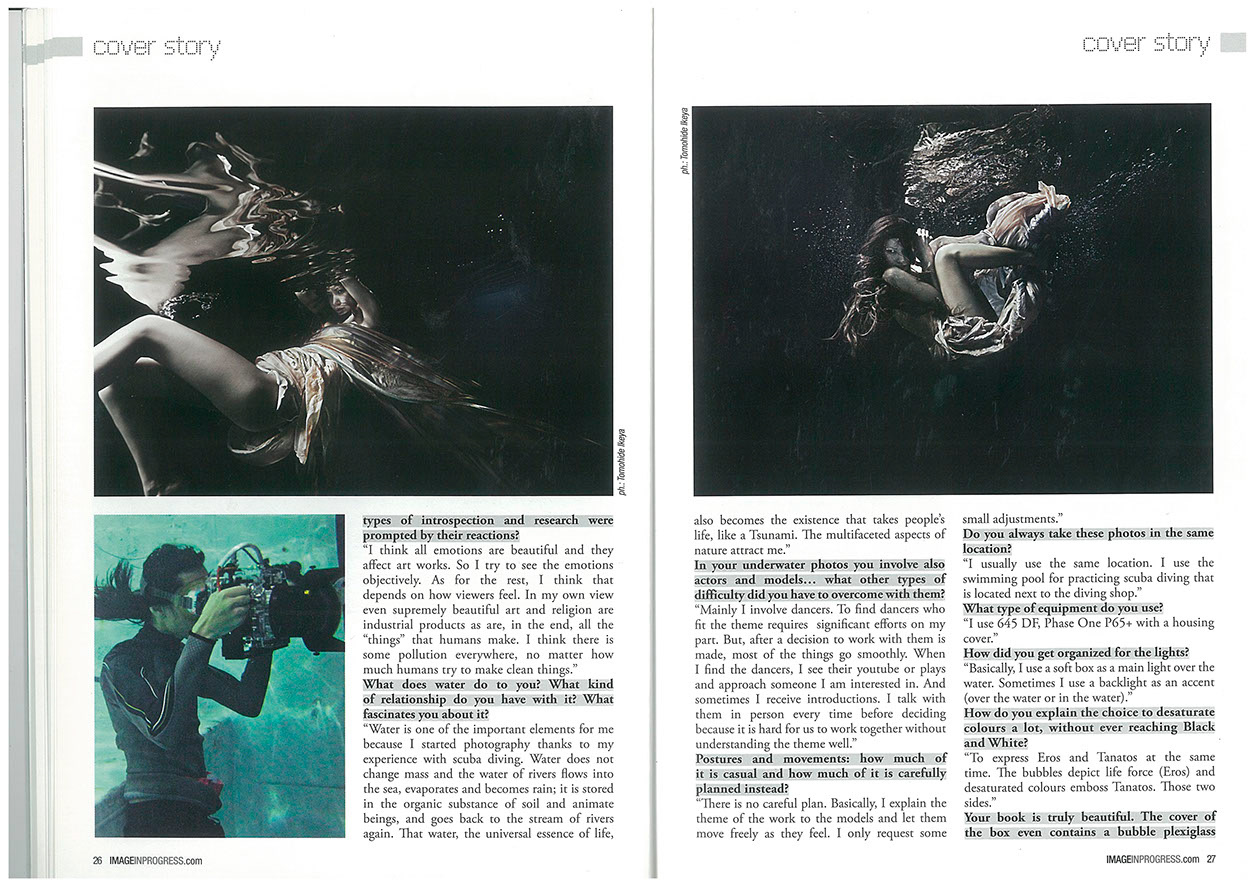
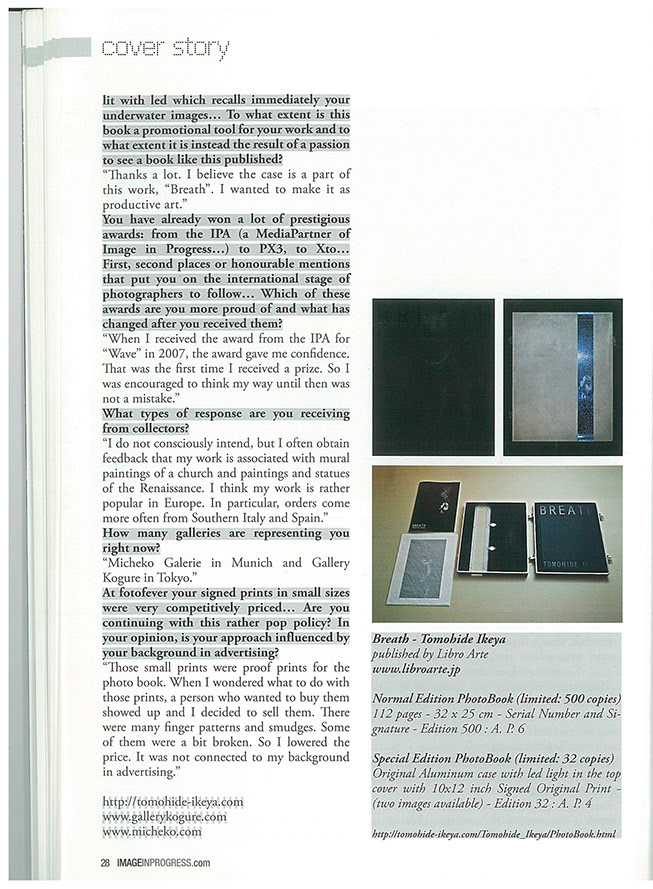
By Ann Catherine In his series BREATH, Tomohide Ikeya asks the question, “What is the power of life?” Inside of a large, water-filled tank, he explores the theme of life force. Looking beyond the scientific, Ikeya explores the vital power exuded from human beings, giving power to life. To accomplish this effect, Ikeya would dive into a huge, black-backdropped tank, with a waterproof case around his camera, and take pictures with his models. Among these models are the dancer Mimoza Koike, of the Monte Carlo Ballet Company, and free-diver Ryuzo Shinomiya. They were also accompanied by contemporary dancers, as well as people who were missing limbs, paralyzed, or blind all worthy and capable, Ikeya contends, of producing life force. By including models who are not able-bodied, Ikeya endeavors to represent a wider cross section of society.
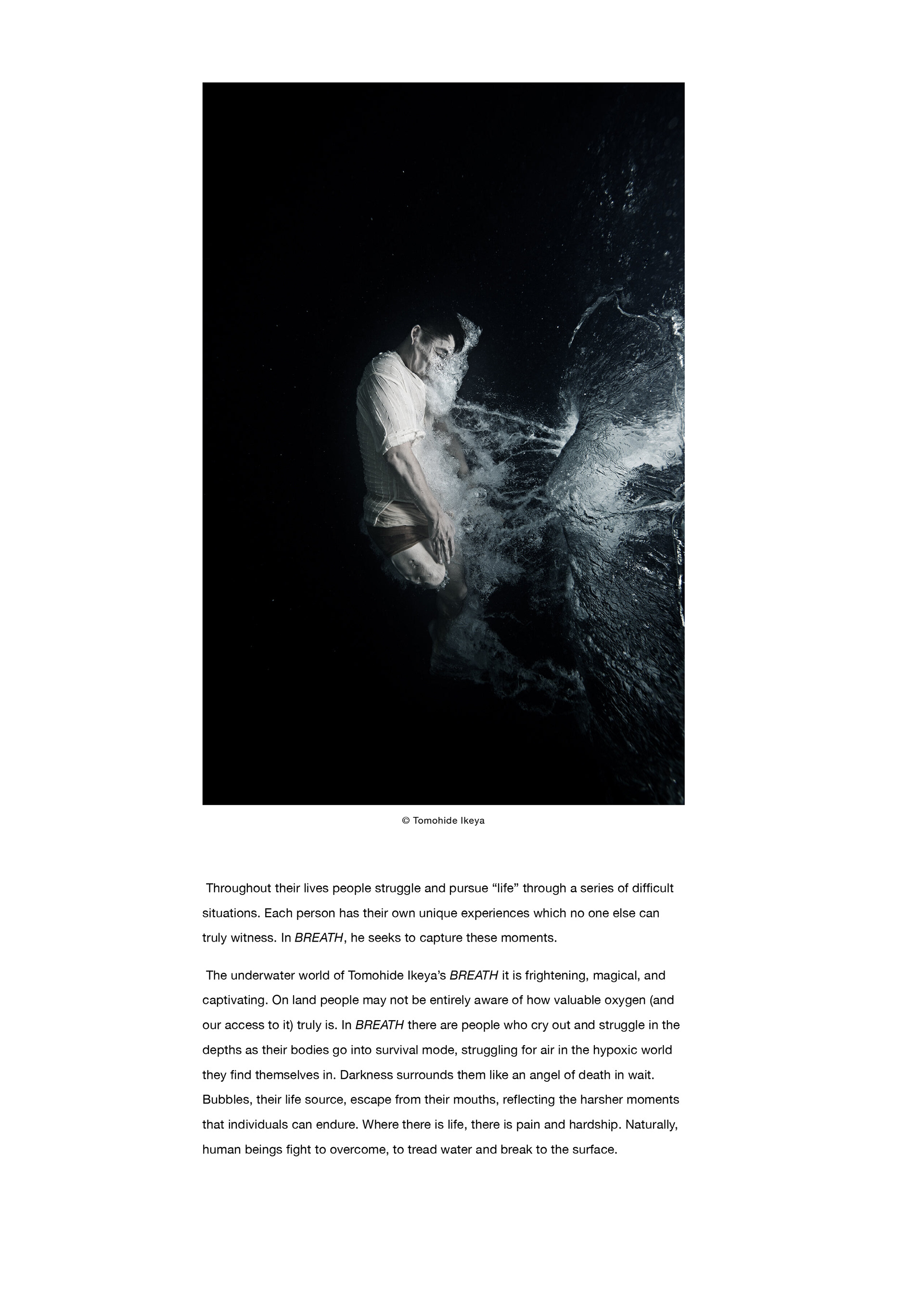
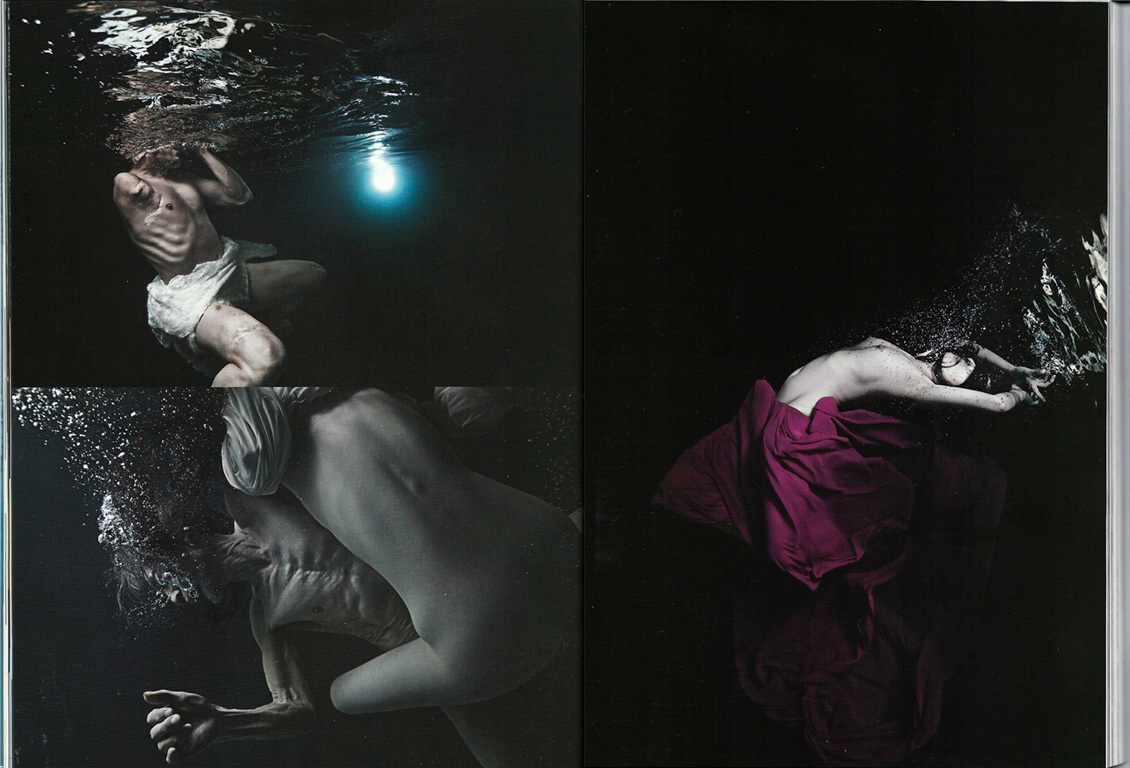
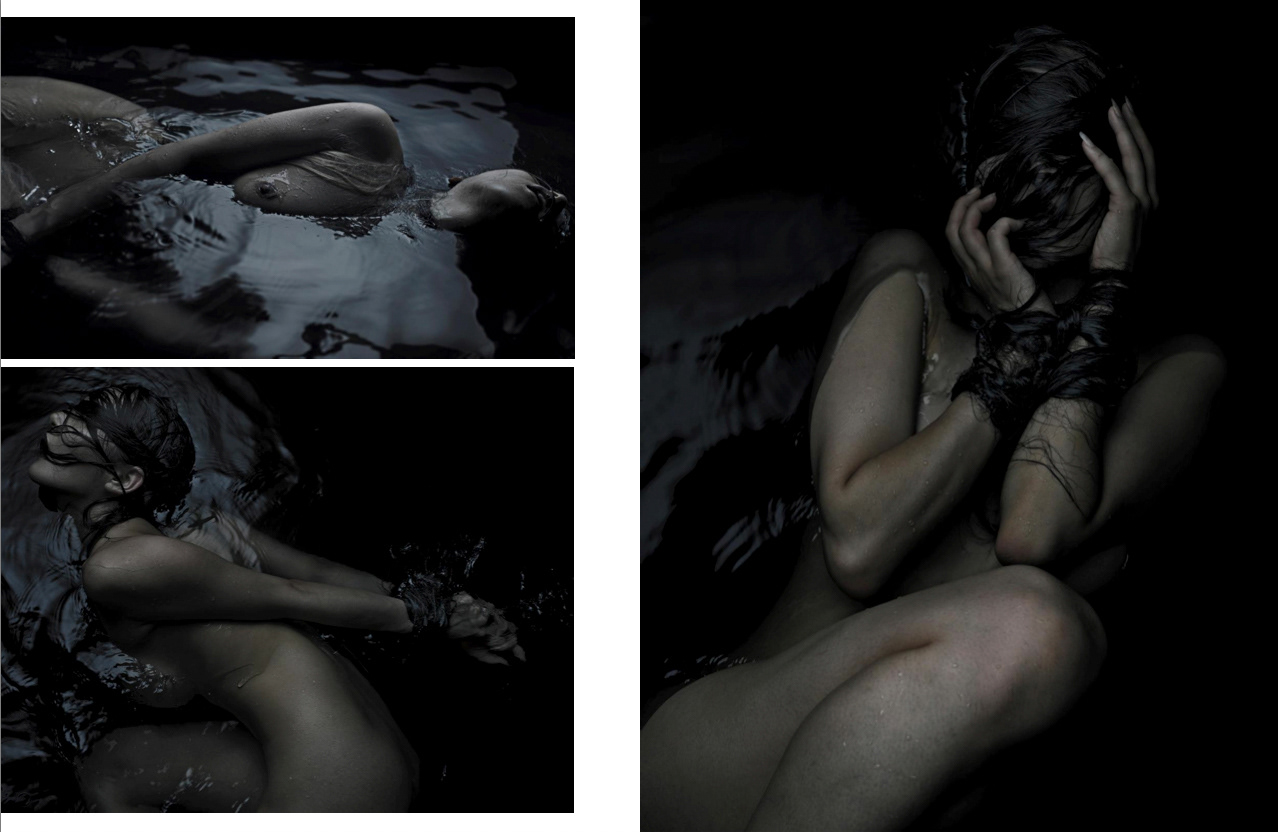
Throughout their lives people struggle and pursue “life” through a series of difficult situations. Each person has their own unique experiences which no one else can truly witness. In BREATH, he seeks to capture these moments. The underwater world of Tomohide Ikeya’s BREATH it is frightening, magical, and captivating. On land people may not be entirely aware of how valuable oxygen (and our access to it) truly is. In BREATH there are people who cry out and struggle in the depths as their bodies go into survival mode, struggling for air in the hypoxic world they find themselves in. Darkness surrounds them like an angel of death in wait. Bubbles, their life source, escape from their mouths, reflecting the harsher moments that individuals can endure. Where there is life, there is pain and hardship. Naturally, human beings fight to overcome, to tread water and break to the surface.
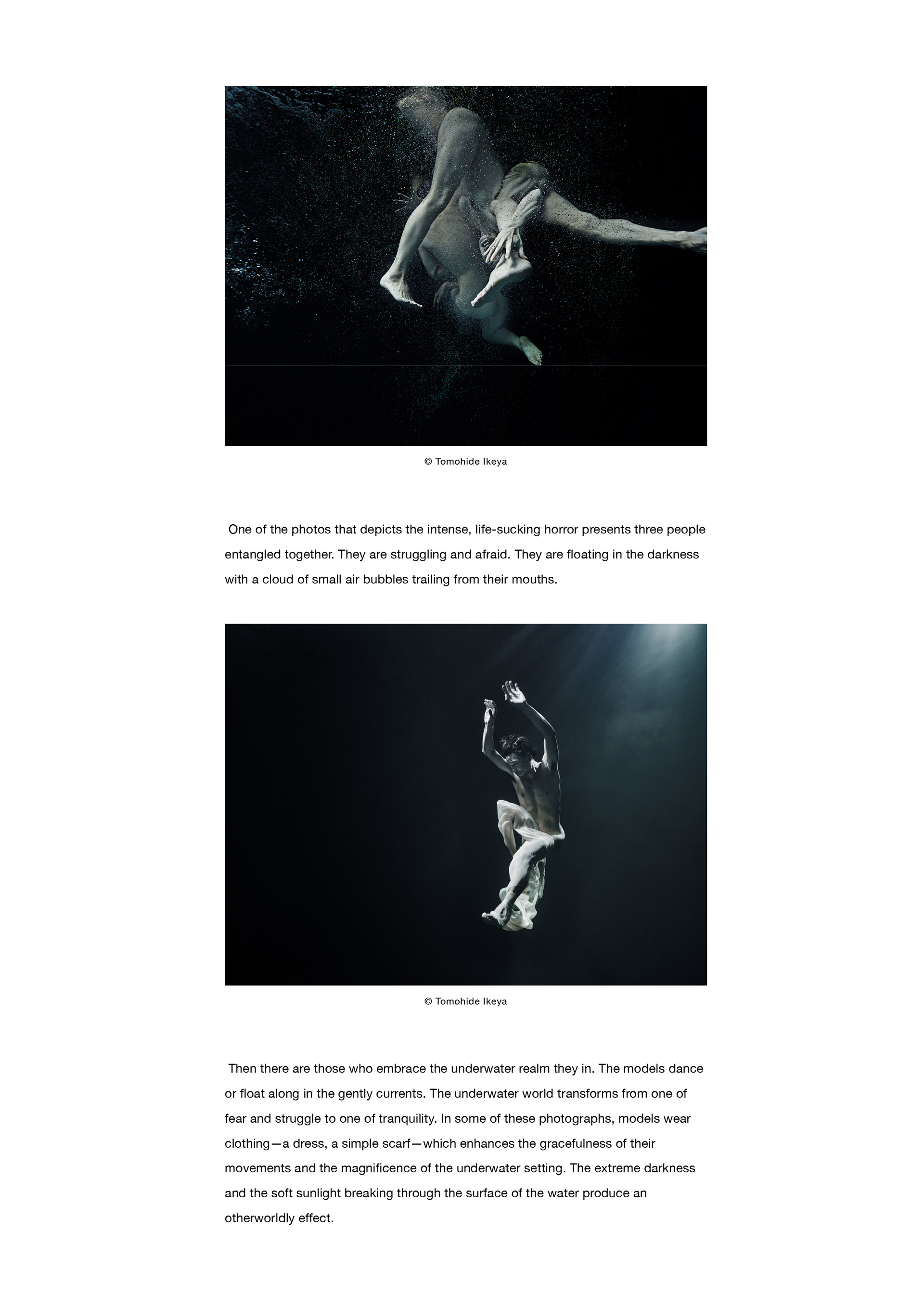
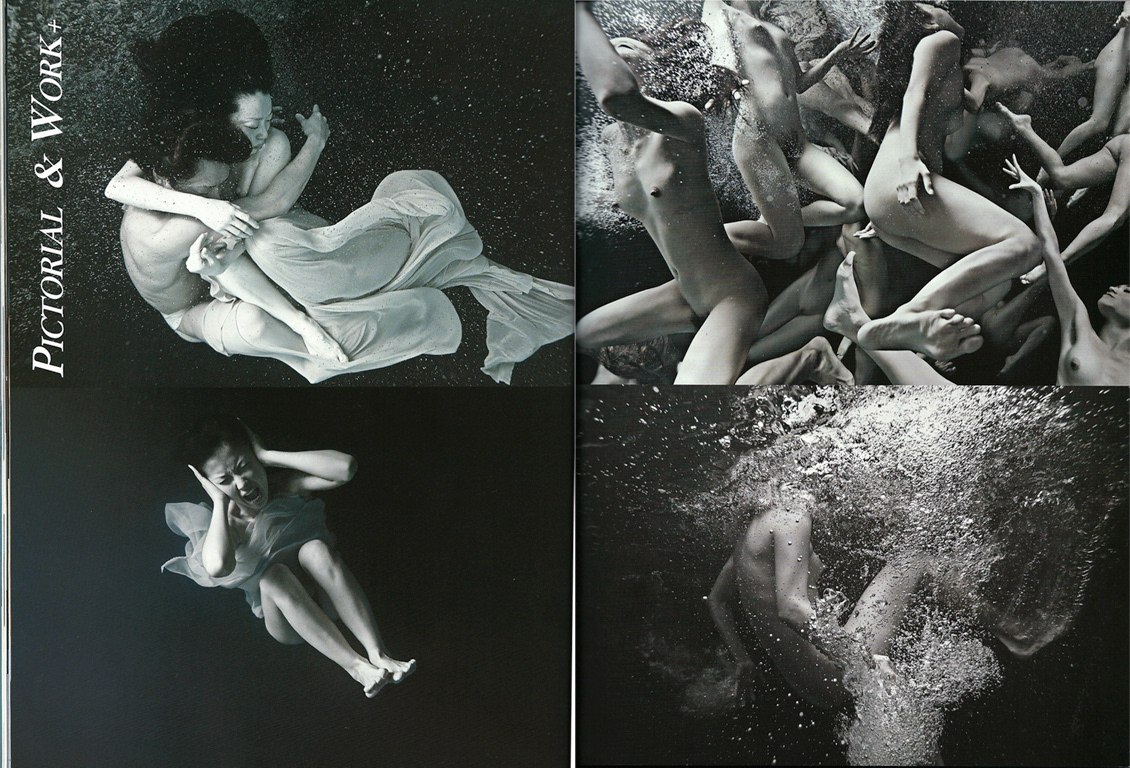
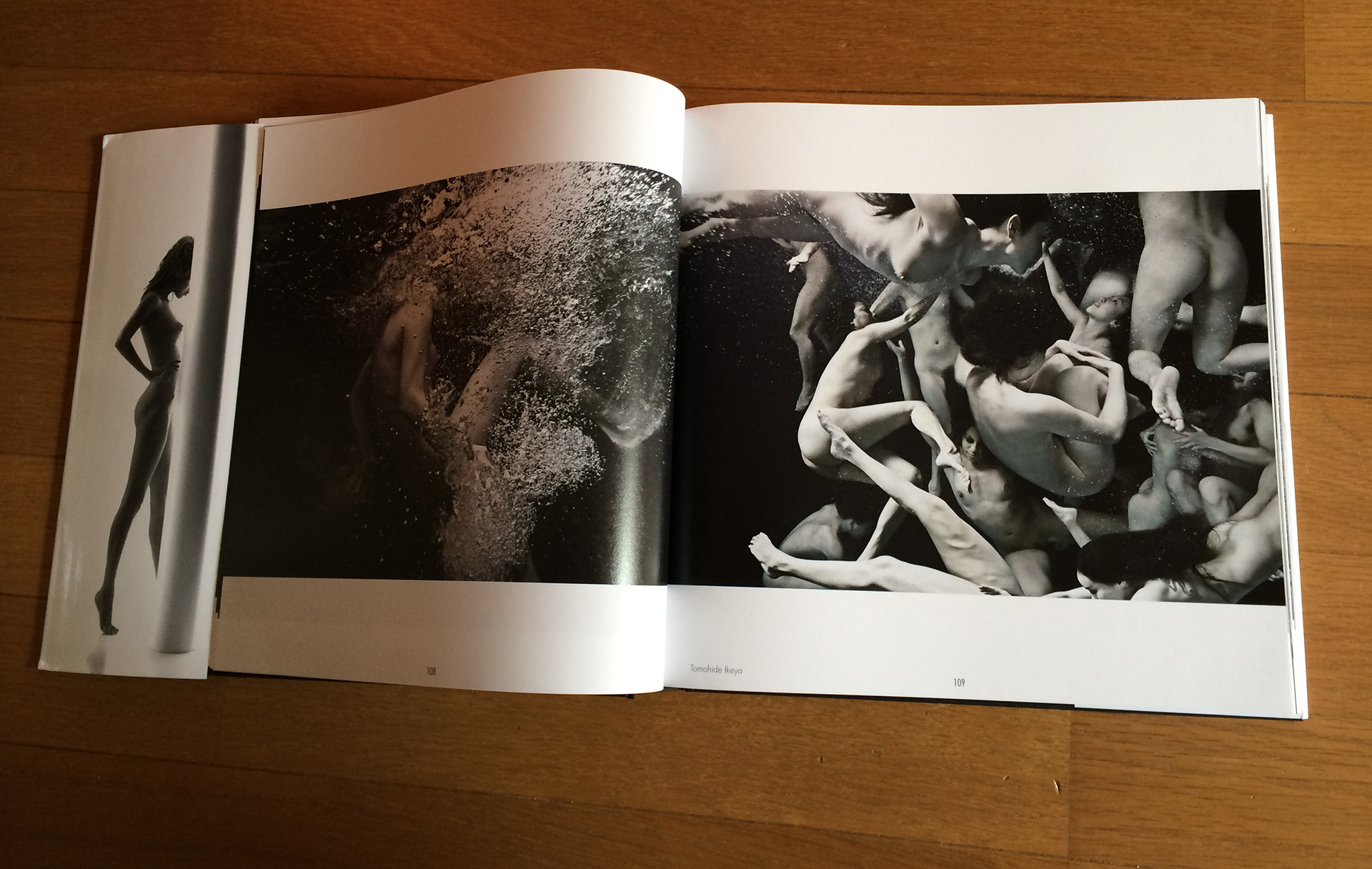
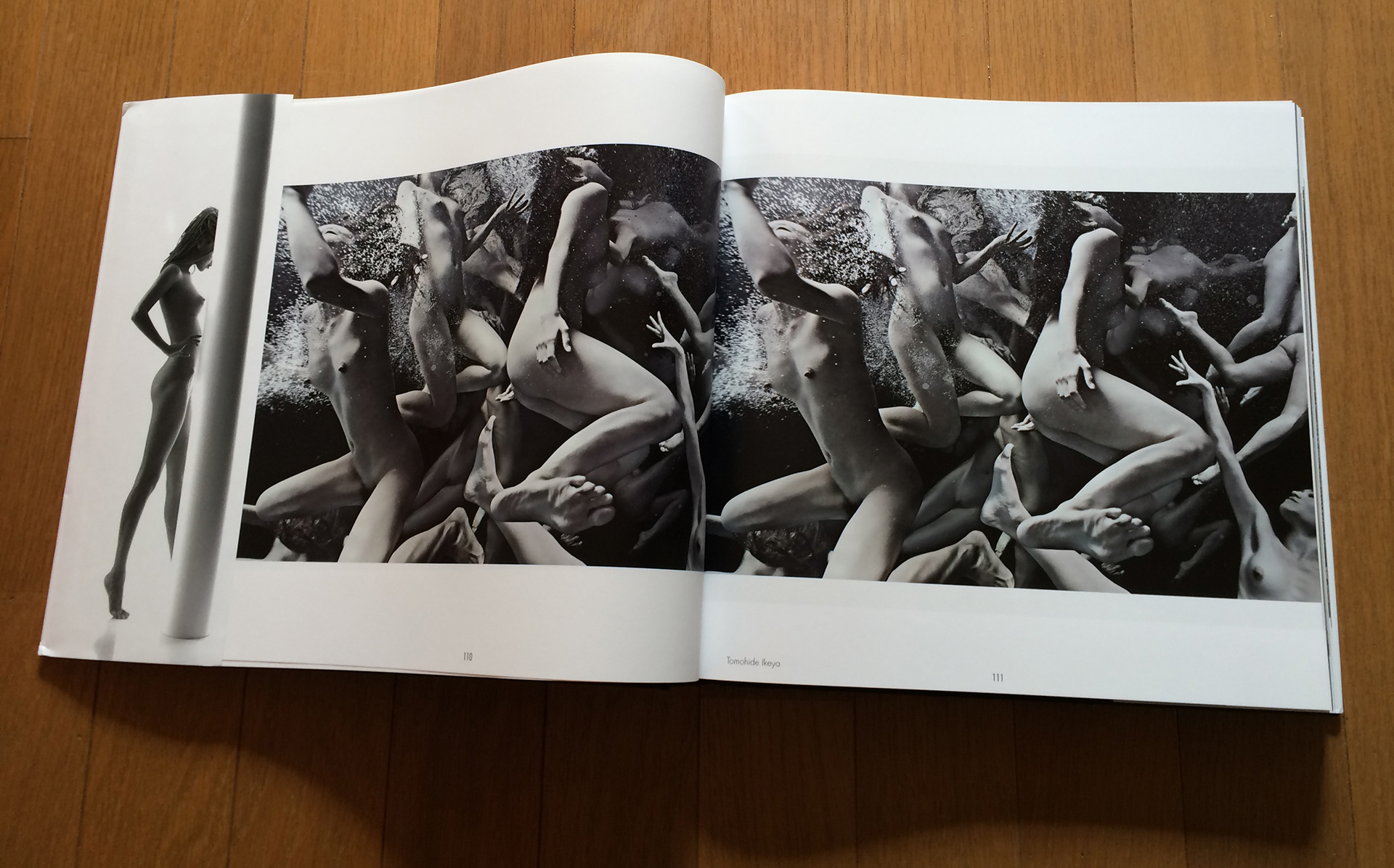
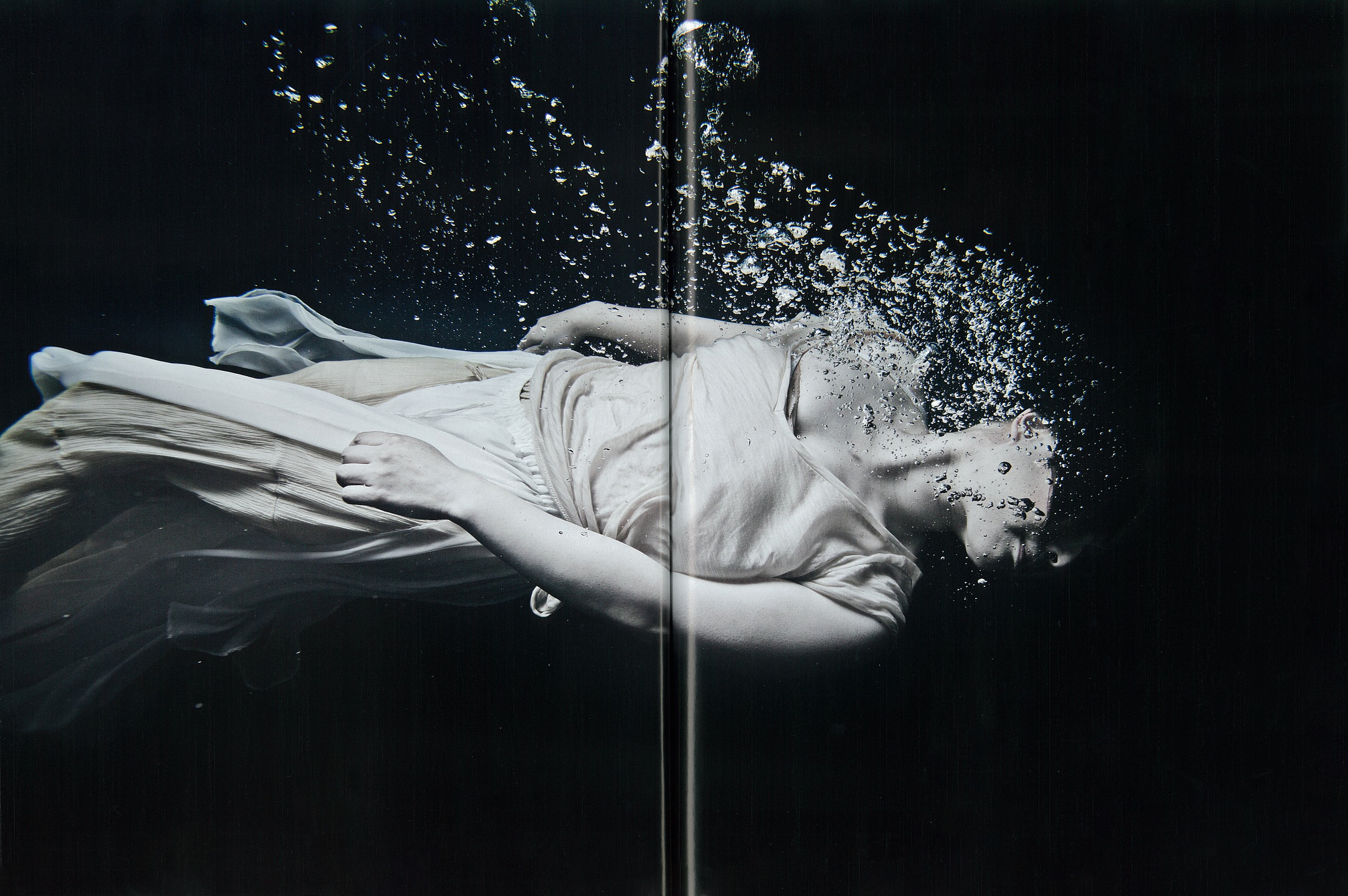
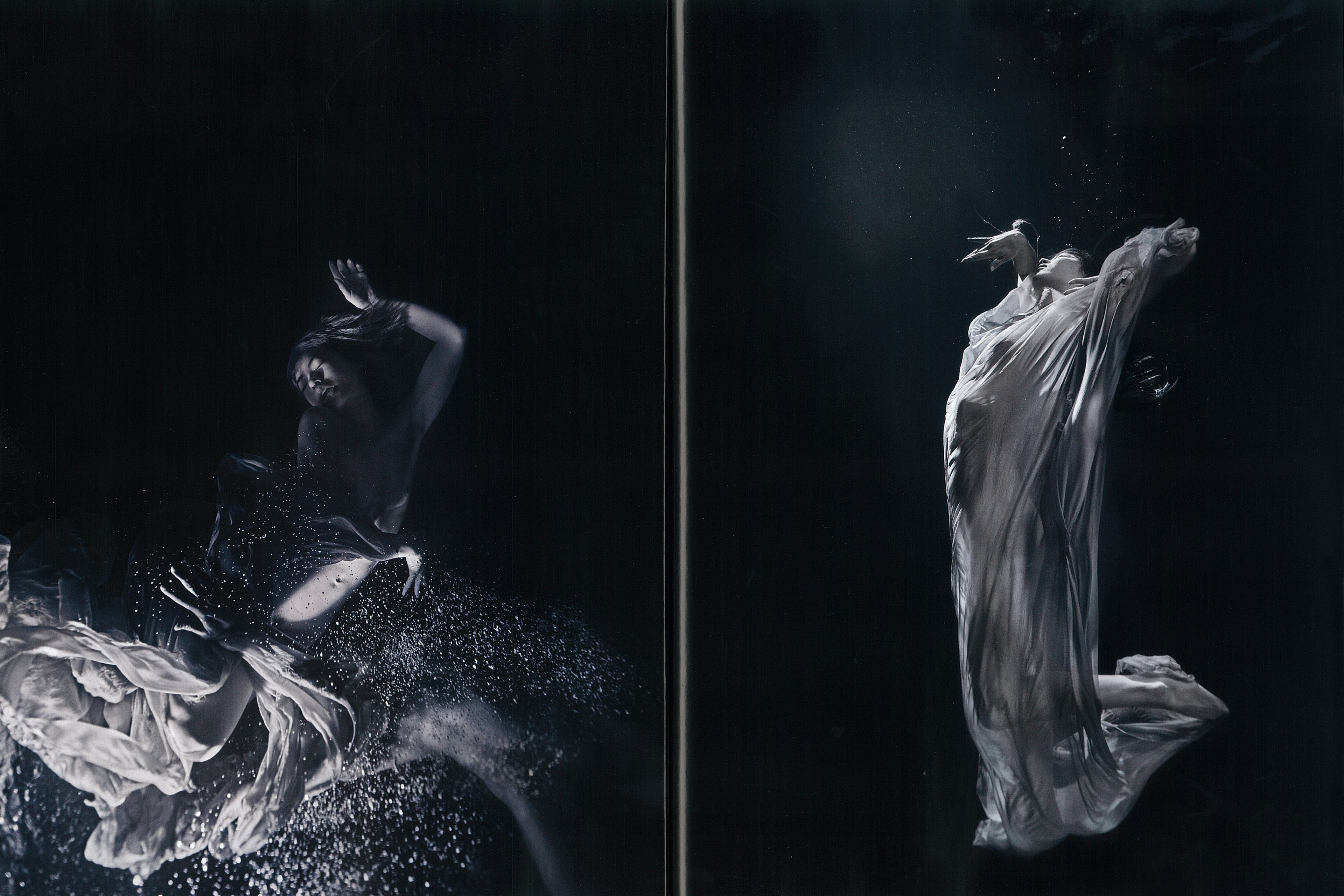
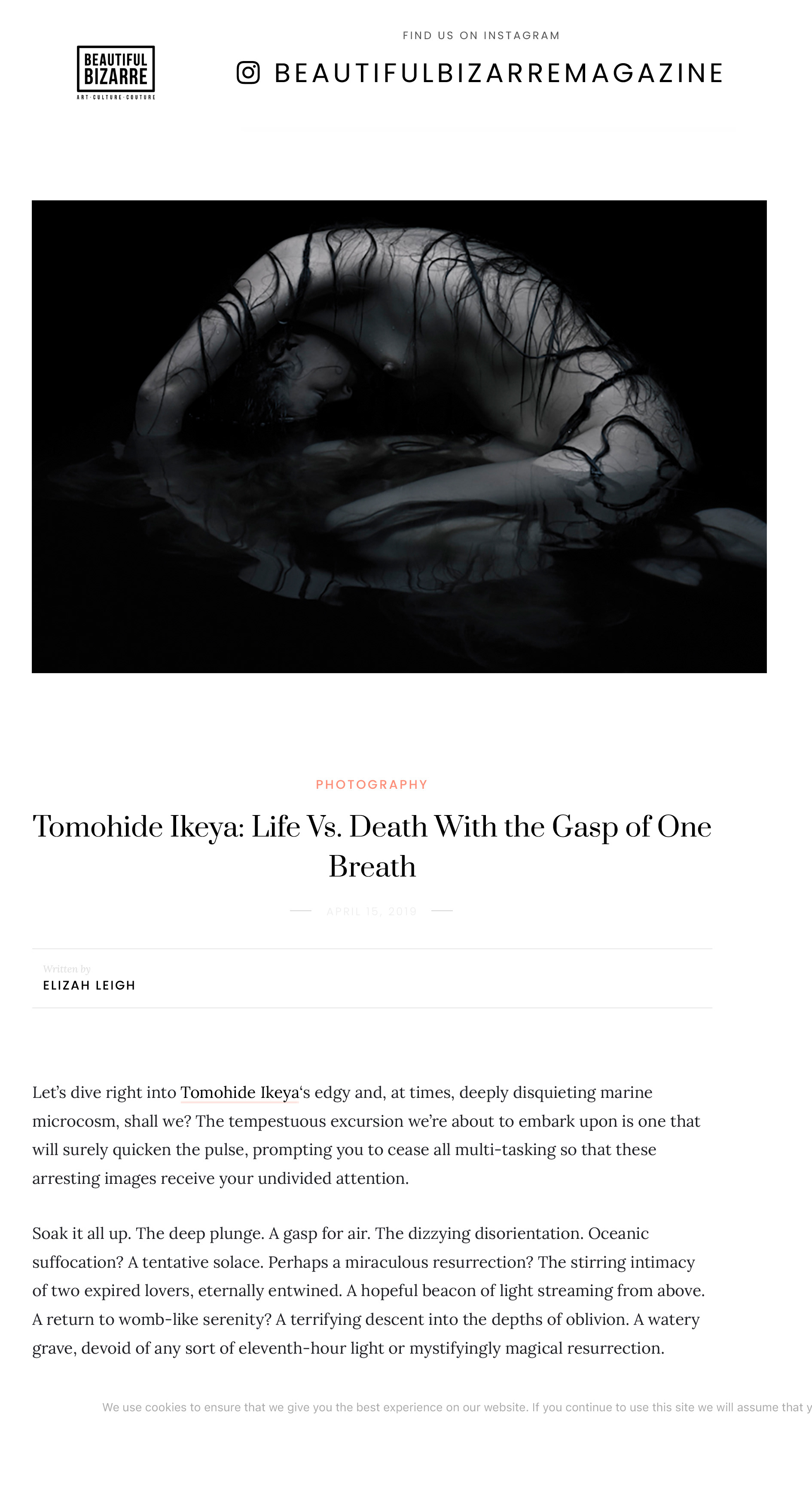
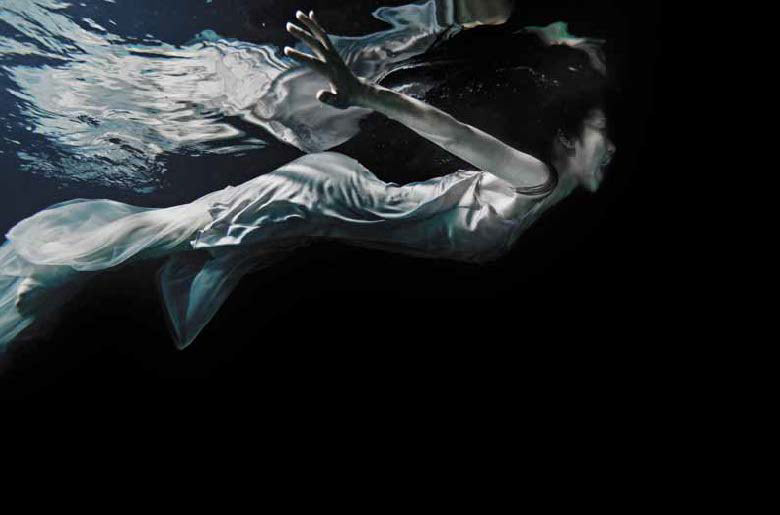
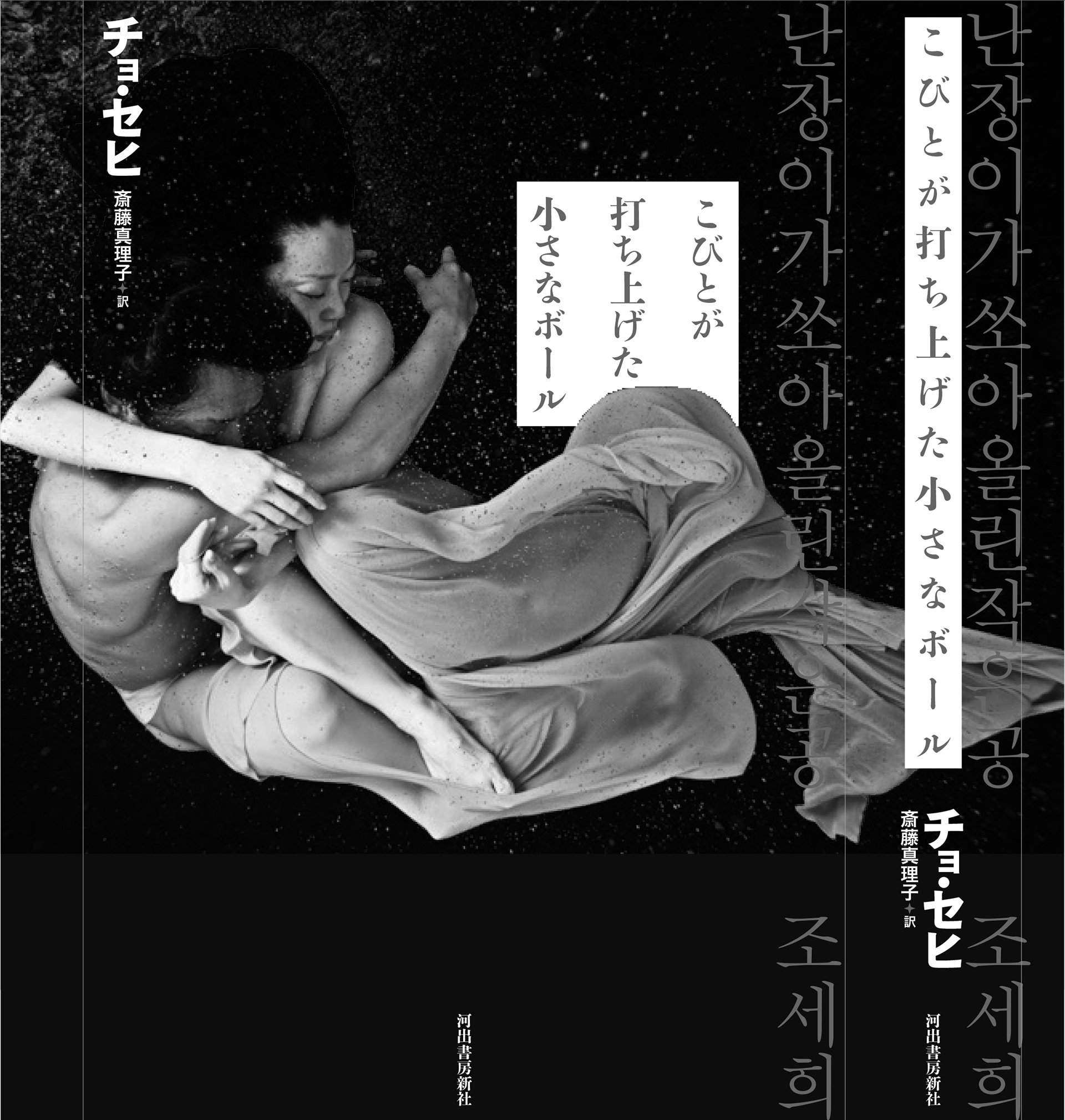
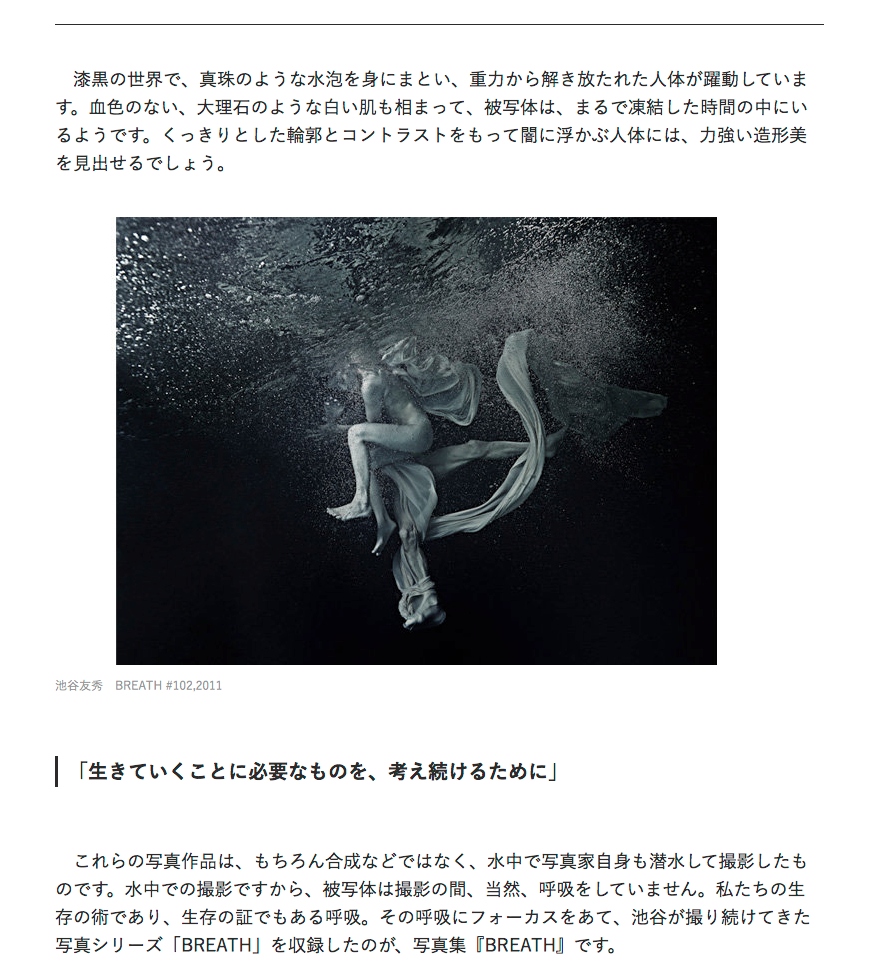
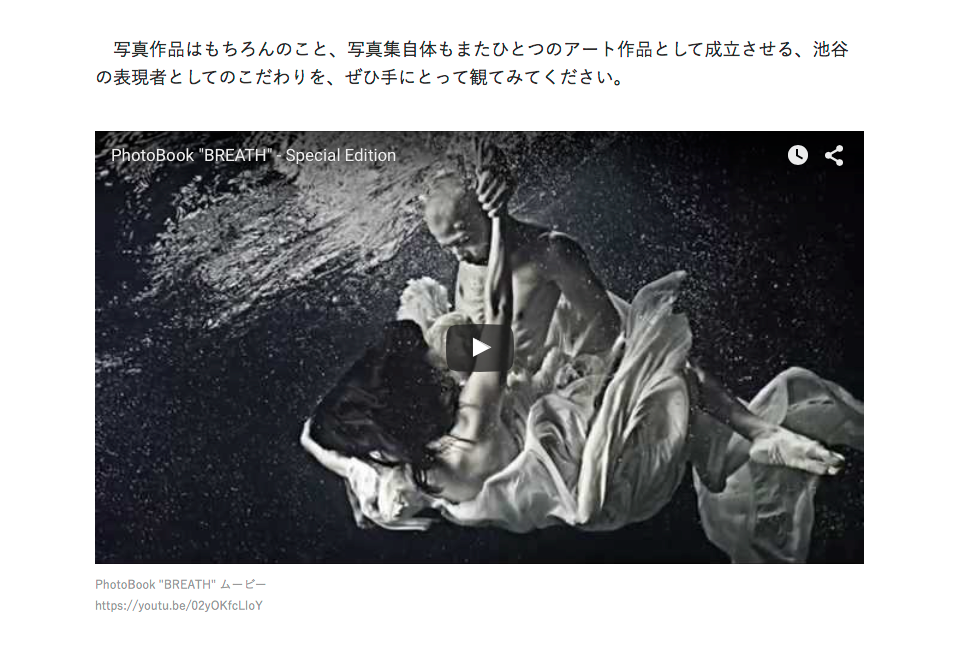
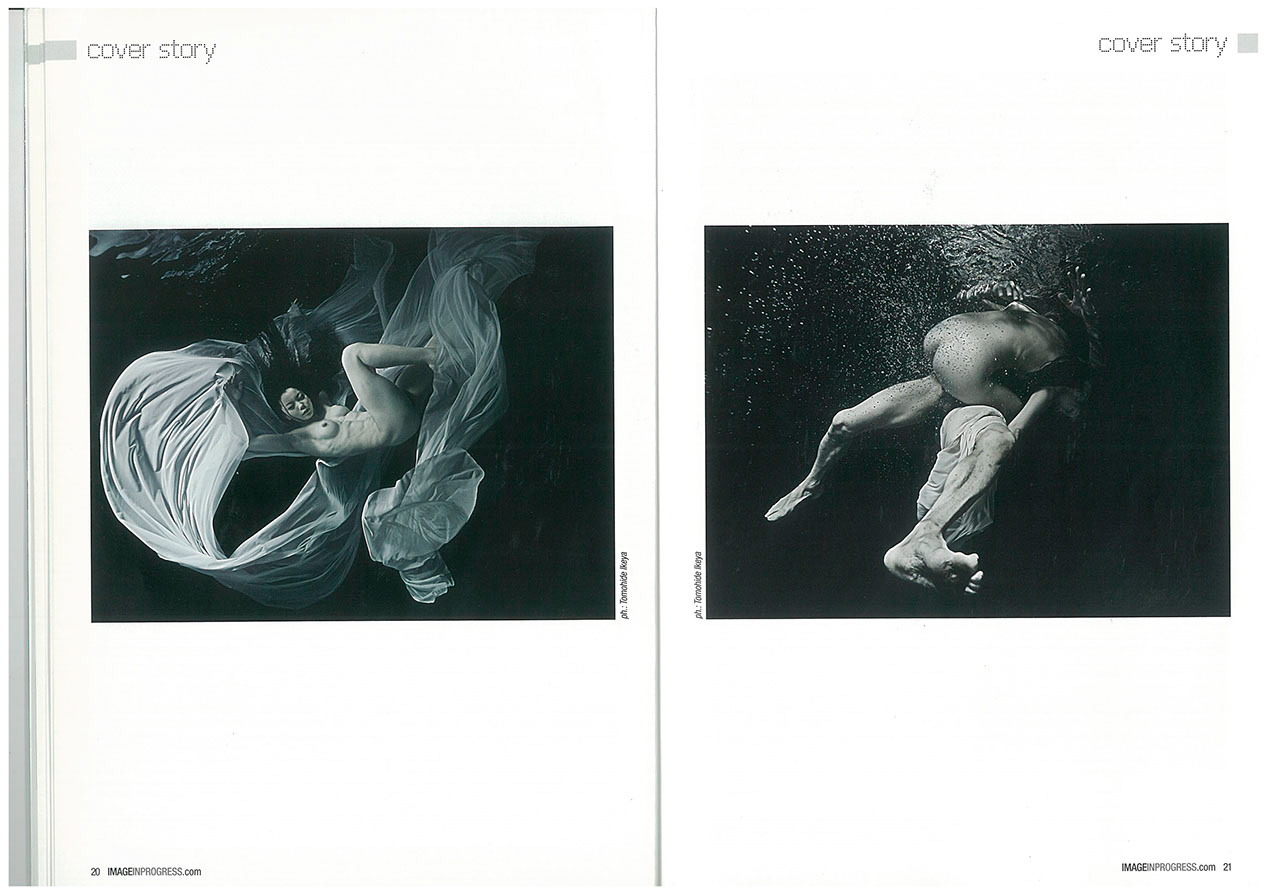
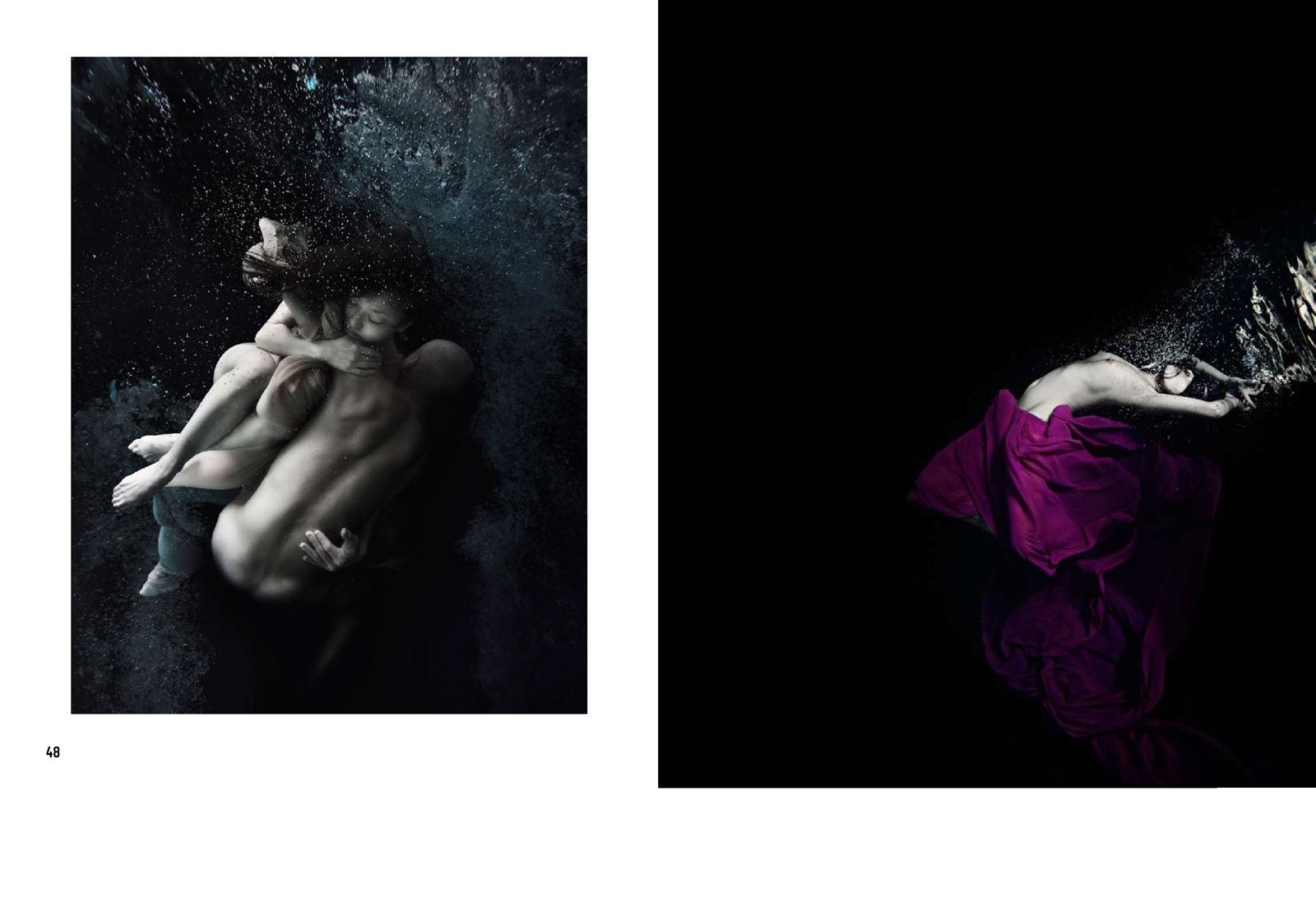
One of the photos that depicts the intense, life-sucking horror presents three people entangled together. They are struggling and afraid. They are floating in the darkness with a cloud of small air bubbles trailing from their mouths. Then there are those who embrace the underwater realm they in. The models dance or float along in the gently currents. The underwater world transforms from one of fear and struggle to one of tranquility. In some of these photographs, models wear clothing—a dress, a simple scarf—which enhances the gracefulness of their movements and the magnificence of the underwater setting. The extreme darkness and the soft sunlight breaking through the surface of the water produce an otherworldly effect.

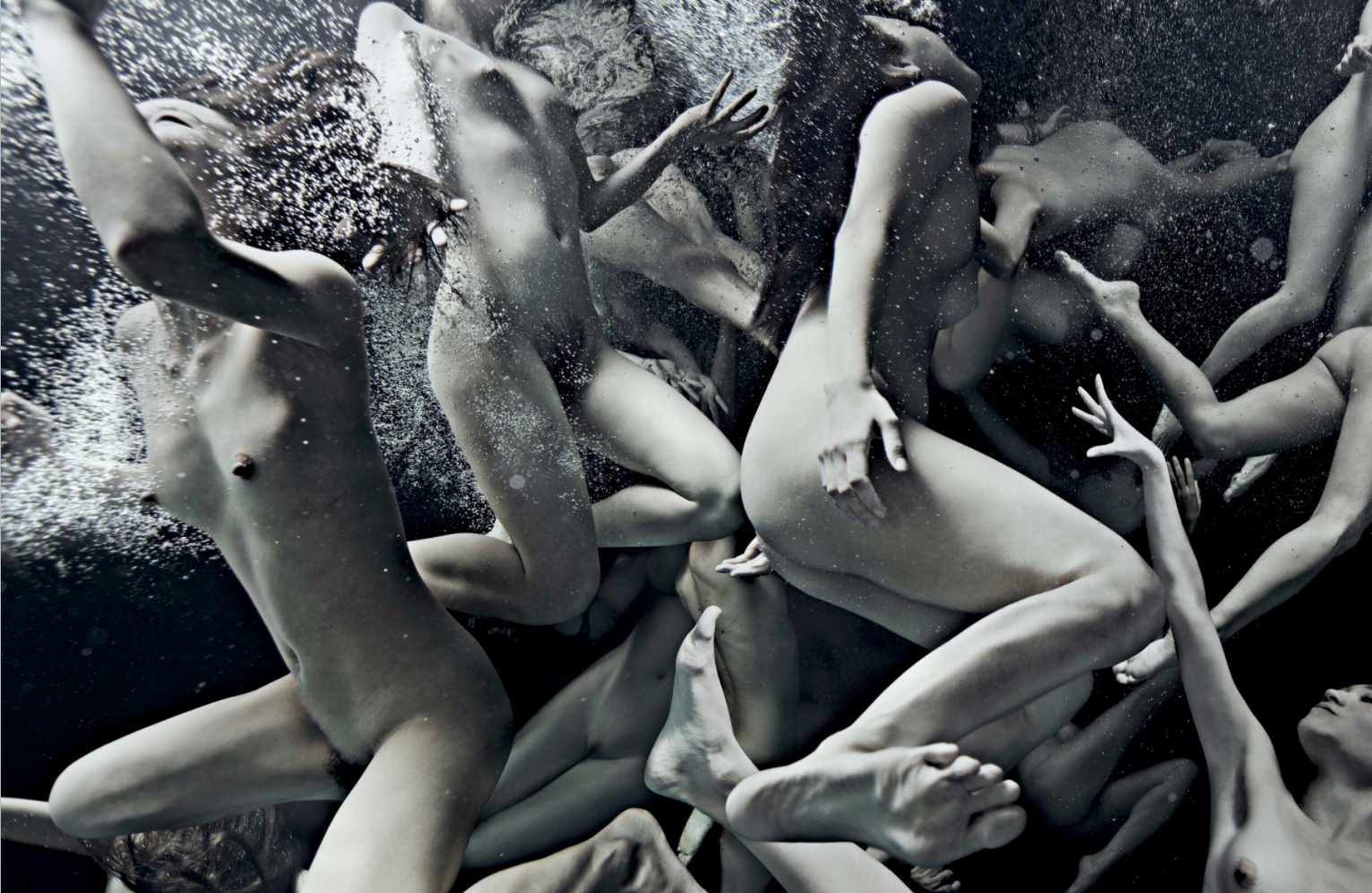
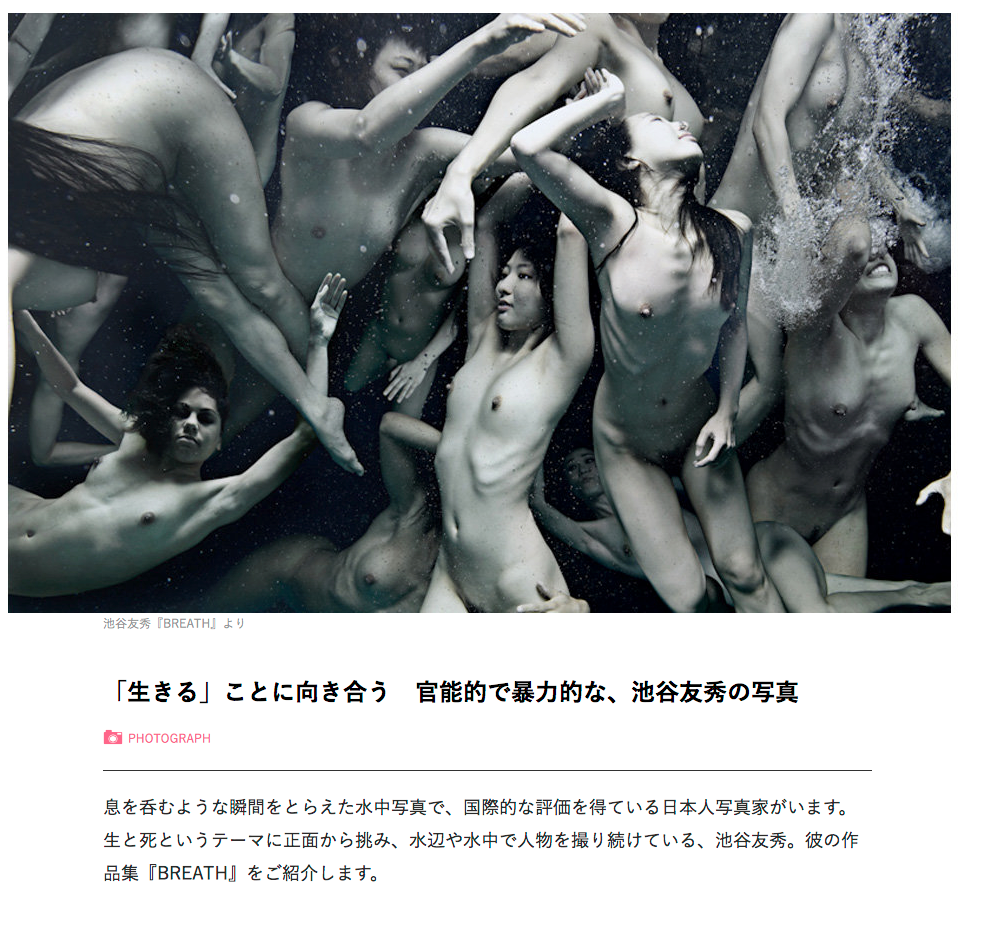
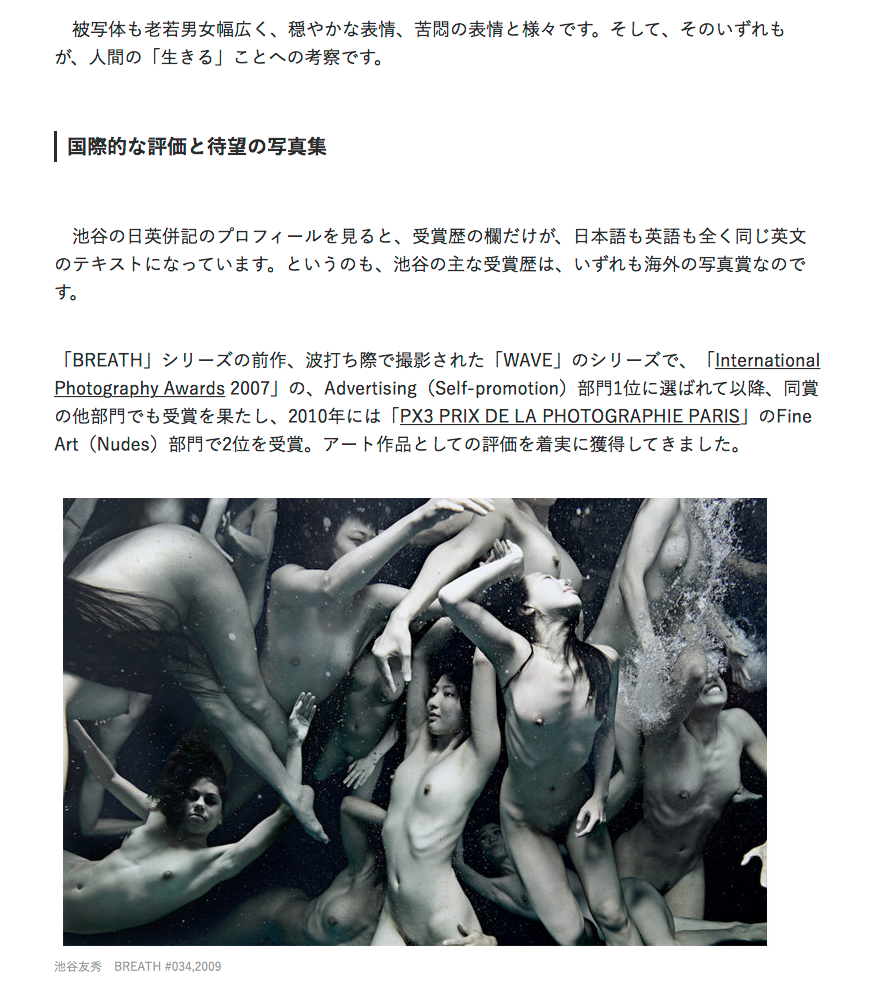
In one image, there is a group of women bundled together, bathed in a silver light, all of them nude. Whether swimming close by one another, embracing, or swimming alone, these women are supporting each other. Here, the artist shows how important human relationships are. It also shows that even though life can mean pain, it can also mean joy. While collective joy is beautiful, it is important to acknowledge the beauty of each person’s existence. The ocean, like life, is beautiful and treacherous. Through BREATH, Tomohide Ikeya explores the power of life and where that power comes from. Every individual and their experience in the series matters, just like in life itself. To view more of Tomohide Ikeya’s works, visit his website
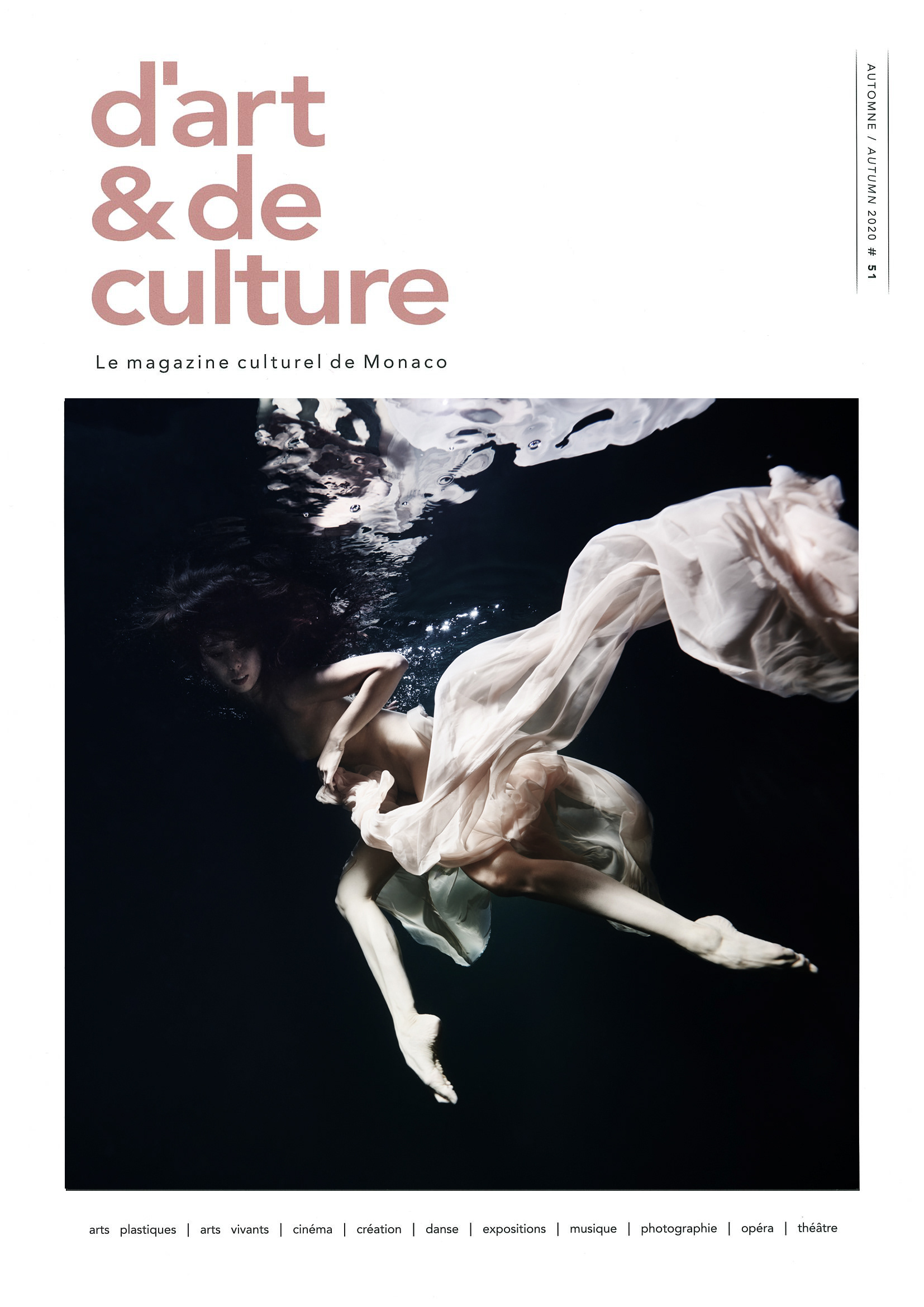
d'art&de culture, 2020 at Monaco
ART'S VICE No.10 2018
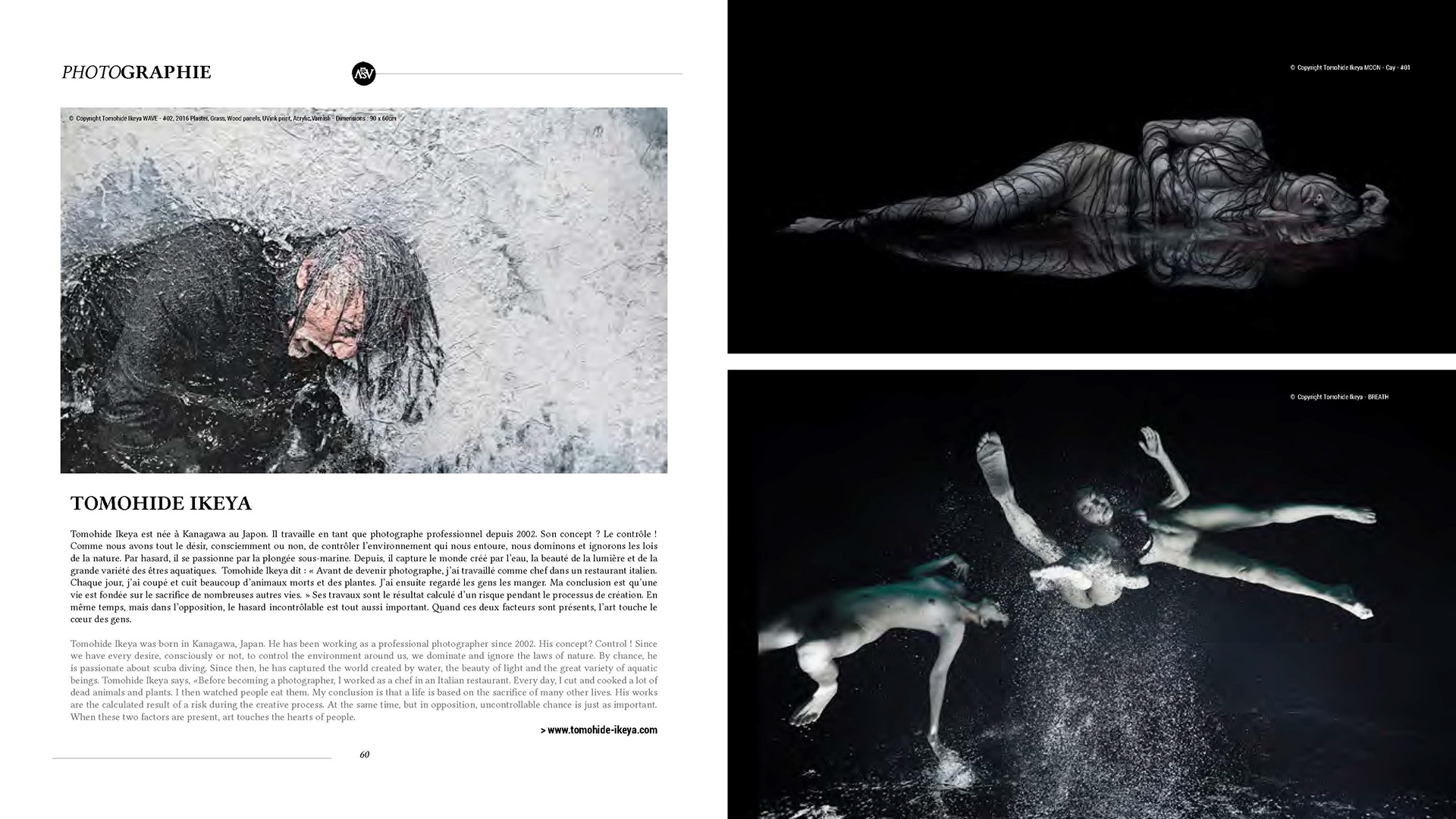
ART'S VICE No.10 2018

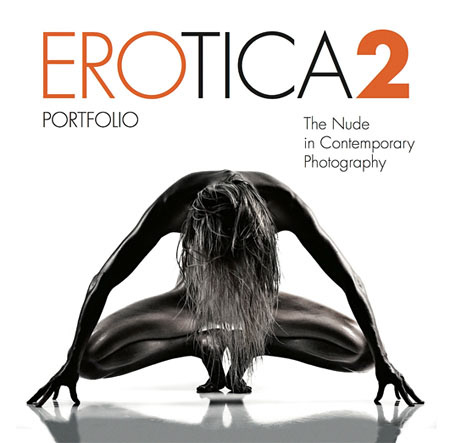
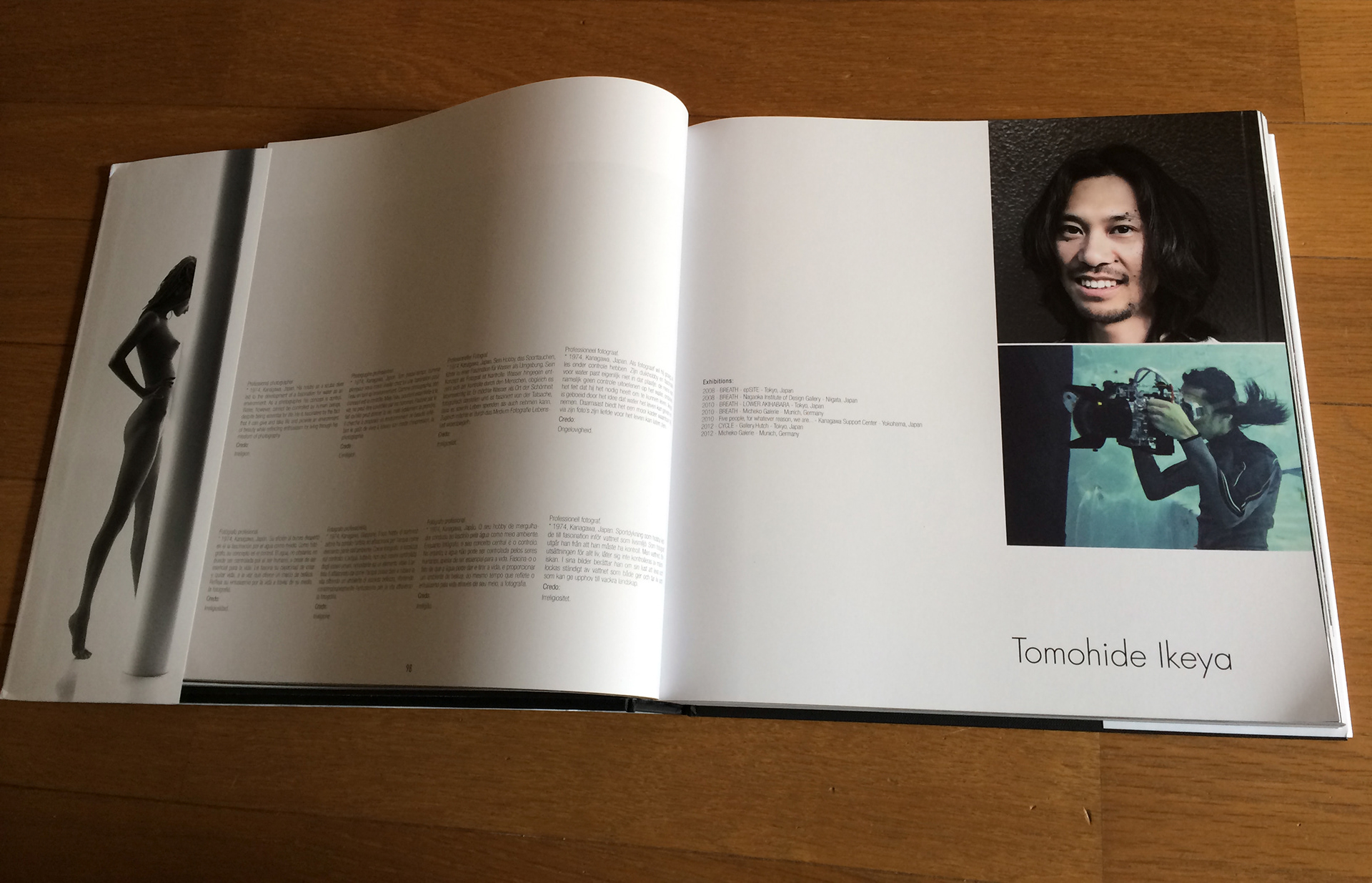
"NEW EROTIC PHOTOGRAPHY 2" TACHEN
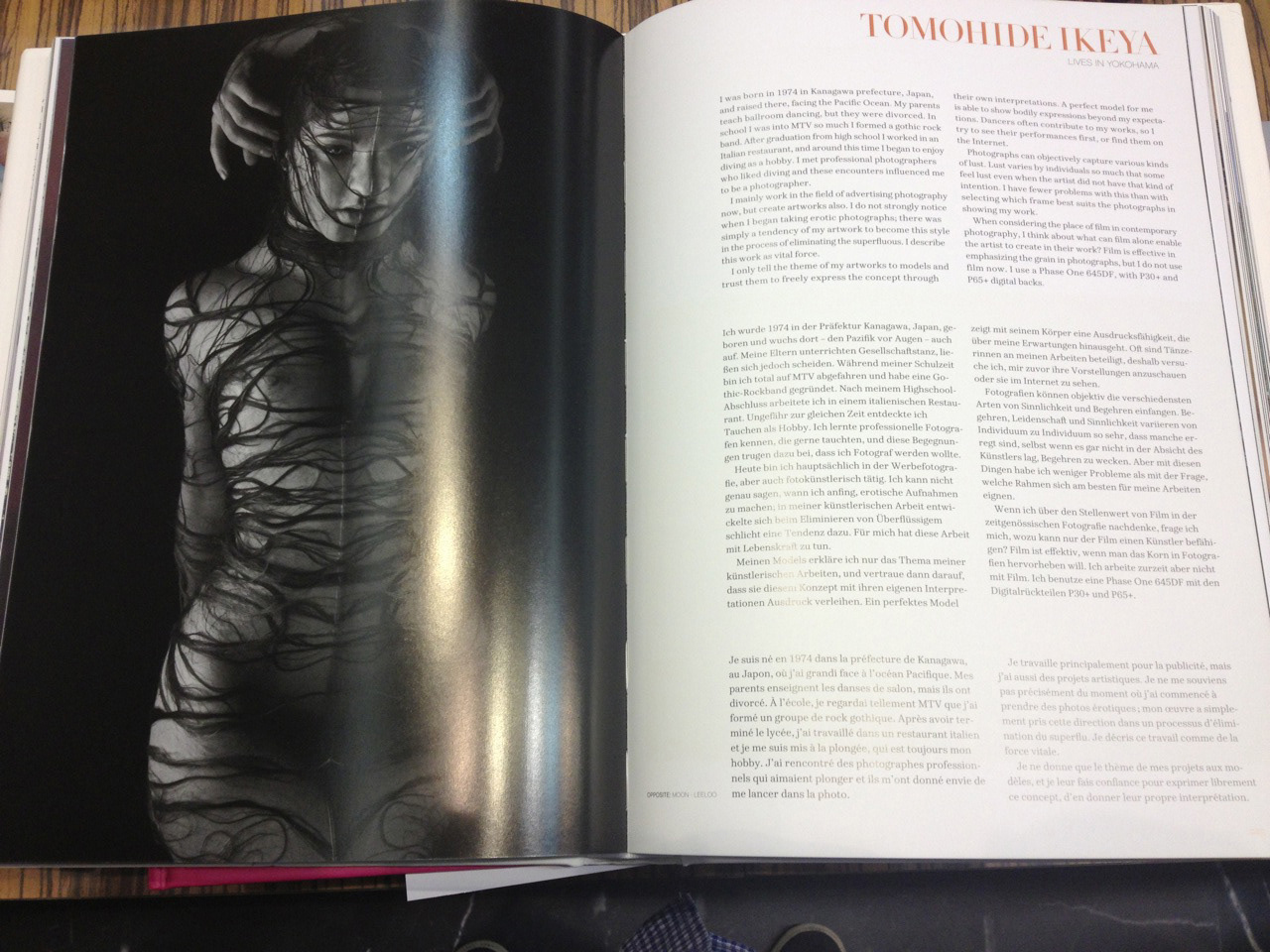
"NEW EROTIC PHOTOGRAPHY 2" TACHEN
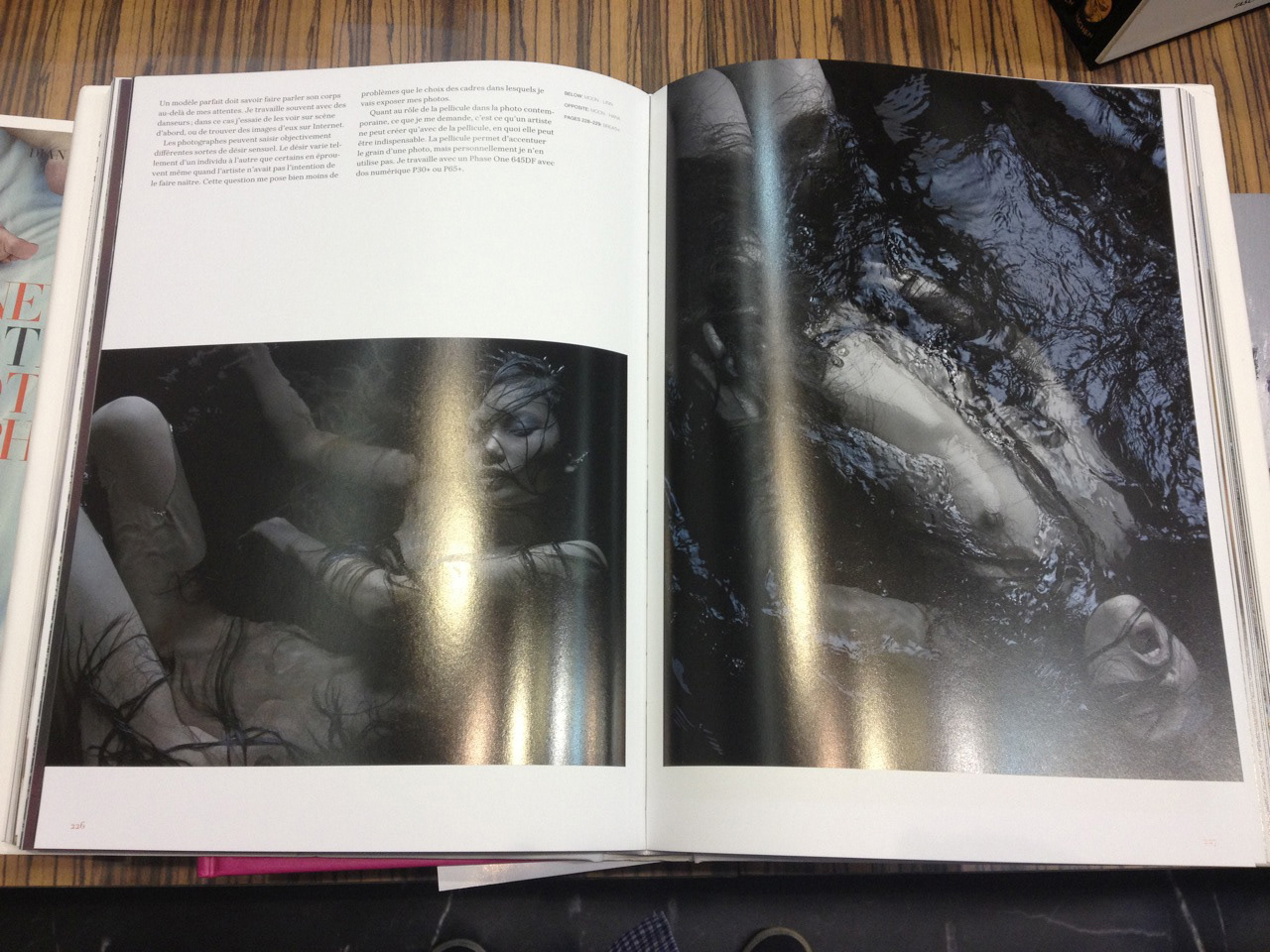
"NEW EROTIC PHOTOGRAPHY 2" TACHEN
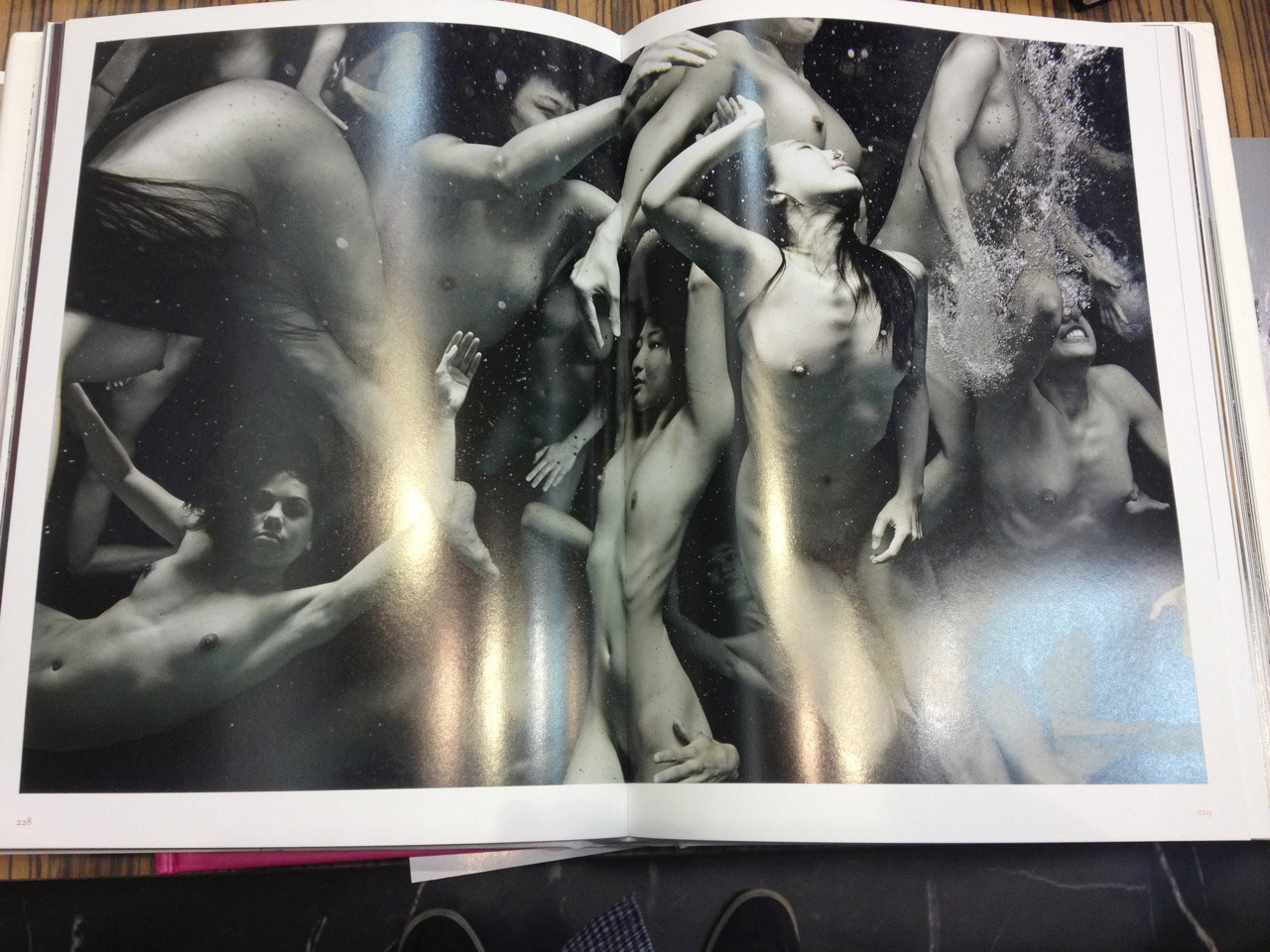
"NEW EROTIC PHOTOGRAPHY 2" TACHEN
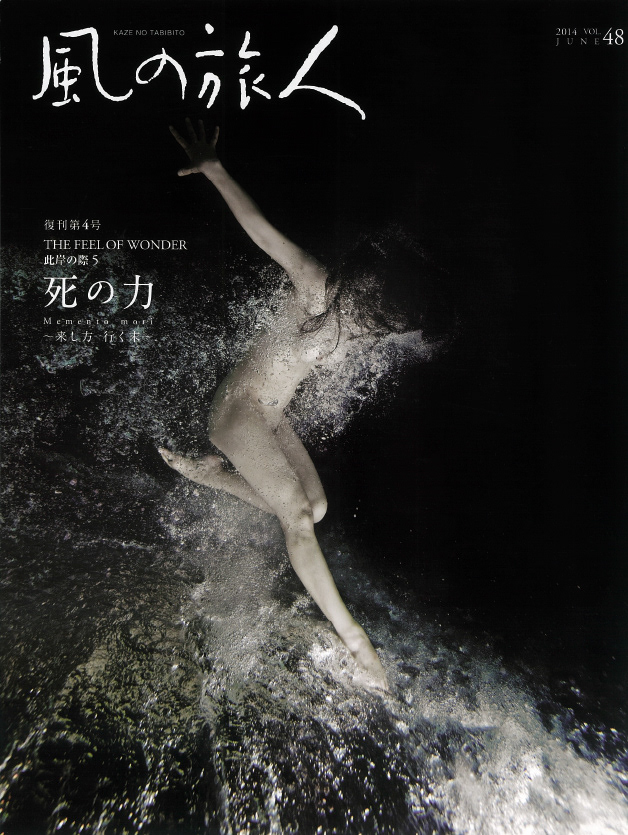
風の旅人 復刊第4号(第48号) 死の力〜来し方、行く末〜
風の旅人 復刊第4号(第48号) 死の力〜来し方、行く末〜

風の旅人 復刊第4号(第48号) 死の力〜来し方、行く末〜

風の旅人 復刊第4号(第48号) 死の力〜来し方、行く末〜
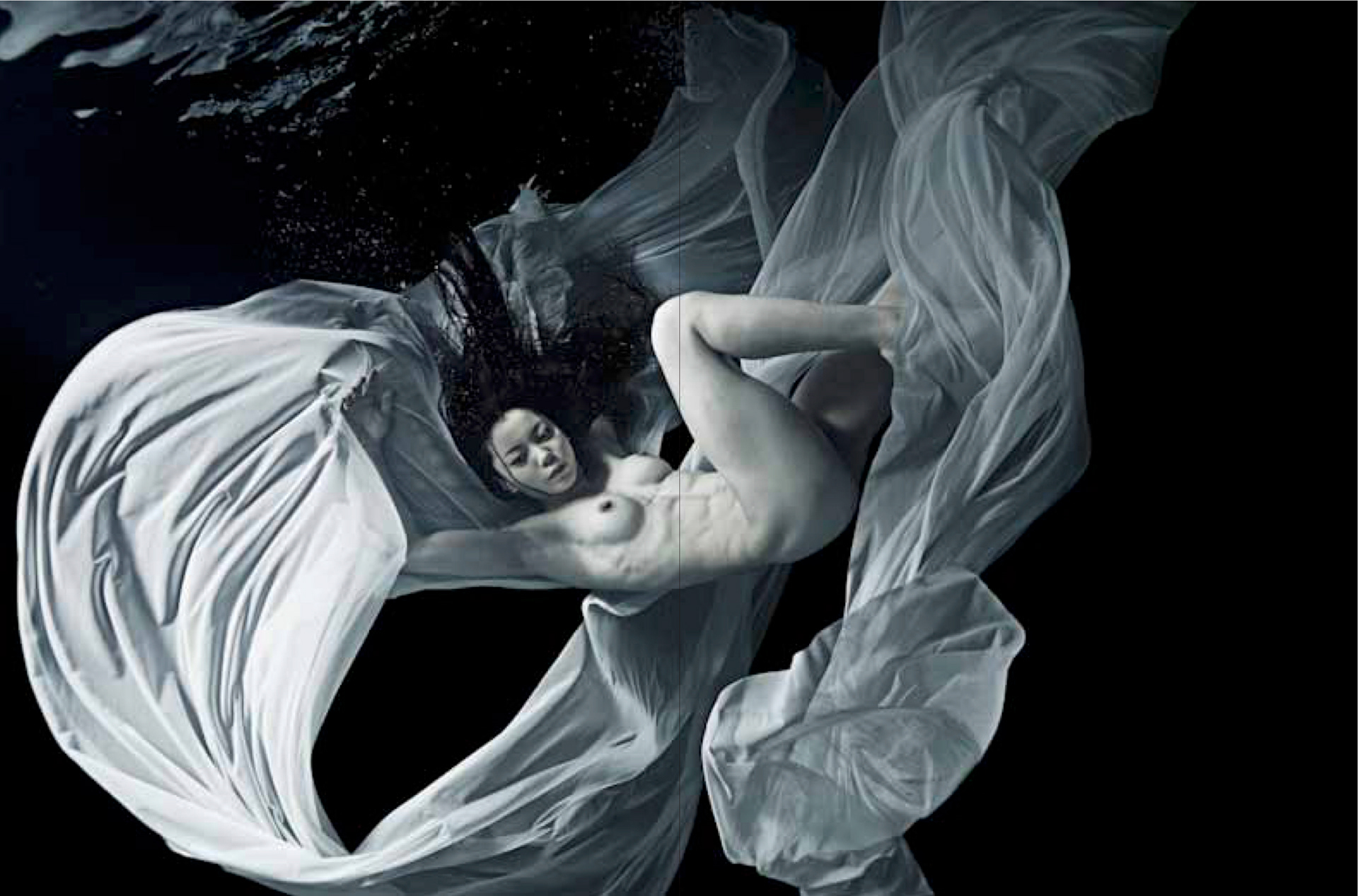
風の旅人 復刊第4号(第48号) 死の力〜来し方、行く末〜

風の旅人 復刊第4号(第48号) 死の力〜来し方、行く末〜

風の旅人 復刊第4号(第48号) 死の力〜来し方、行く末〜
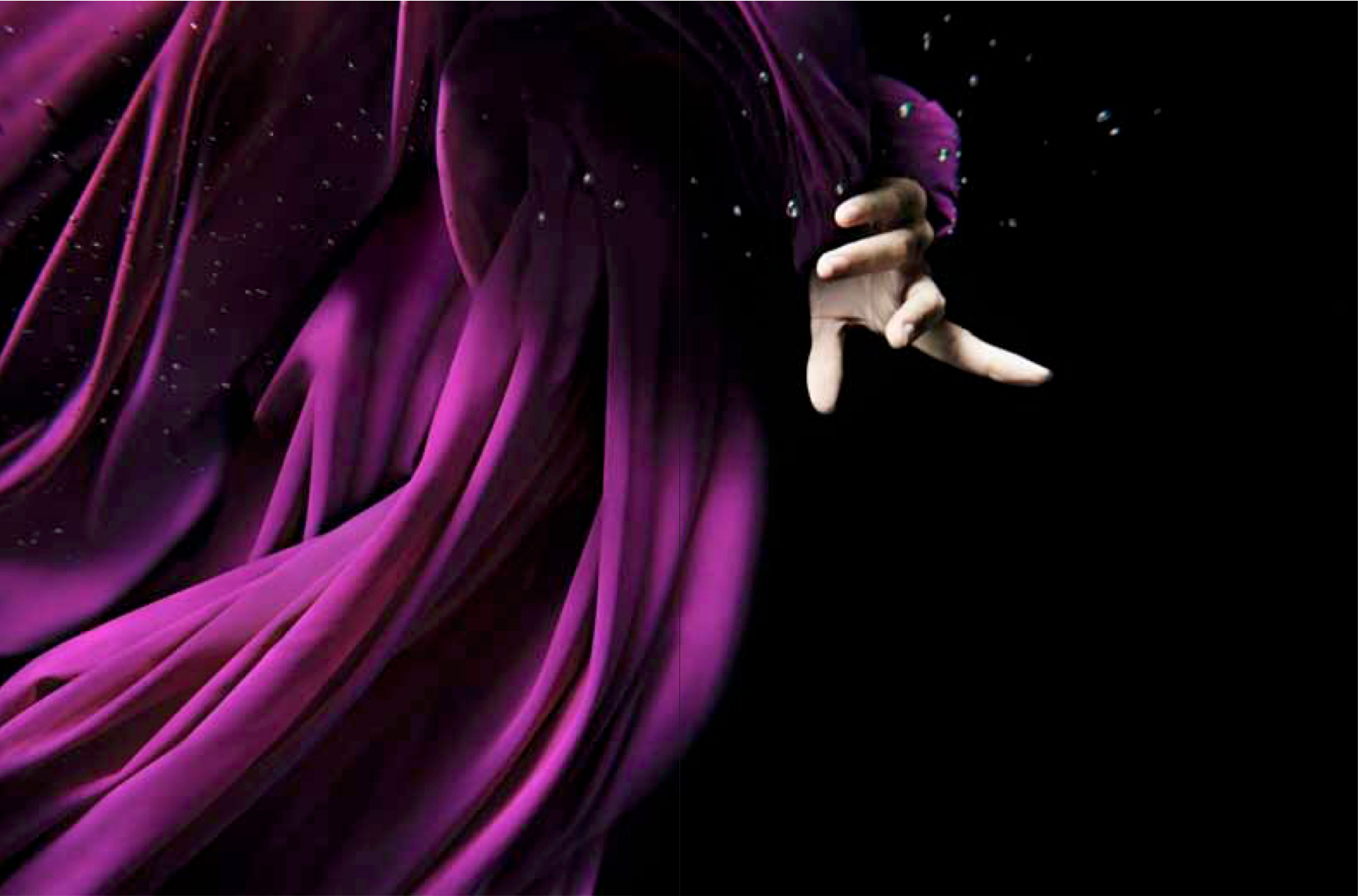
風の旅人 復刊第4号(第48号) 死の力〜来し方、行く末〜

風の旅人 復刊第4号(第48号) 死の力〜来し方、行く末〜
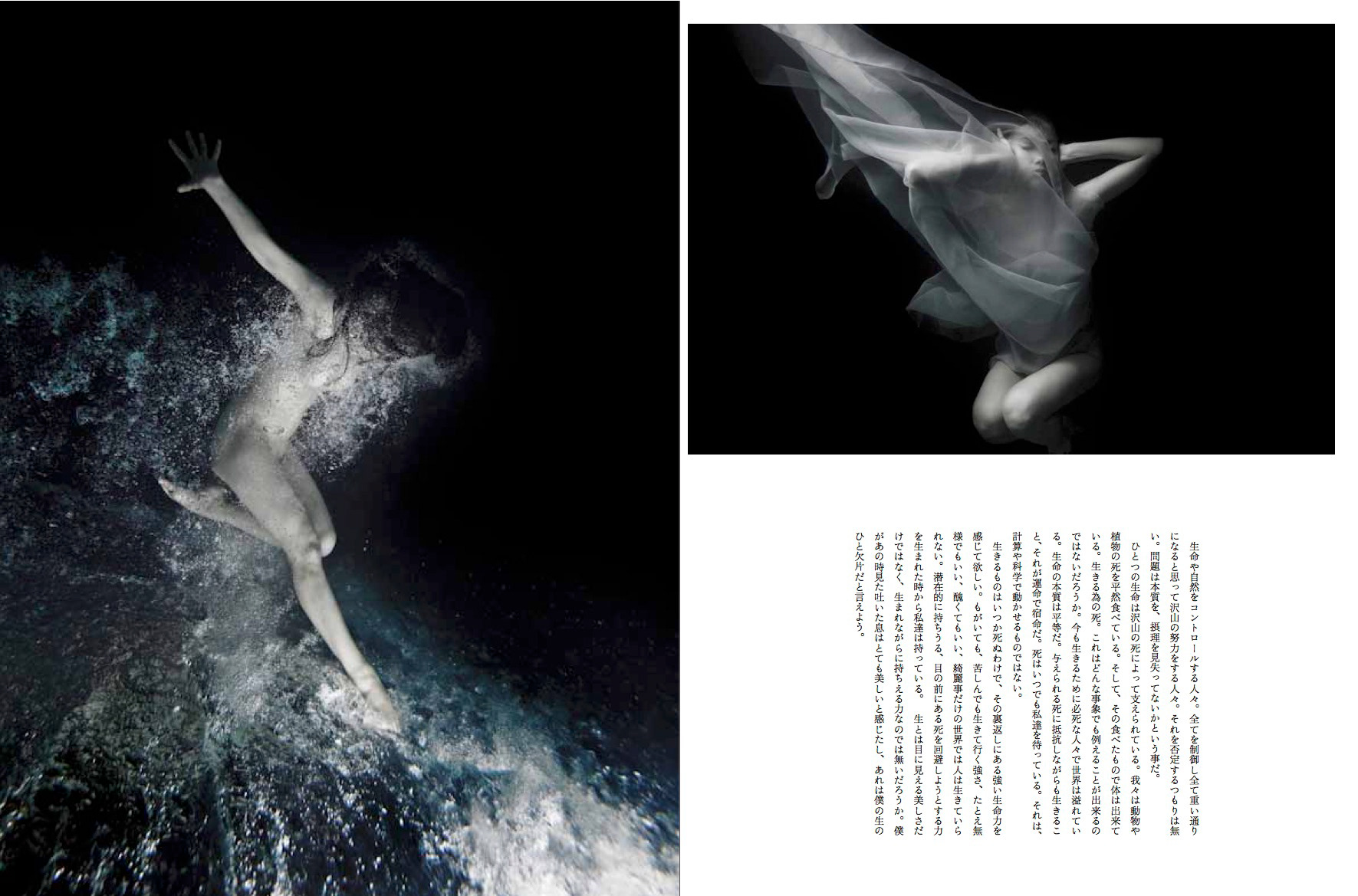
風の旅人 復刊第4号(第48号) 死の力〜来し方、行く末〜
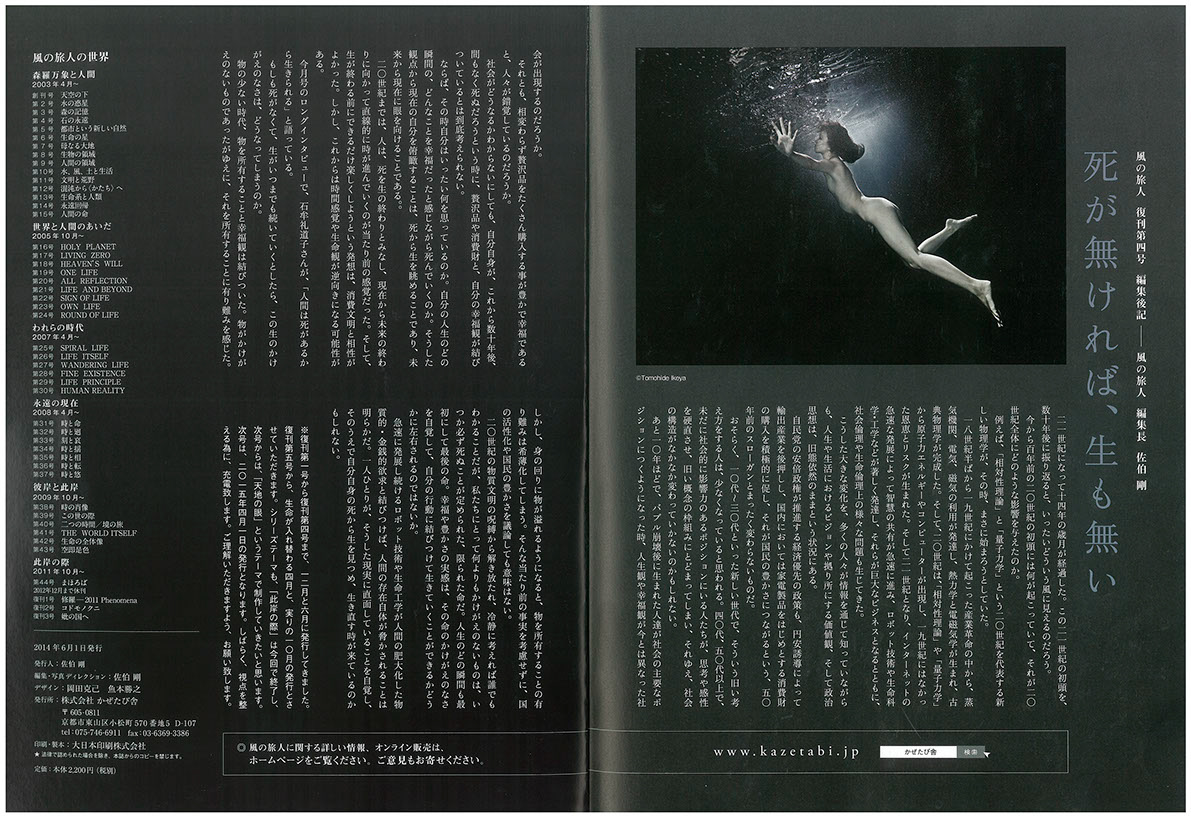
風の旅人 復刊第4号(第48号) 死の力〜来し方、行く末〜


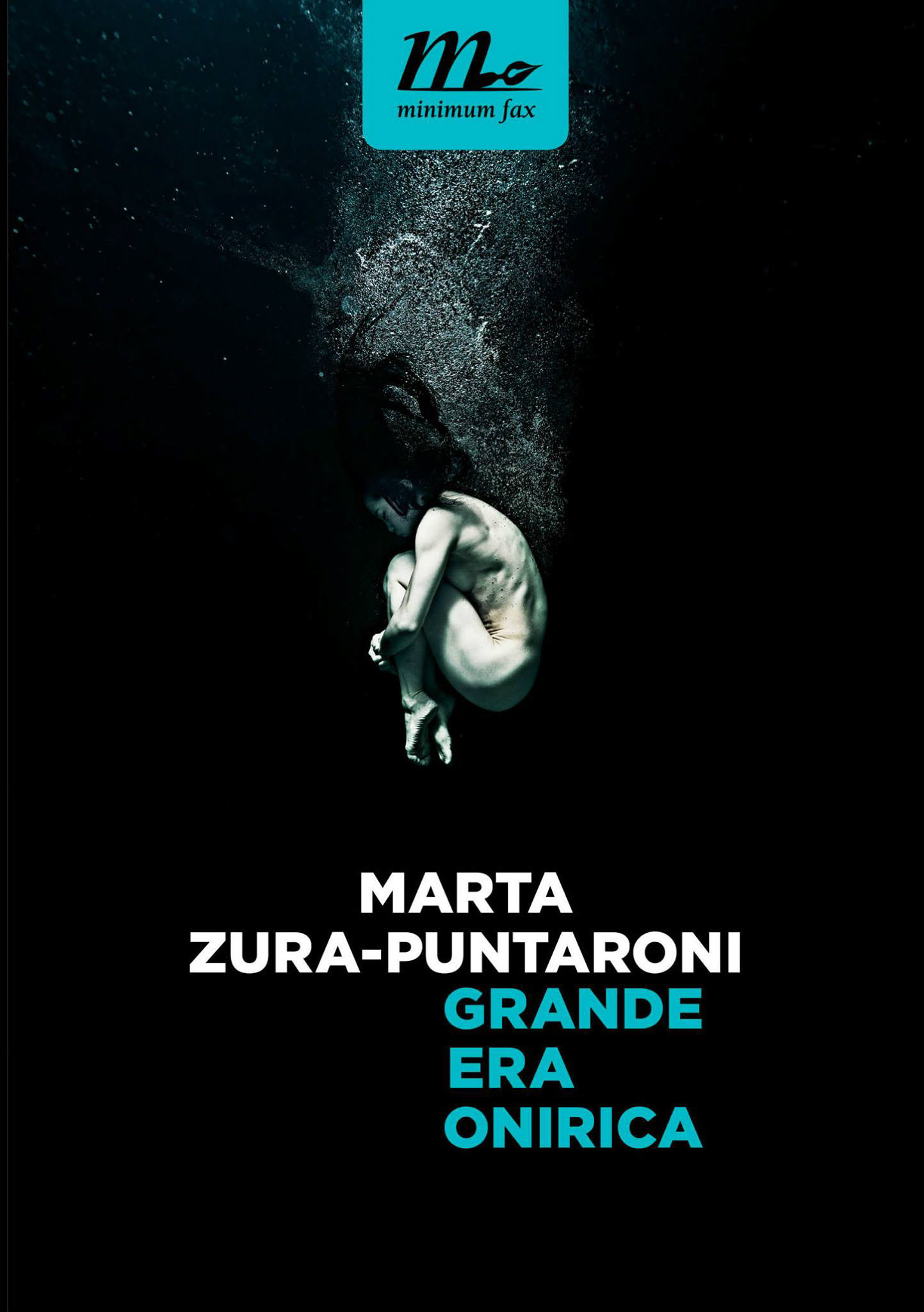
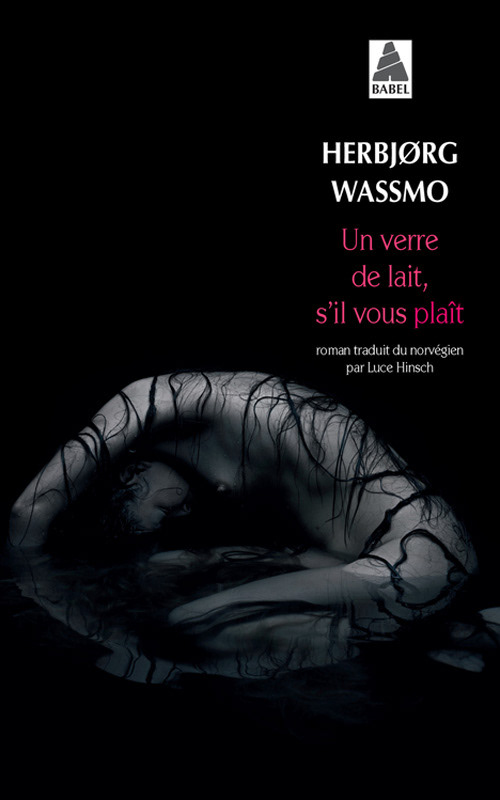

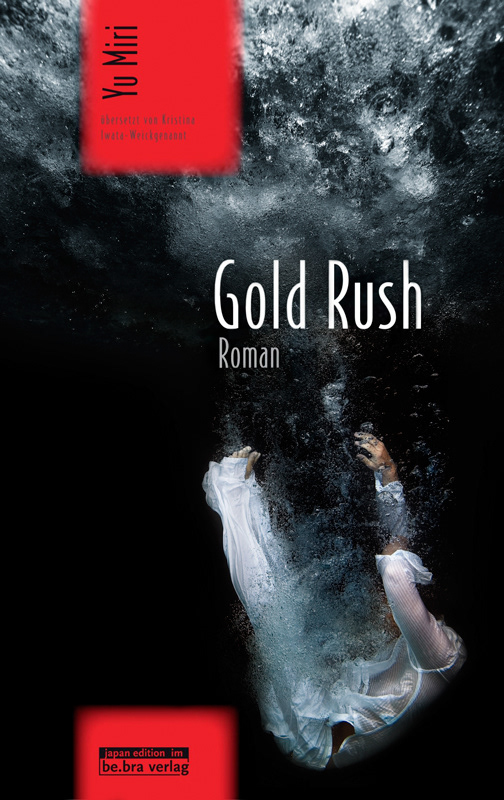
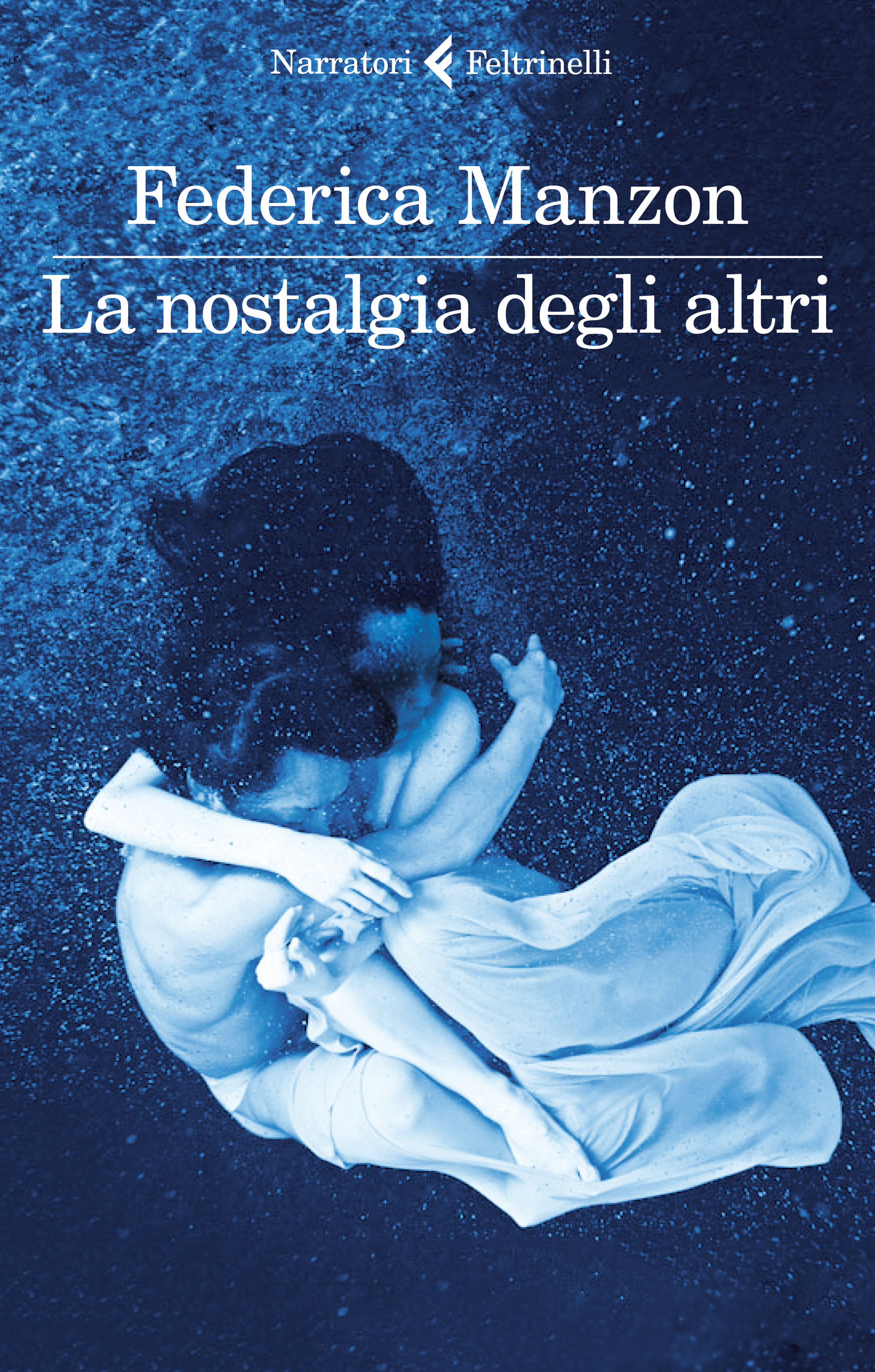

bitecho 2015
bitecho 2015
bitecho 2015
bitecho 2015
bitecho 2015
bitecho 2015
bitecho 2015
芸術新聞社 相馬俊樹 Art esoteriqe
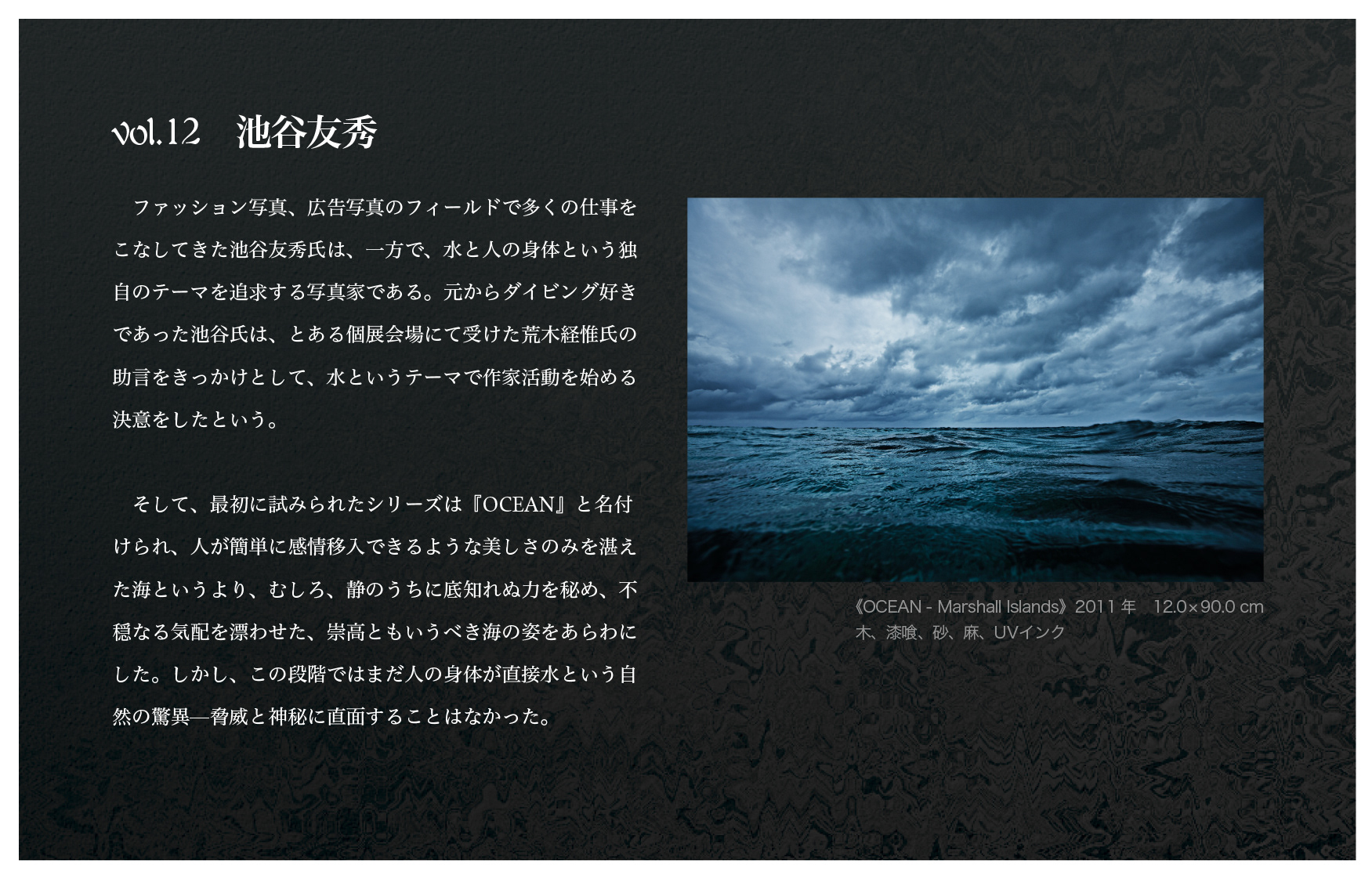
芸術新聞社 相馬俊樹 Art esoteriqe
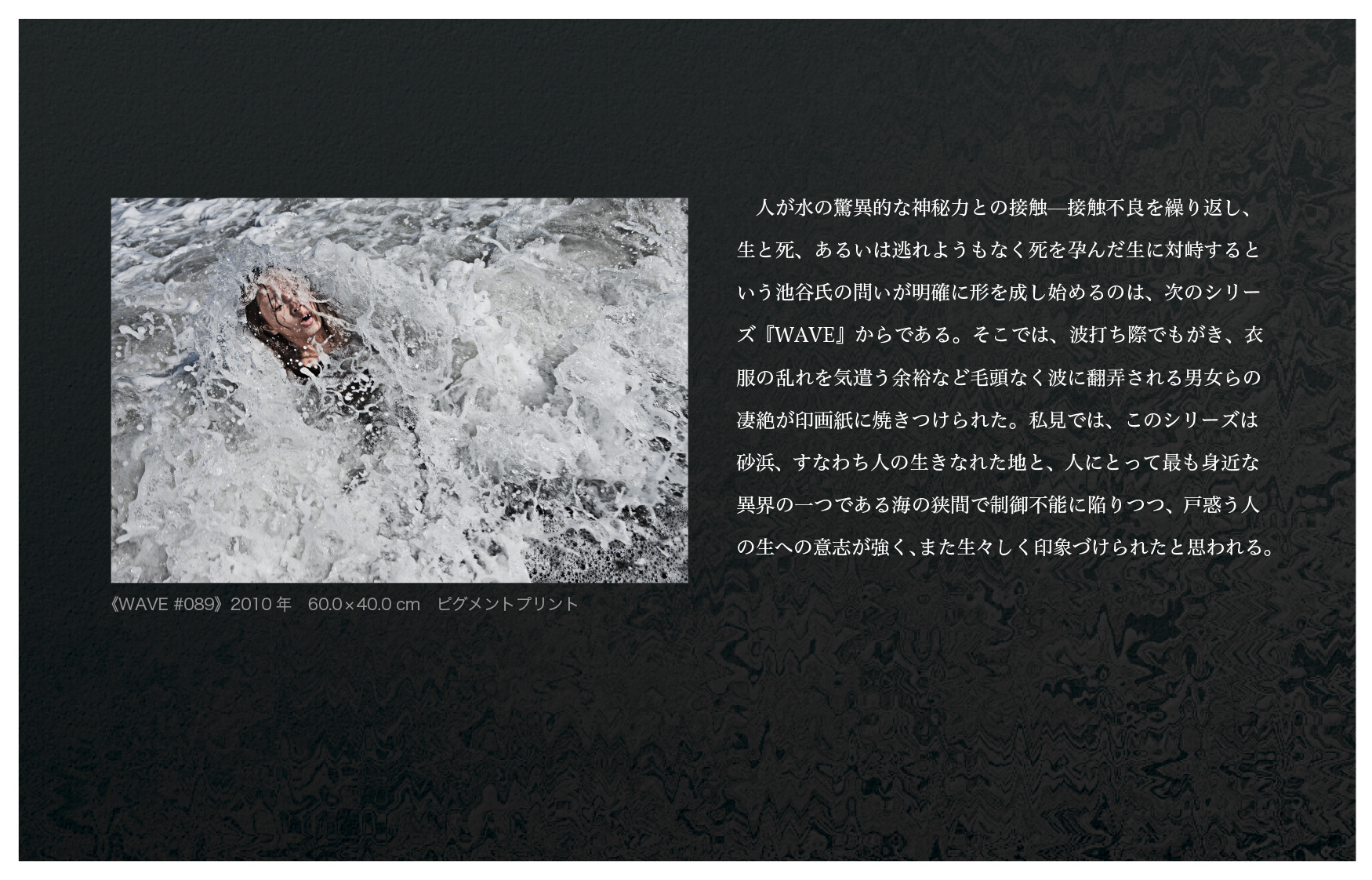
芸術新聞社 相馬俊樹 Art esoteriqe
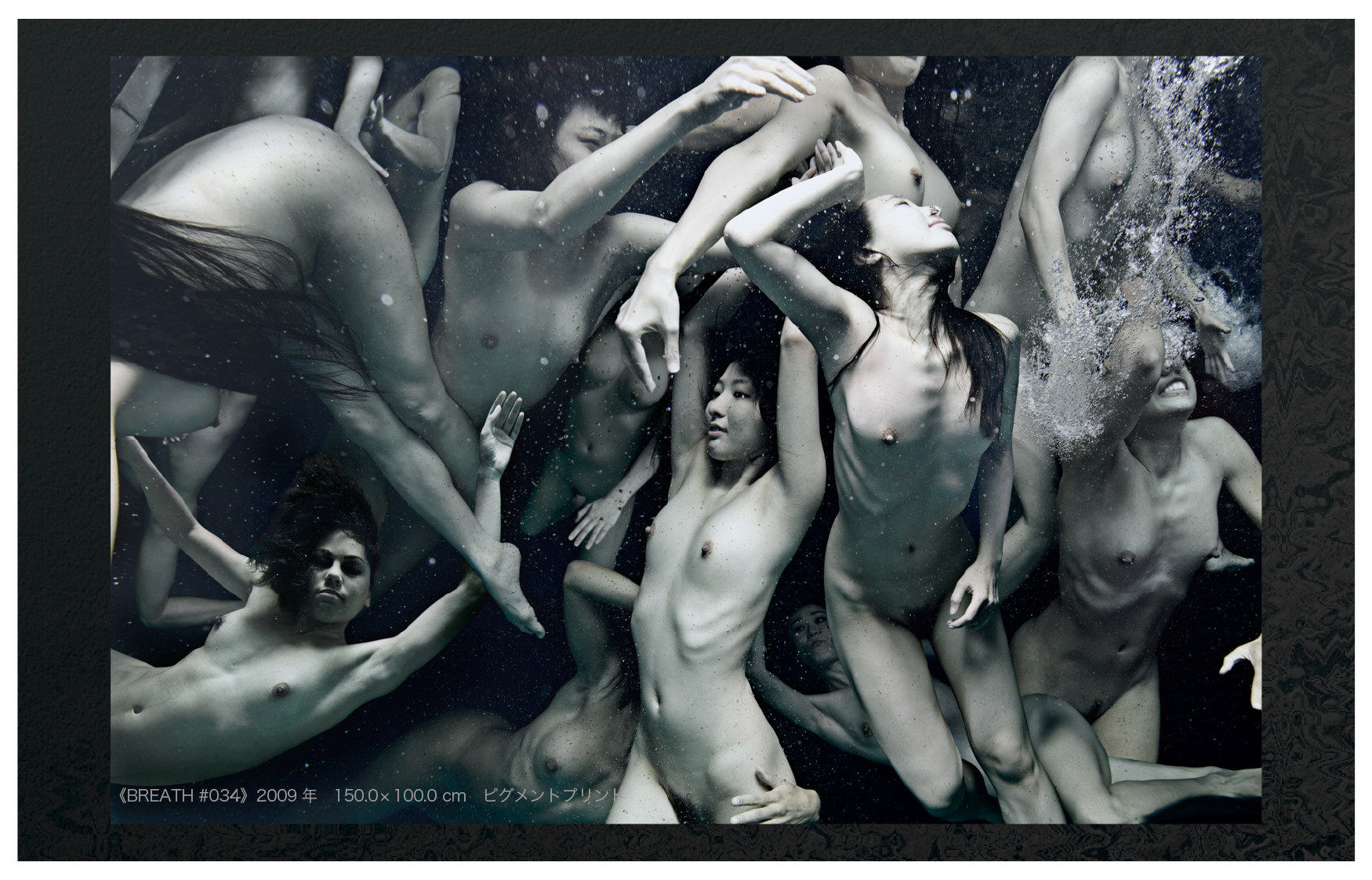
芸術新聞社 相馬俊樹 Art esoteriqe

芸術新聞社 相馬俊樹 Art esoteriqe
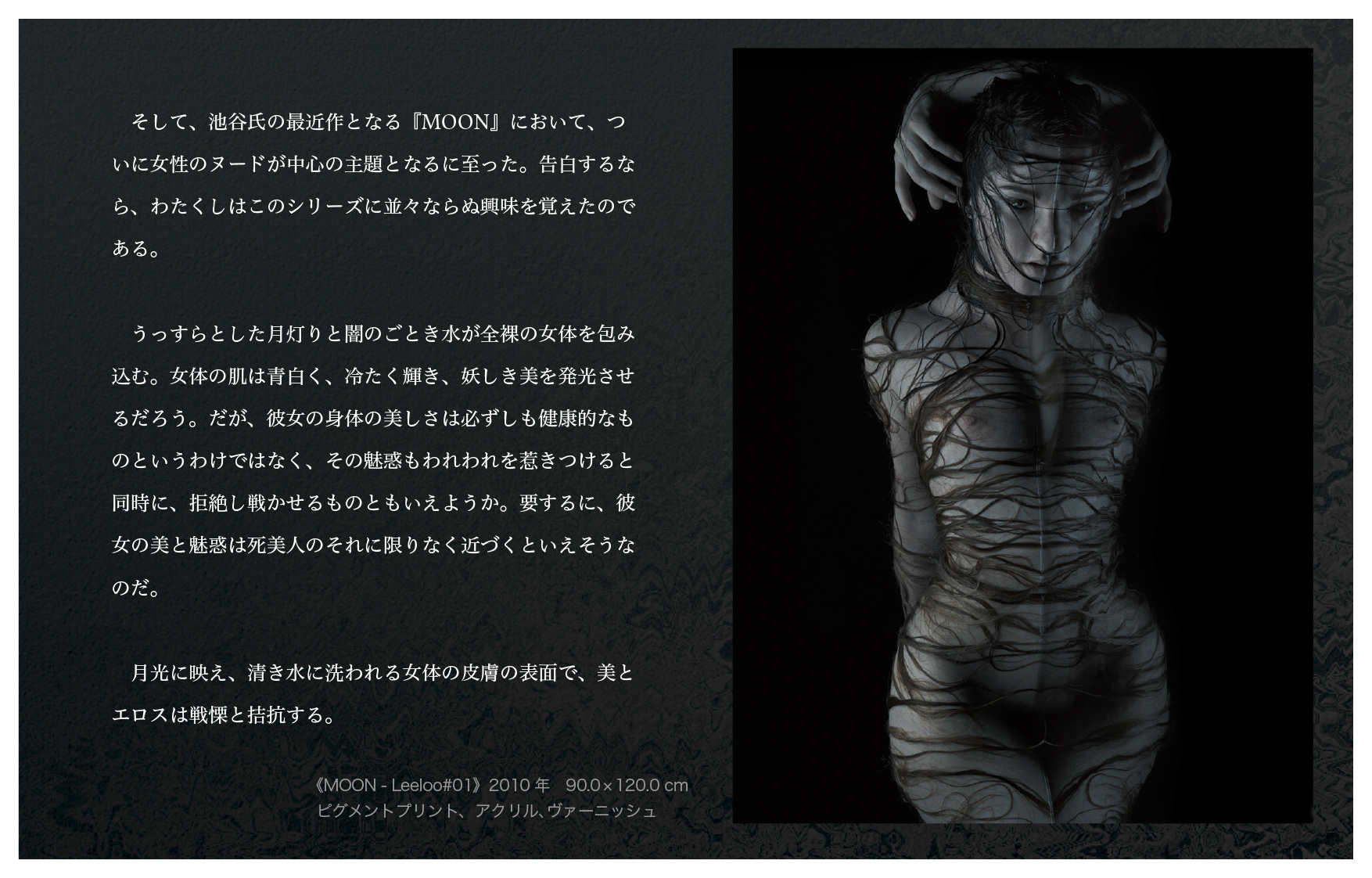
芸術新聞社 相馬俊樹 Art esoteriqe
芸術新聞社 相馬俊樹 Art esoteriqe
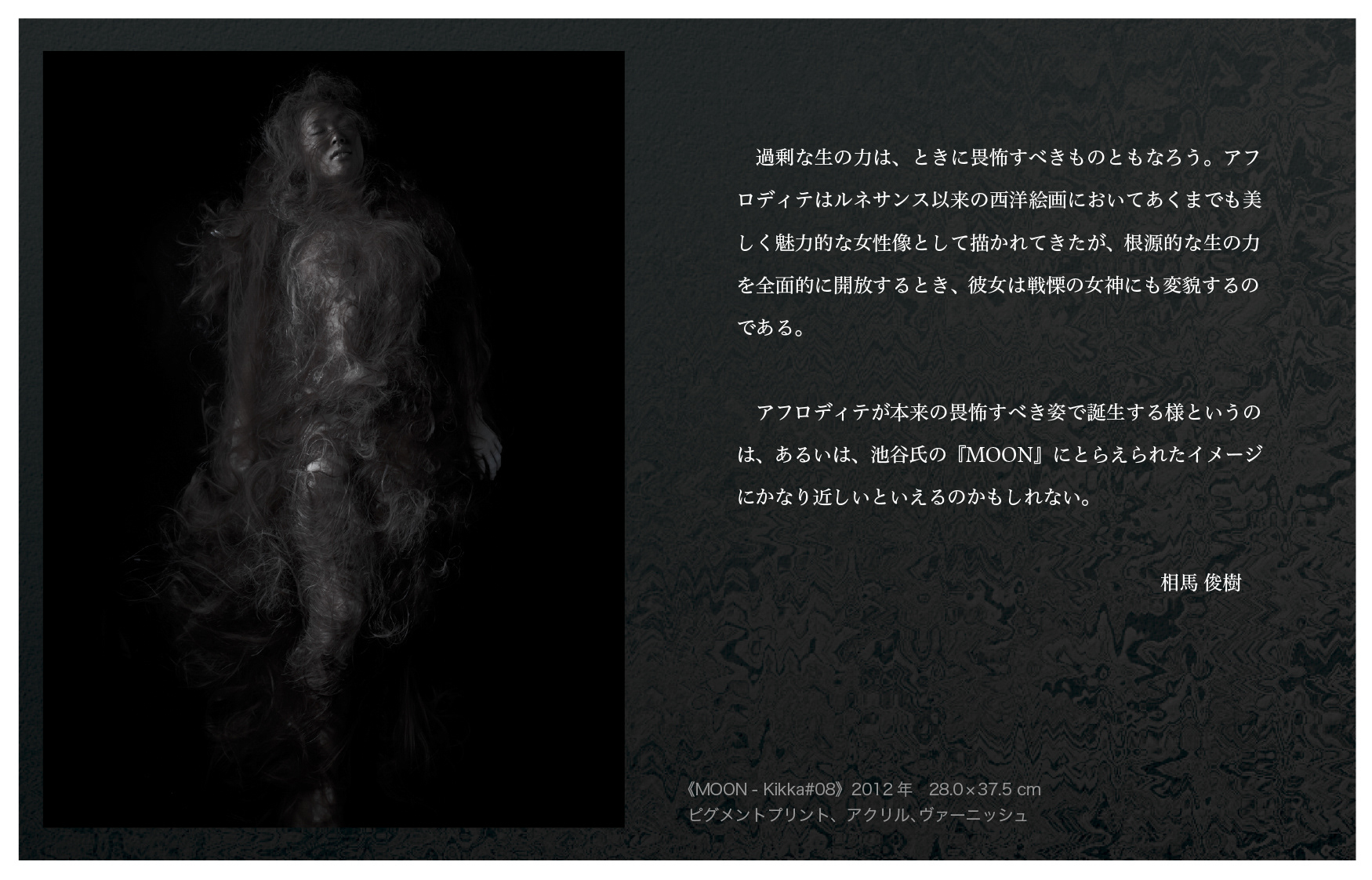
芸術新聞社 相馬俊樹 Art esoteriqe

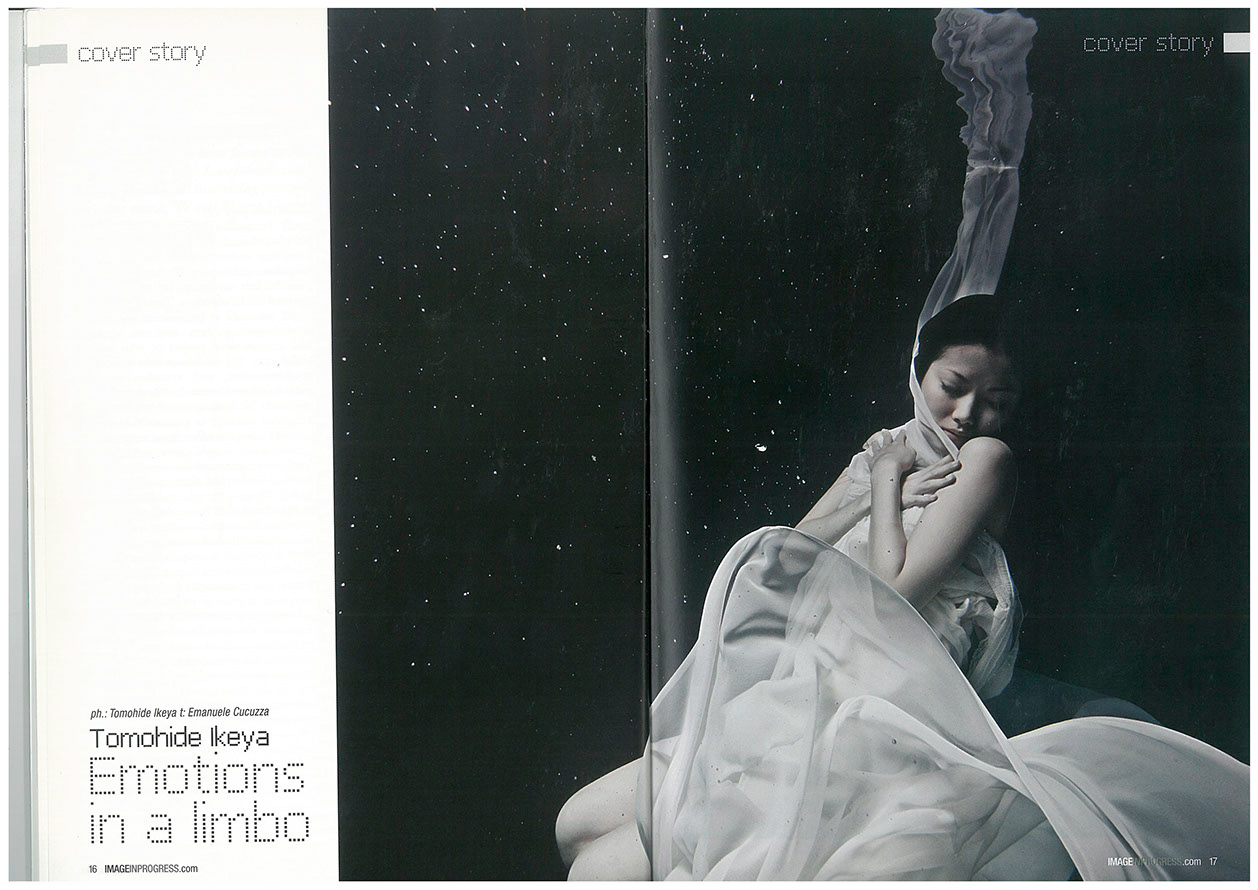




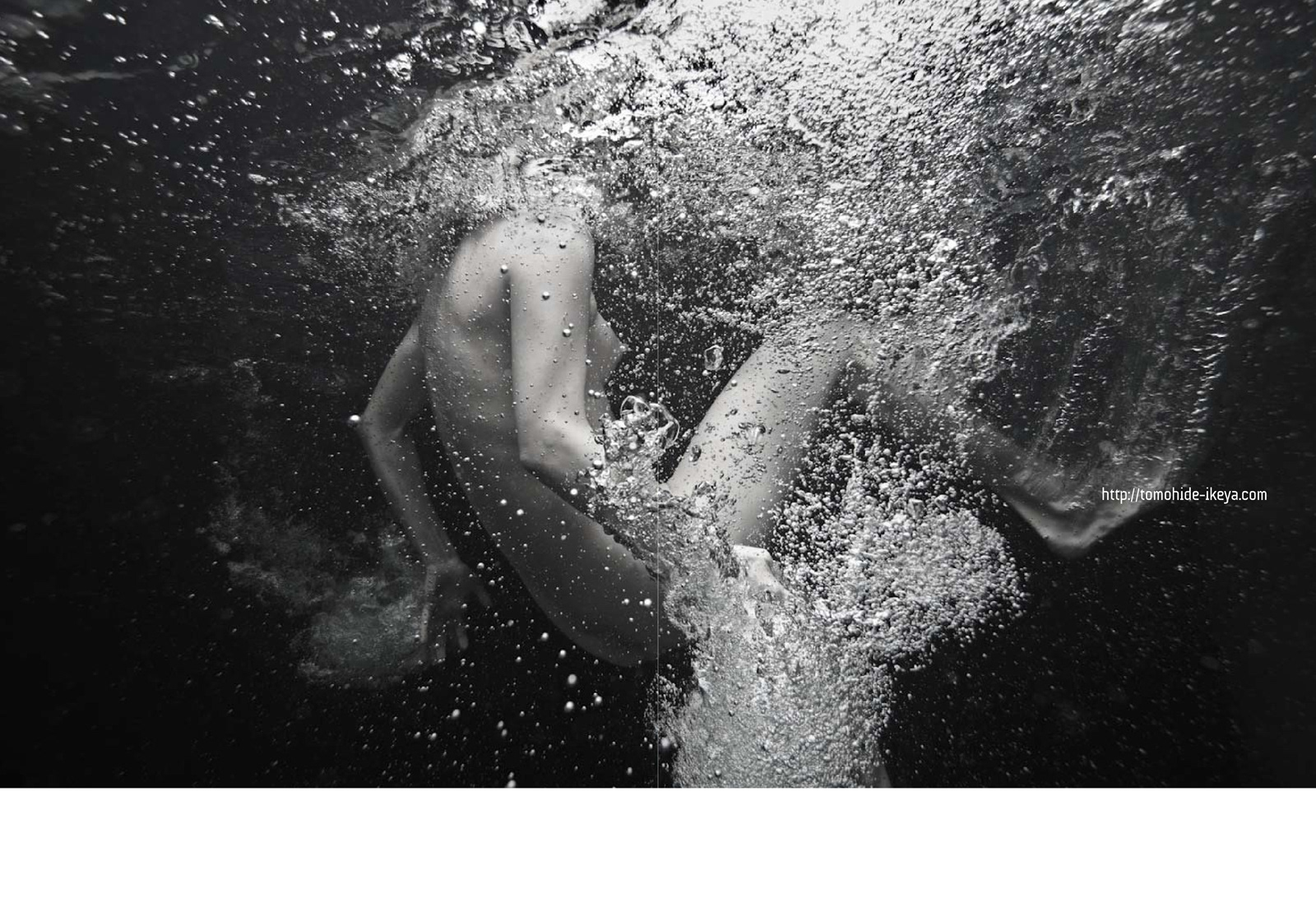
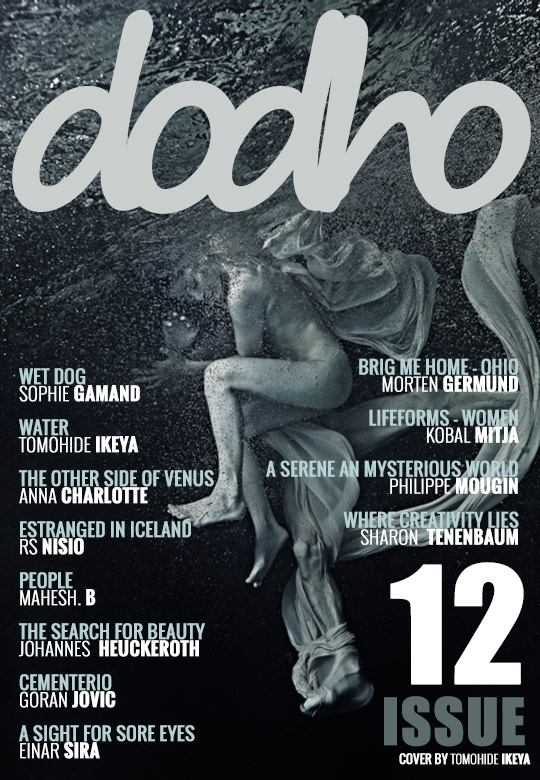
dodho magazine issue12

dodho magazine issue12

dodho magazine issue12

dodho magazine issue12
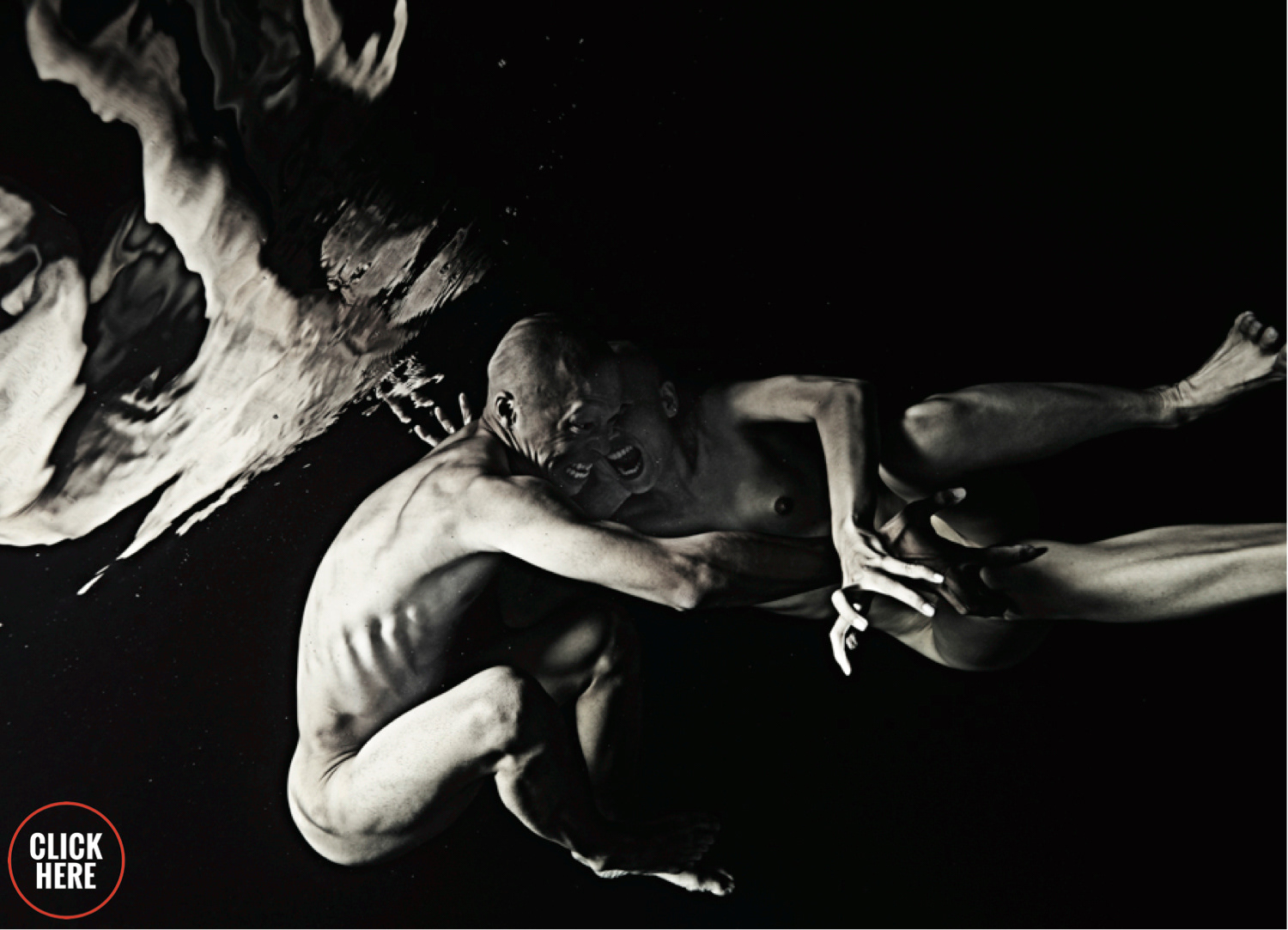
dodho magazine issue12