





























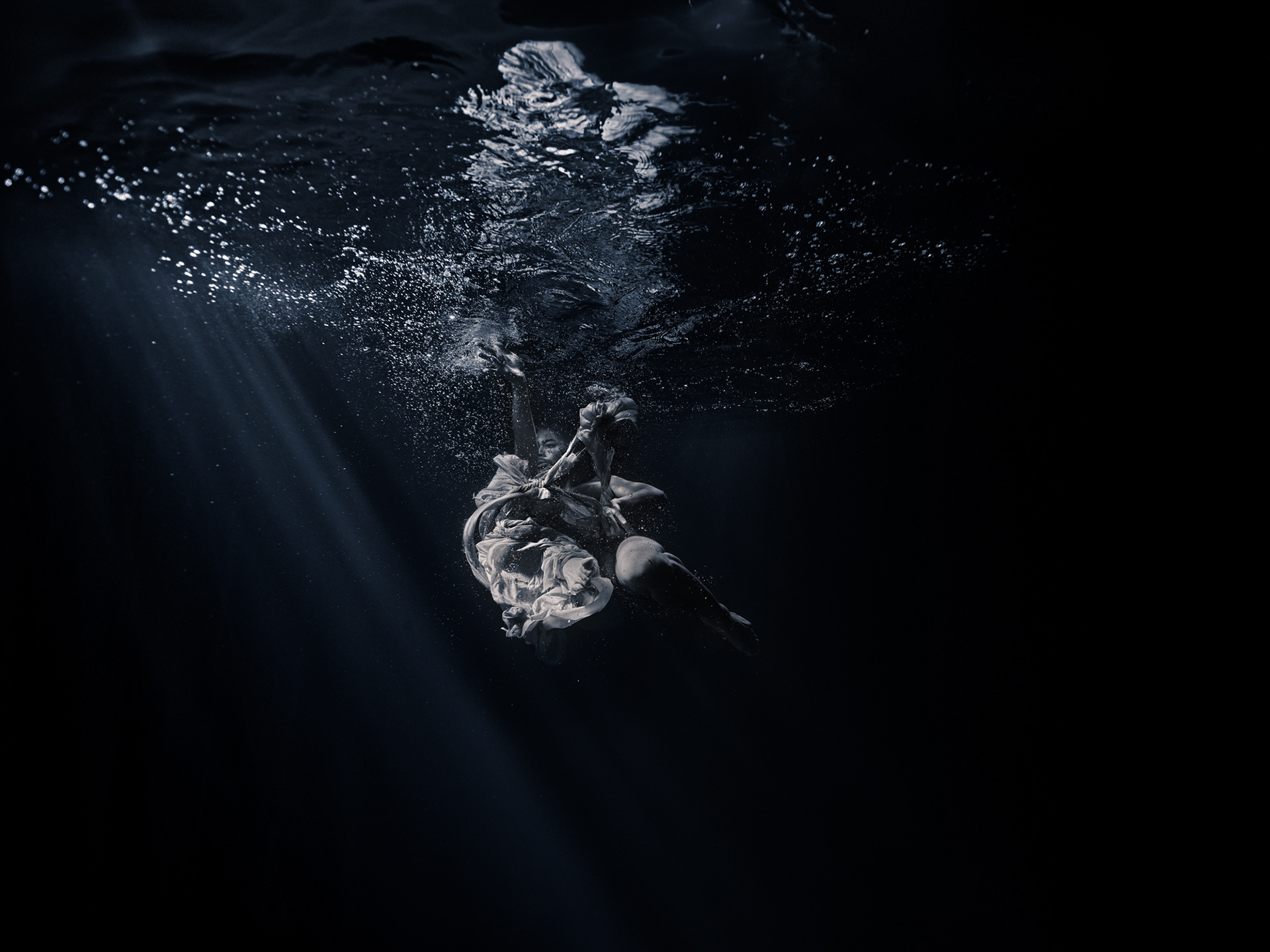


"Another Weightlessness" feat. Renshi Chokai

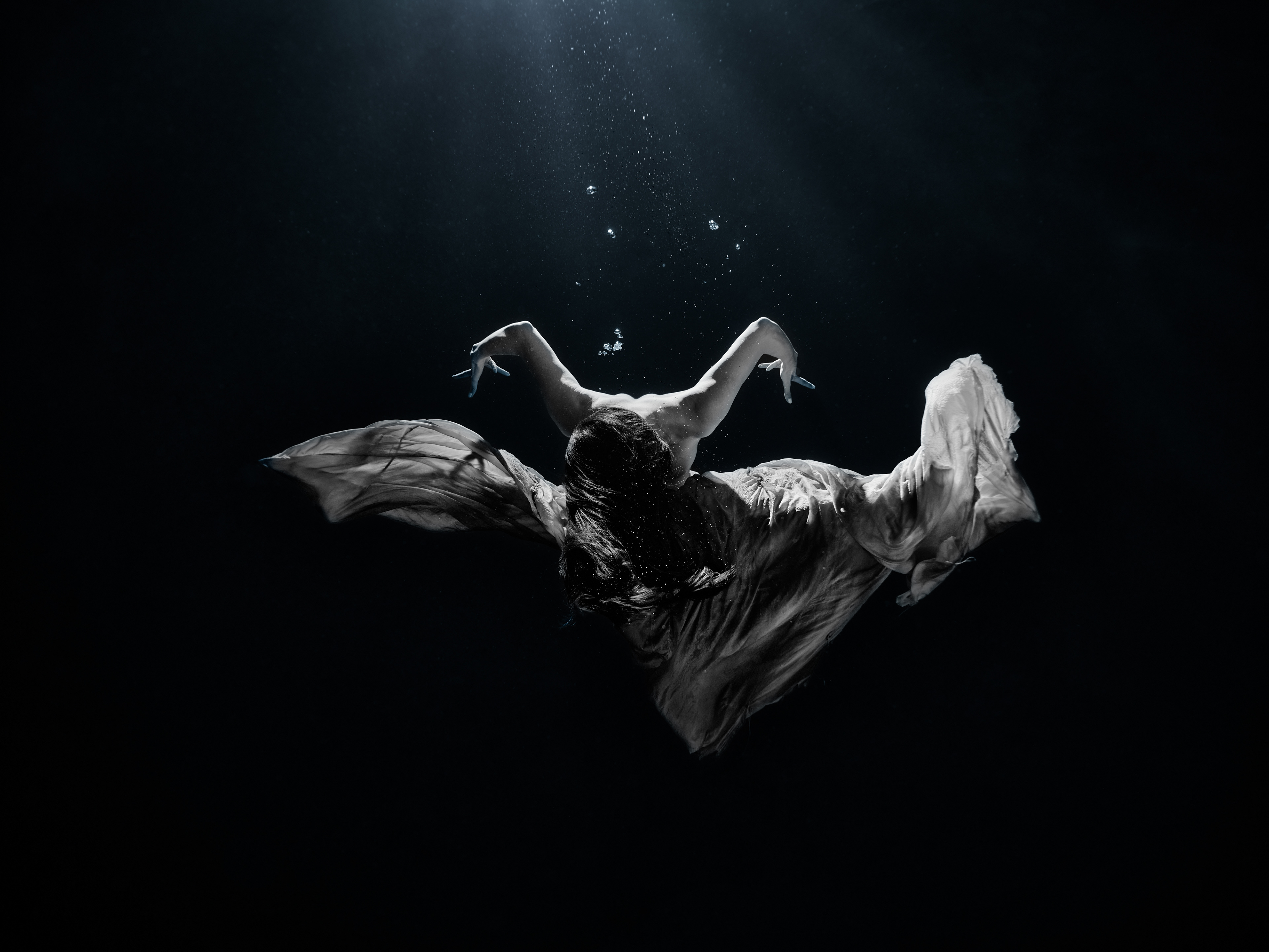
"Another Weightlessness" feat. Renshi Chokai
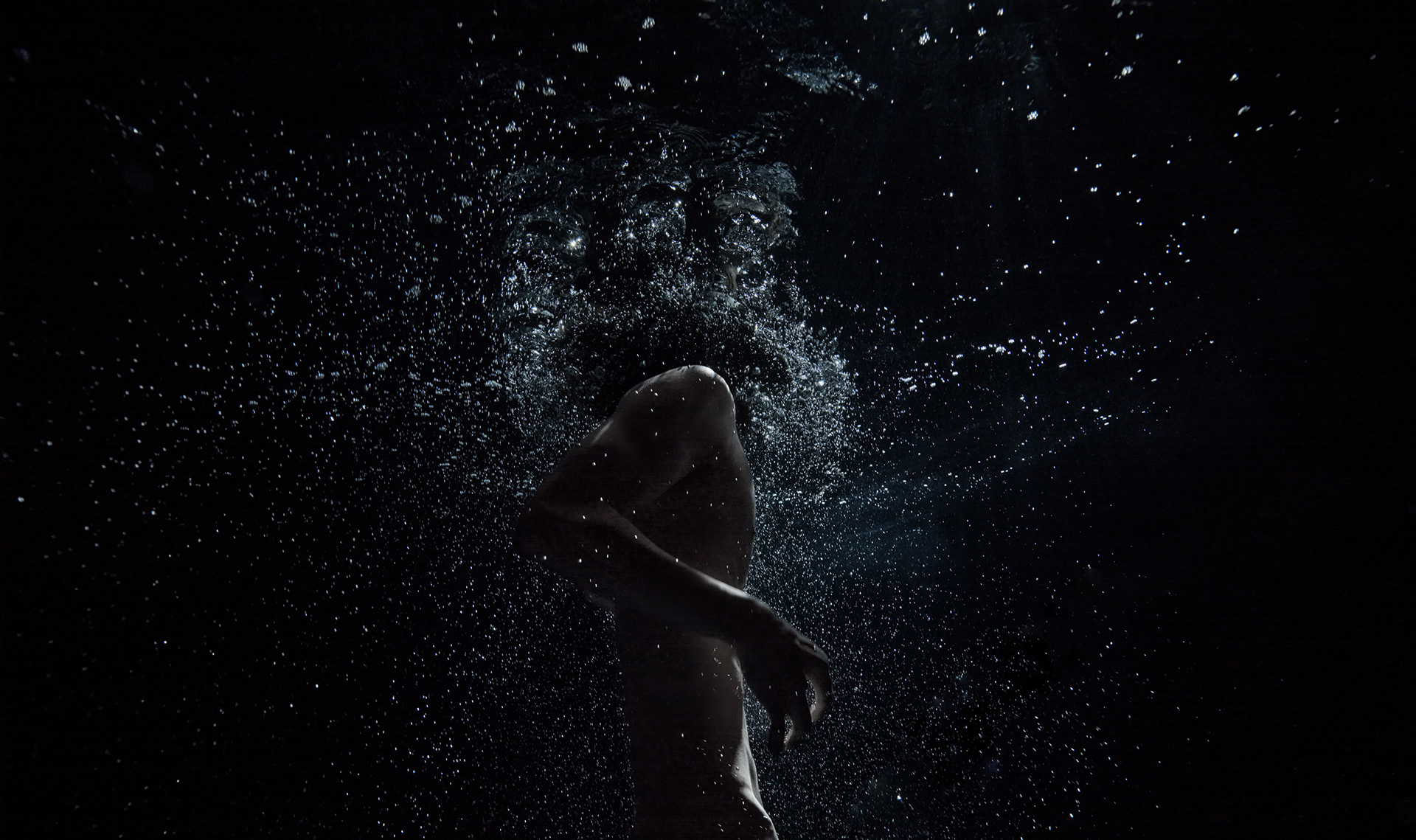
"Another Weightlessness" feat. Renshi Chokai
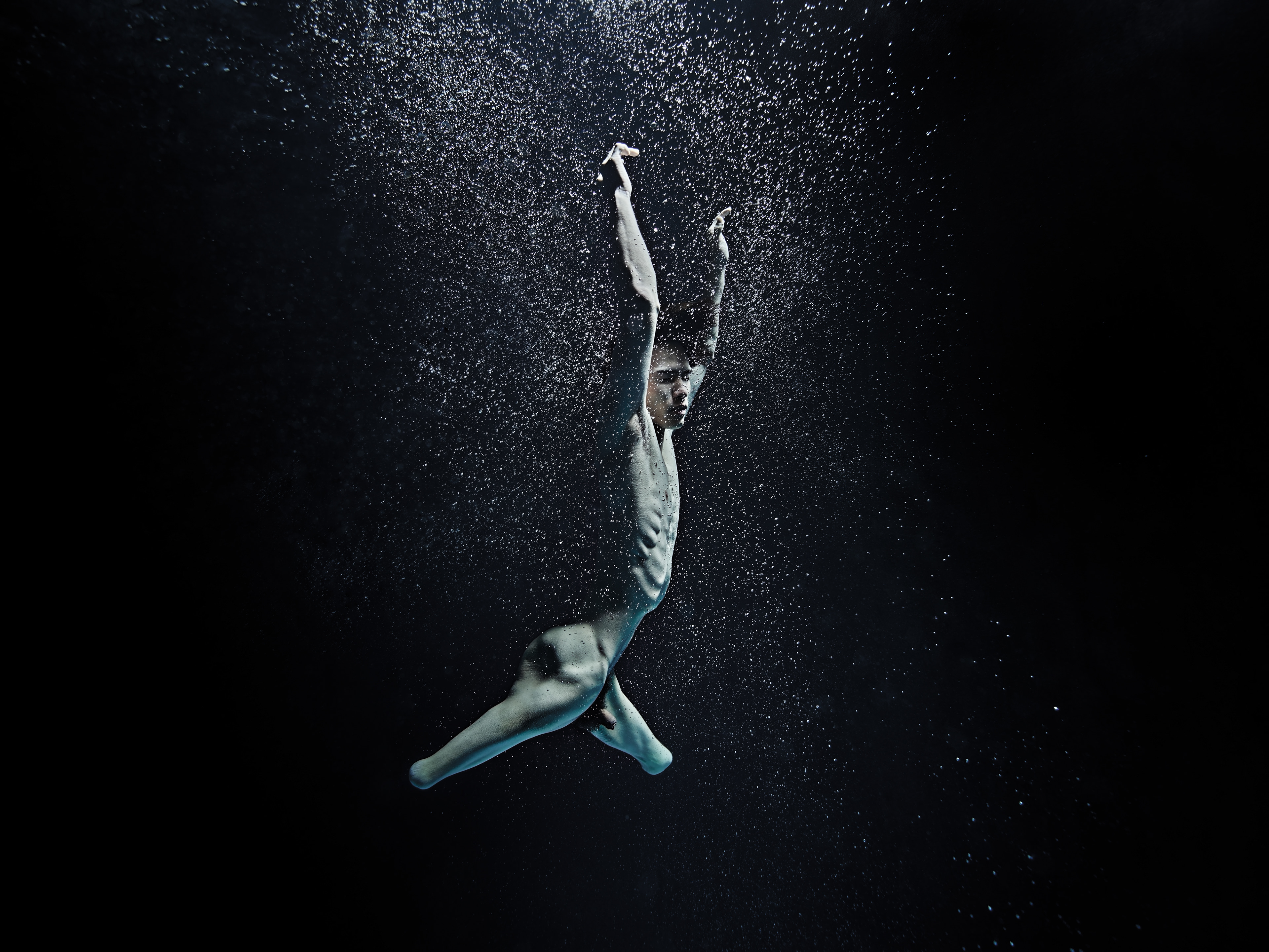
"Another Weightlessness" feat. Renshi Chokai
BREATH
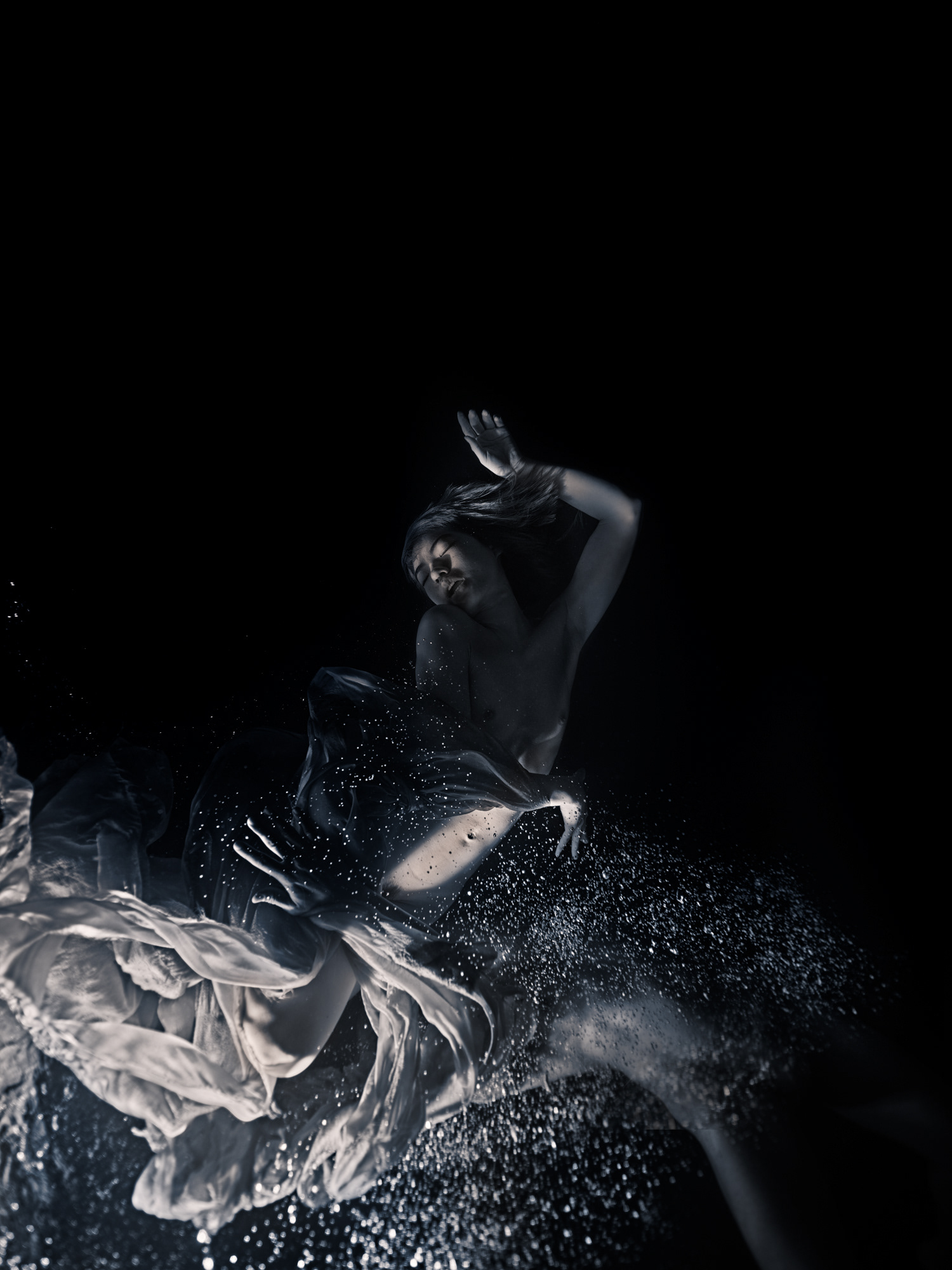
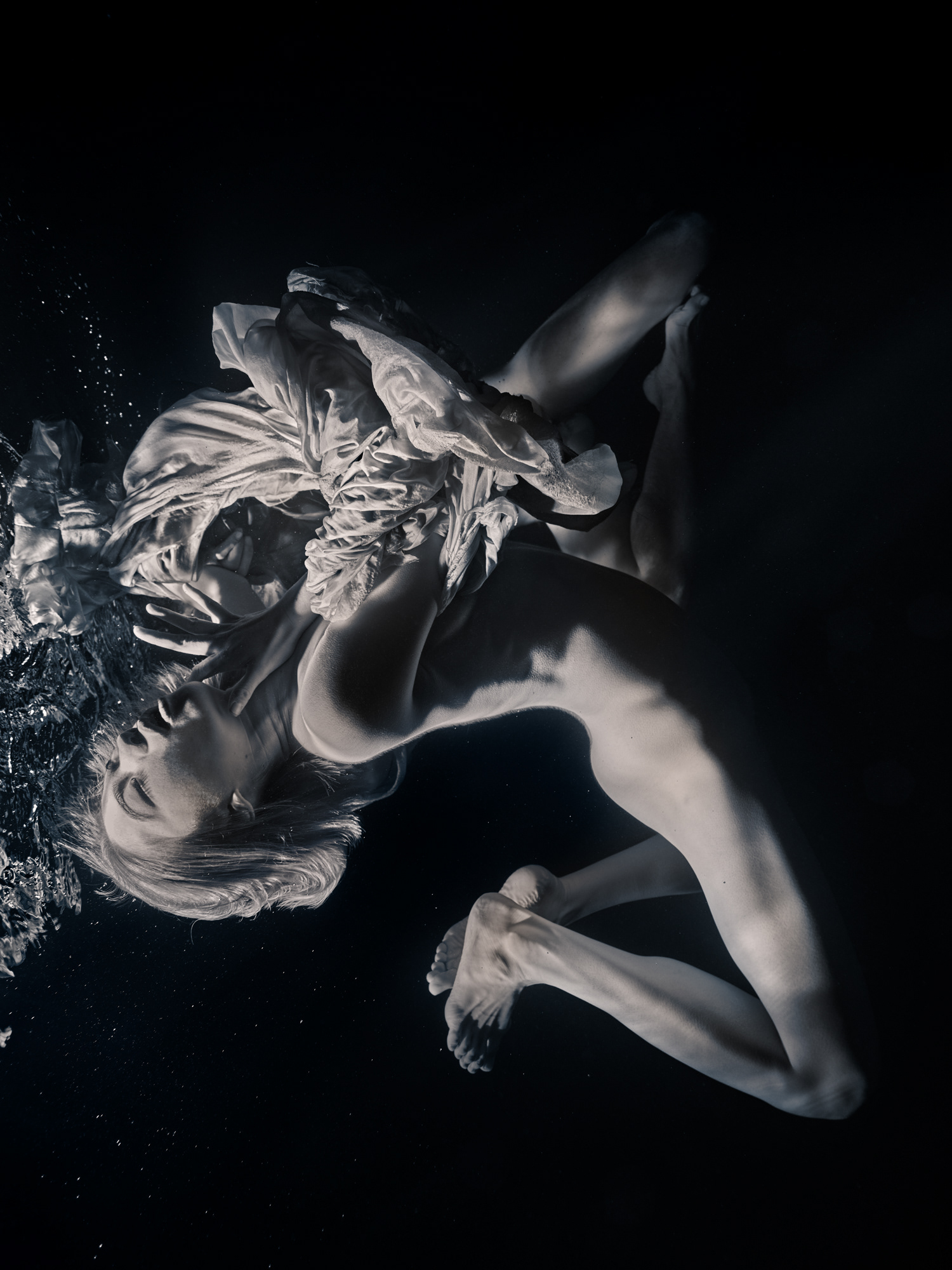
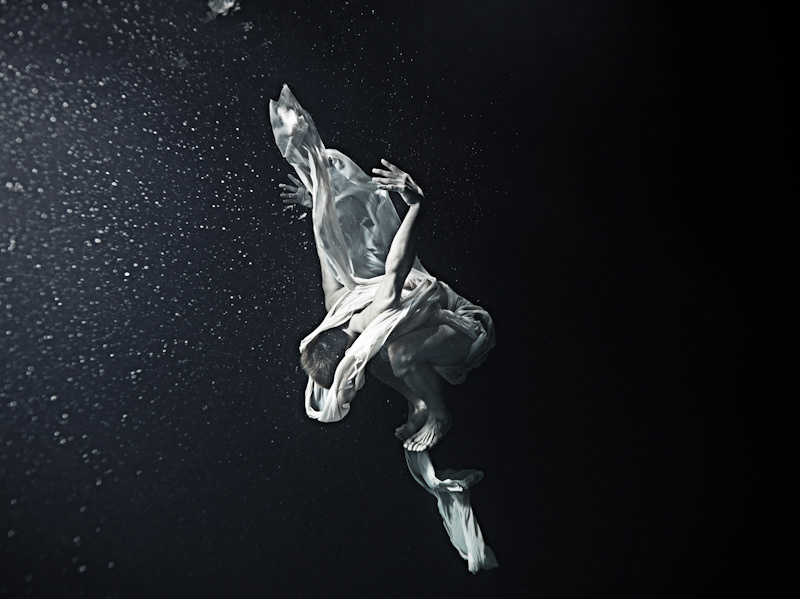
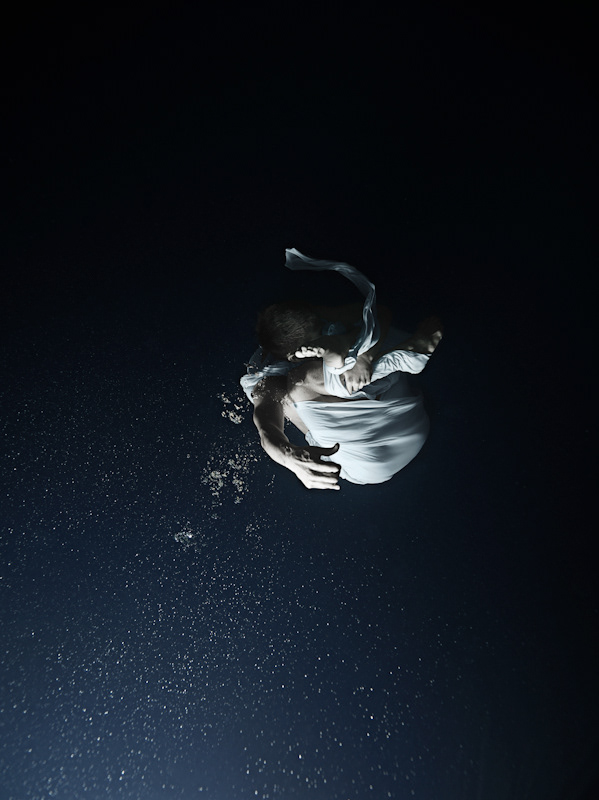
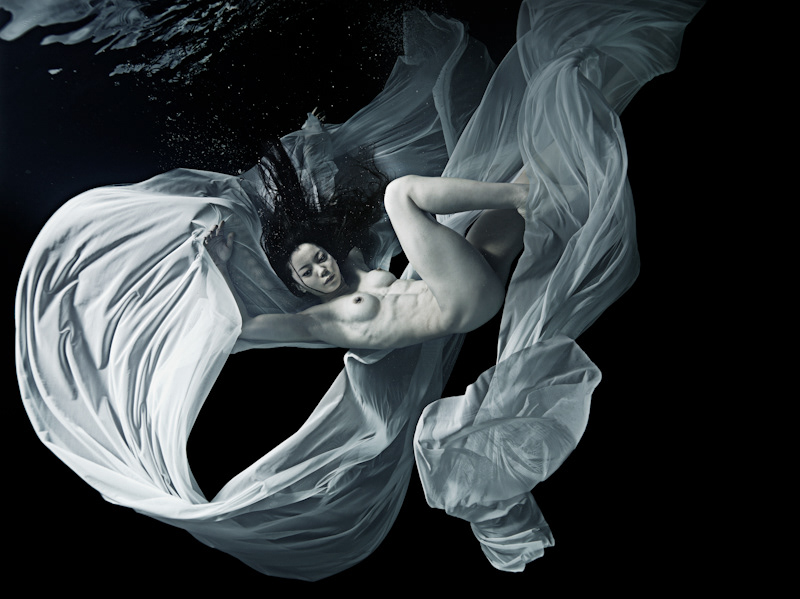
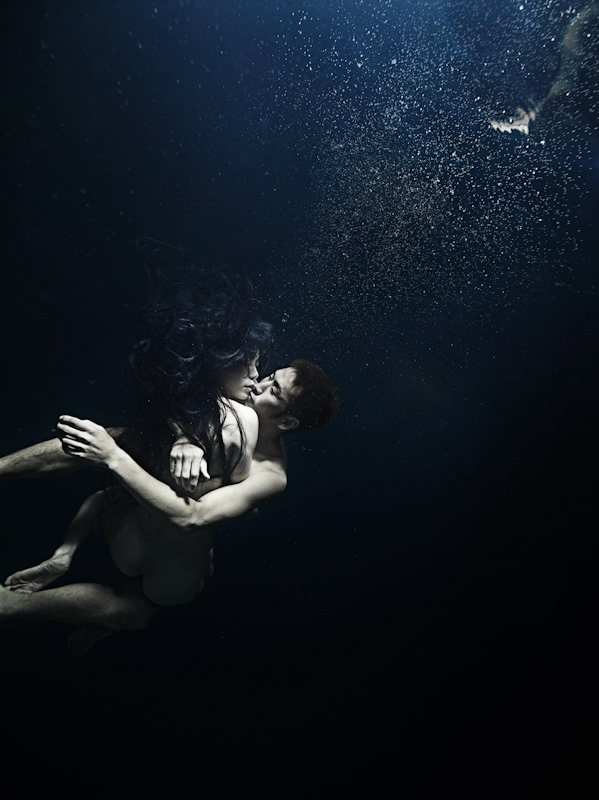
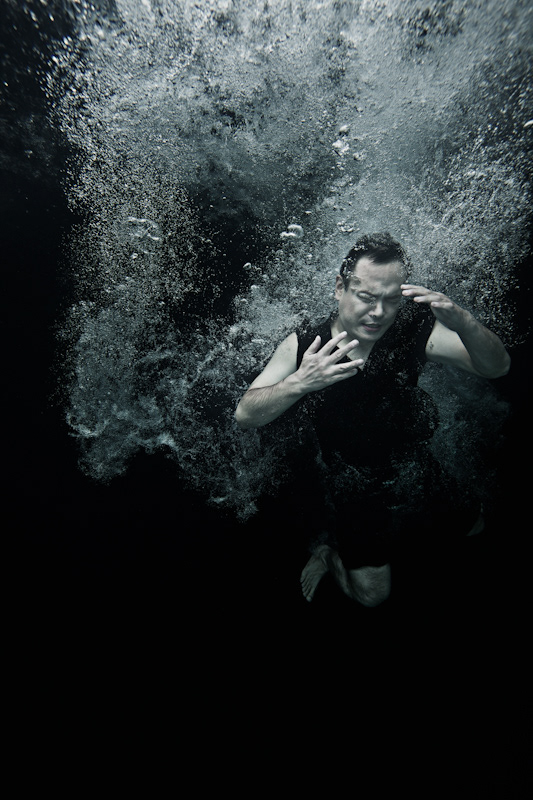
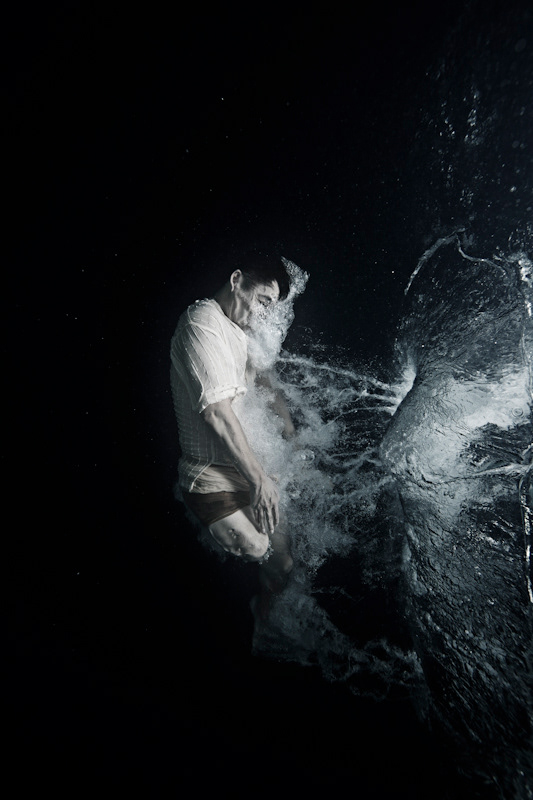
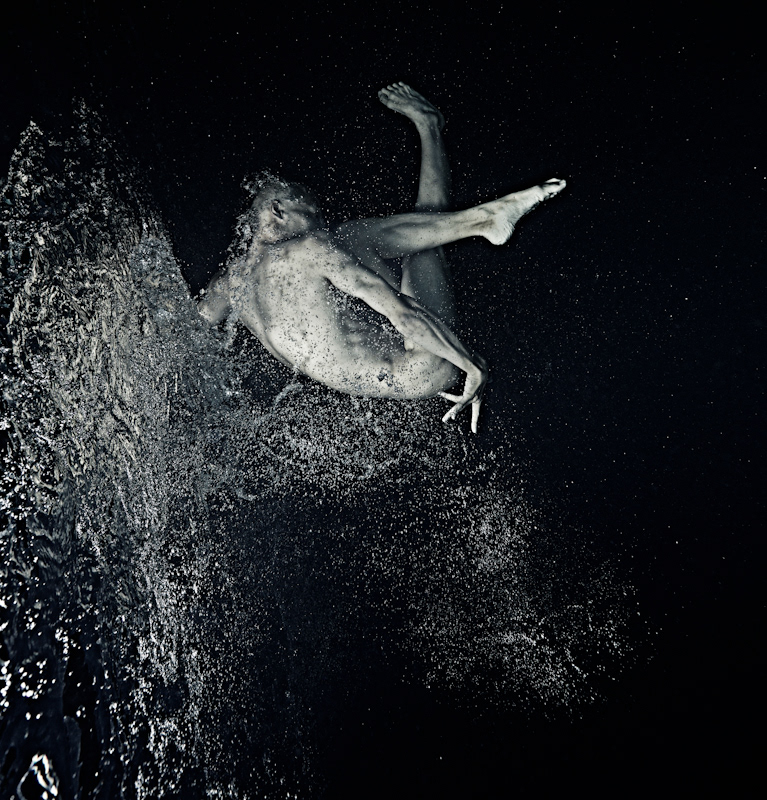
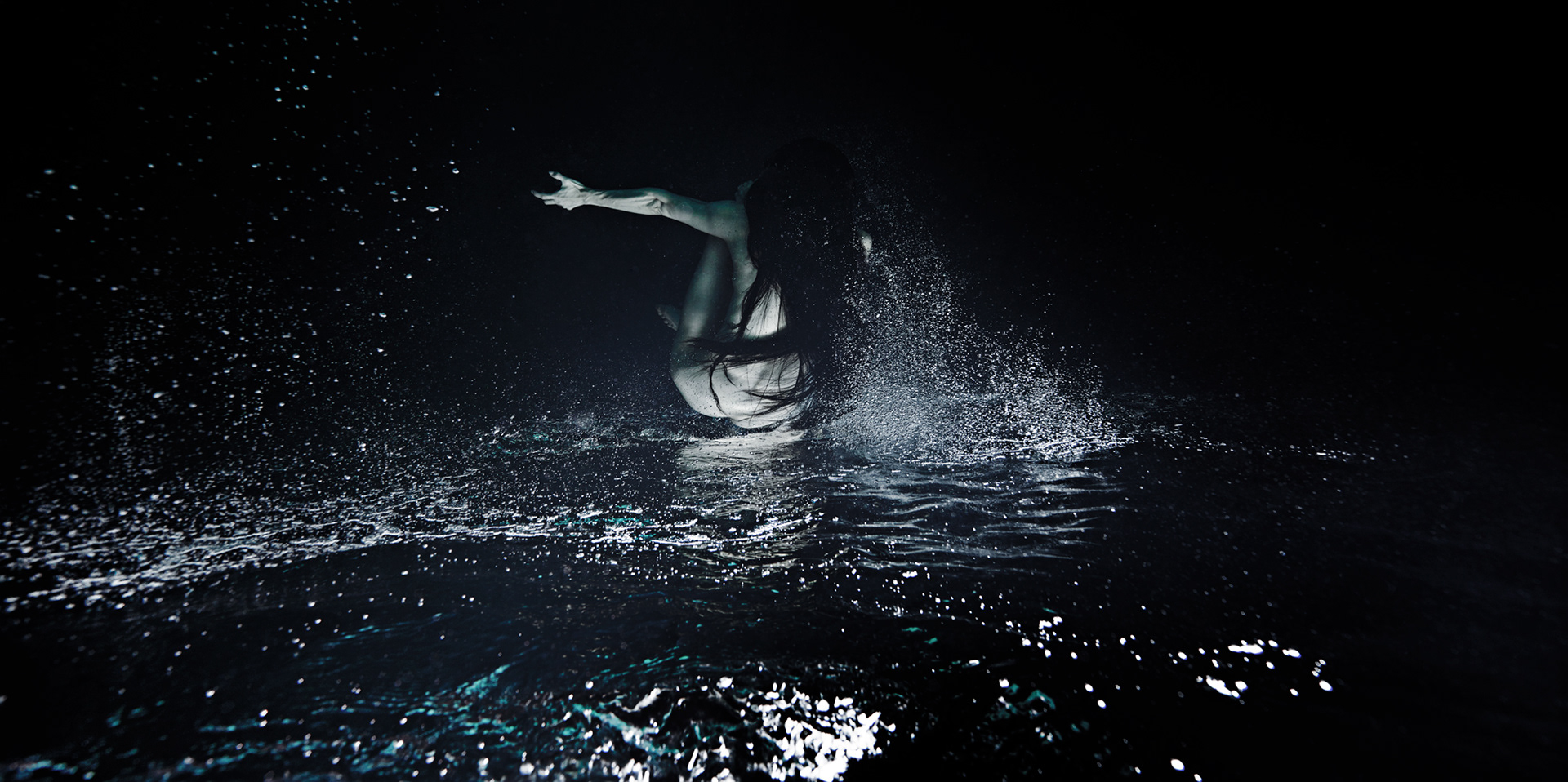
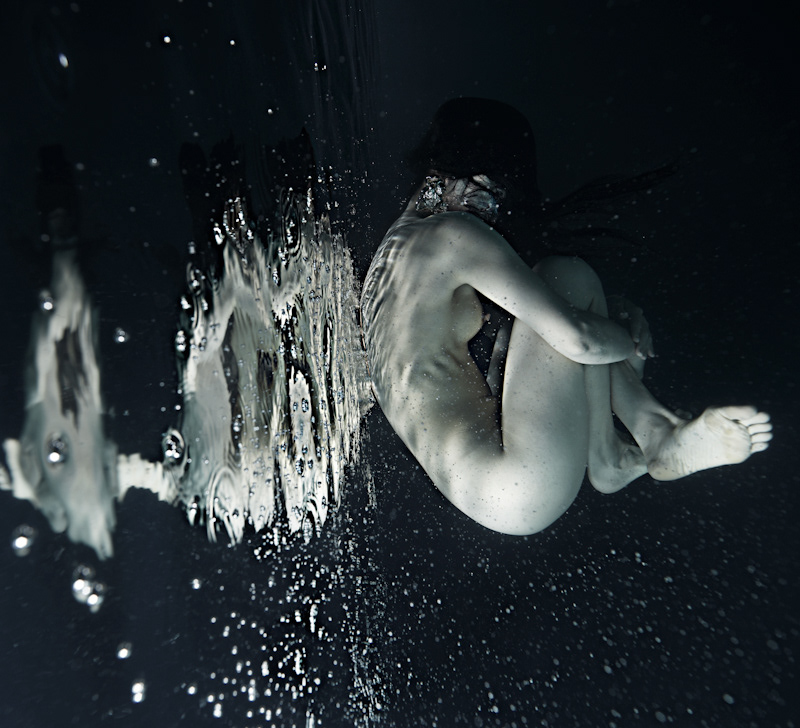
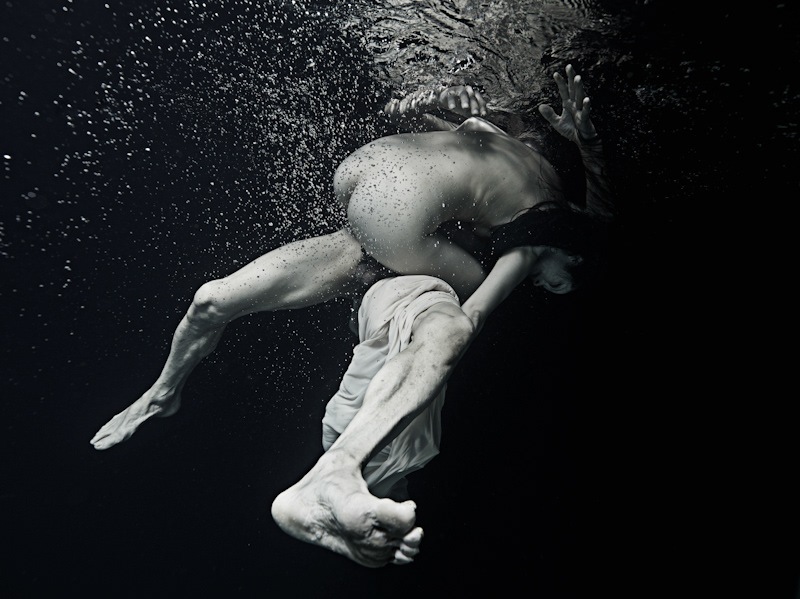
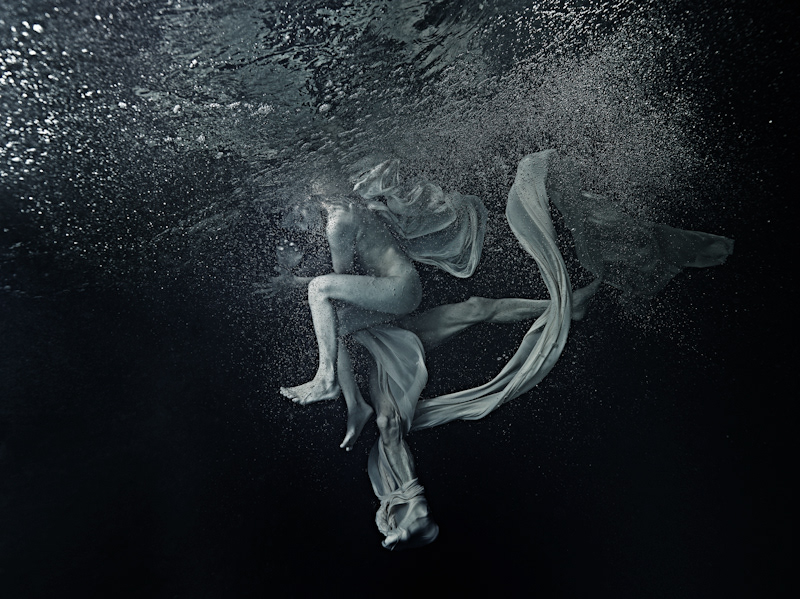
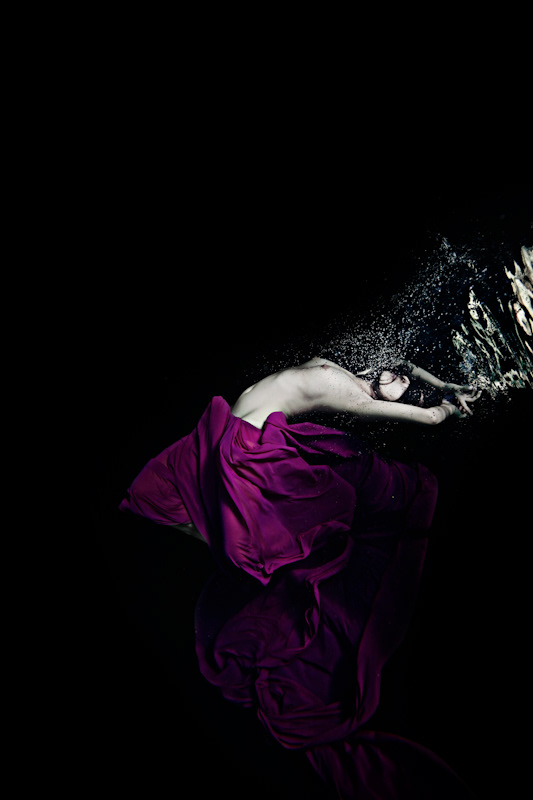
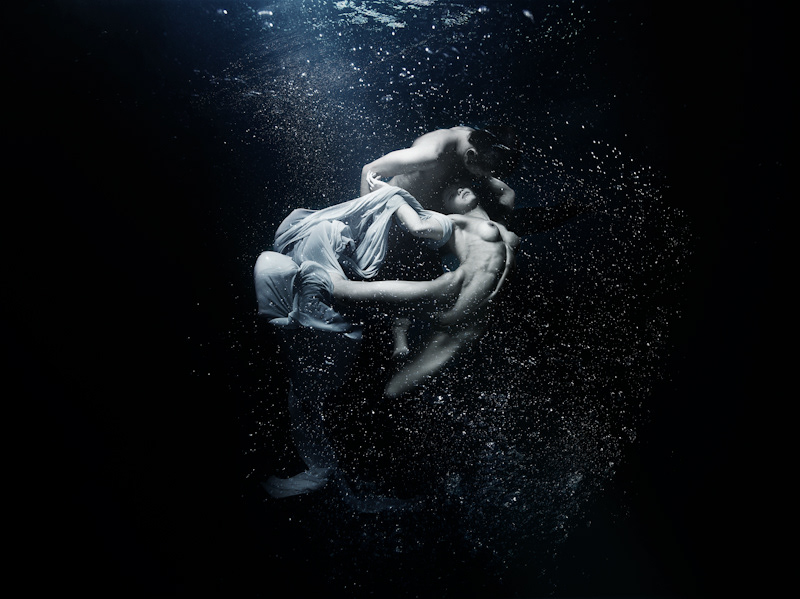
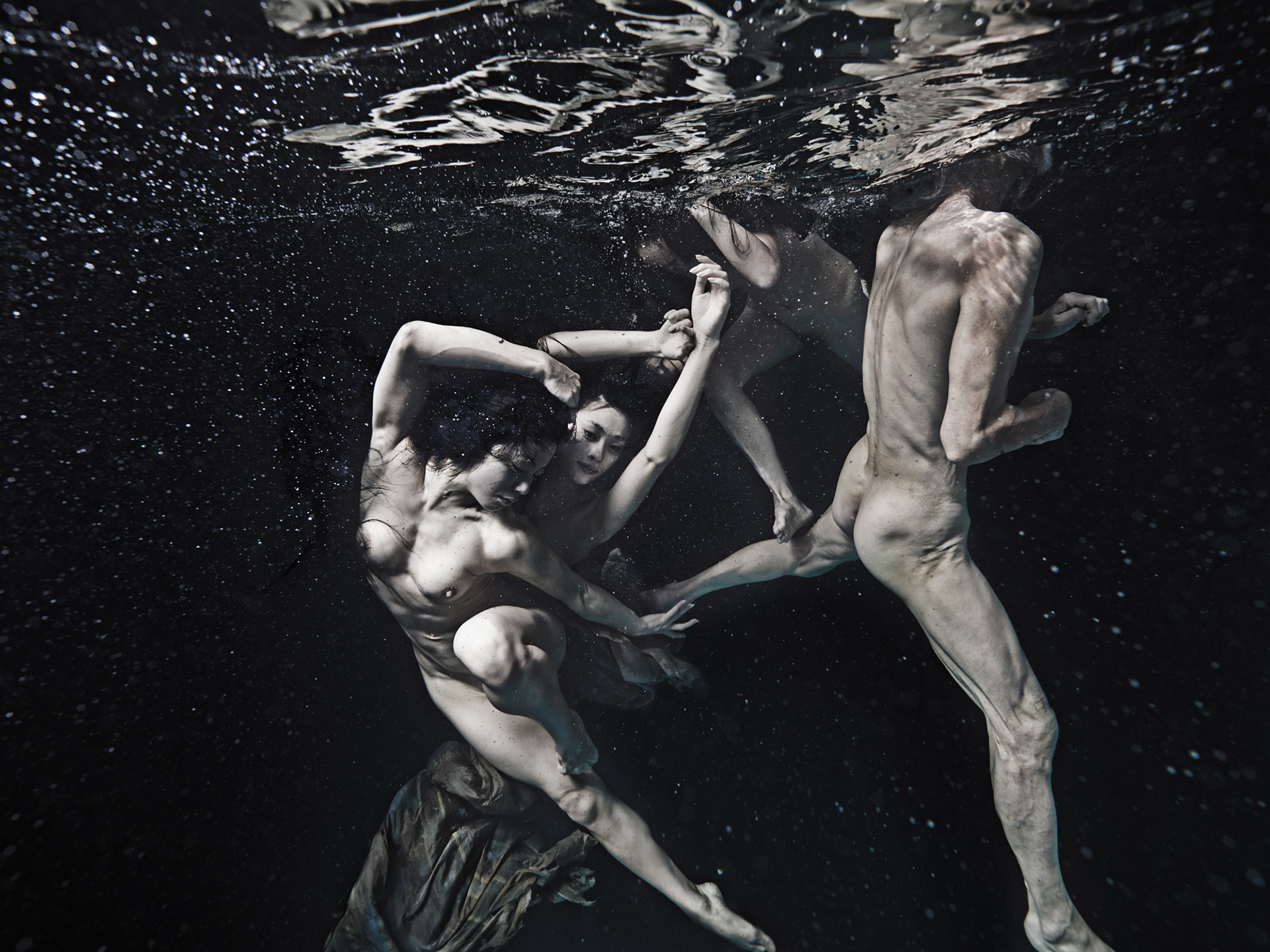
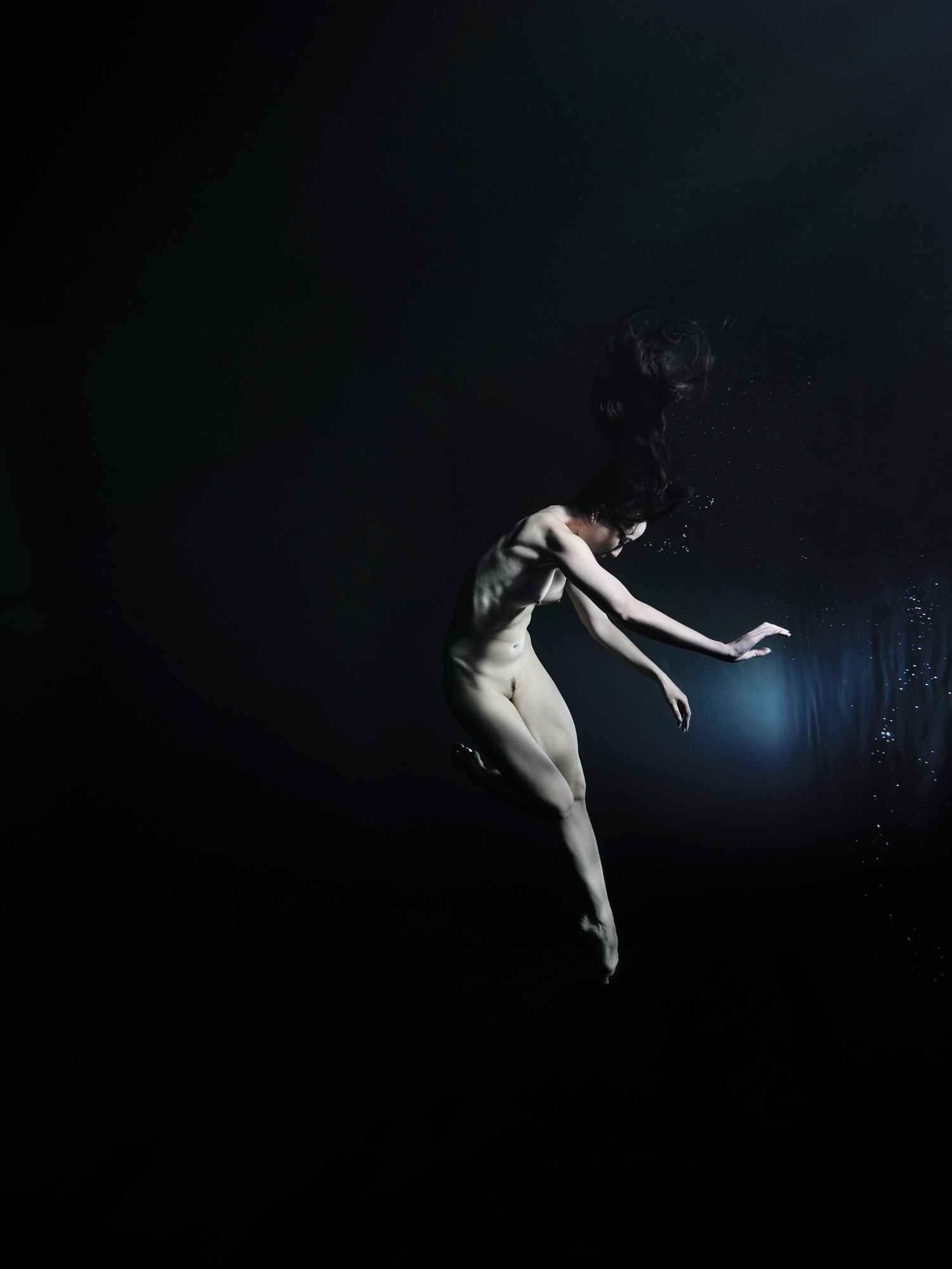
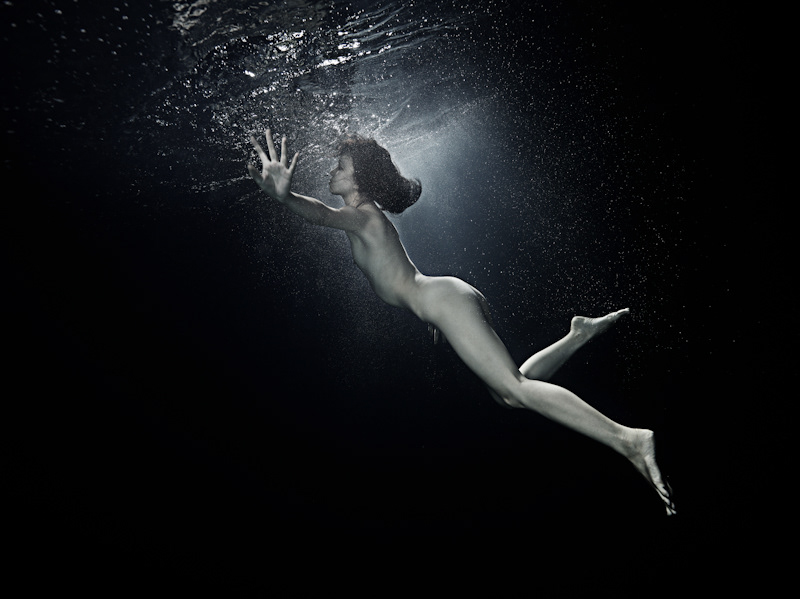
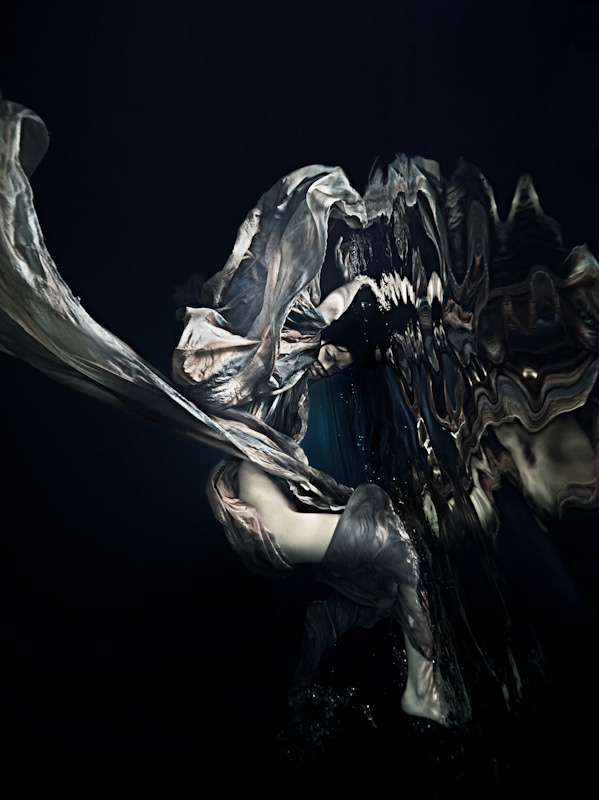
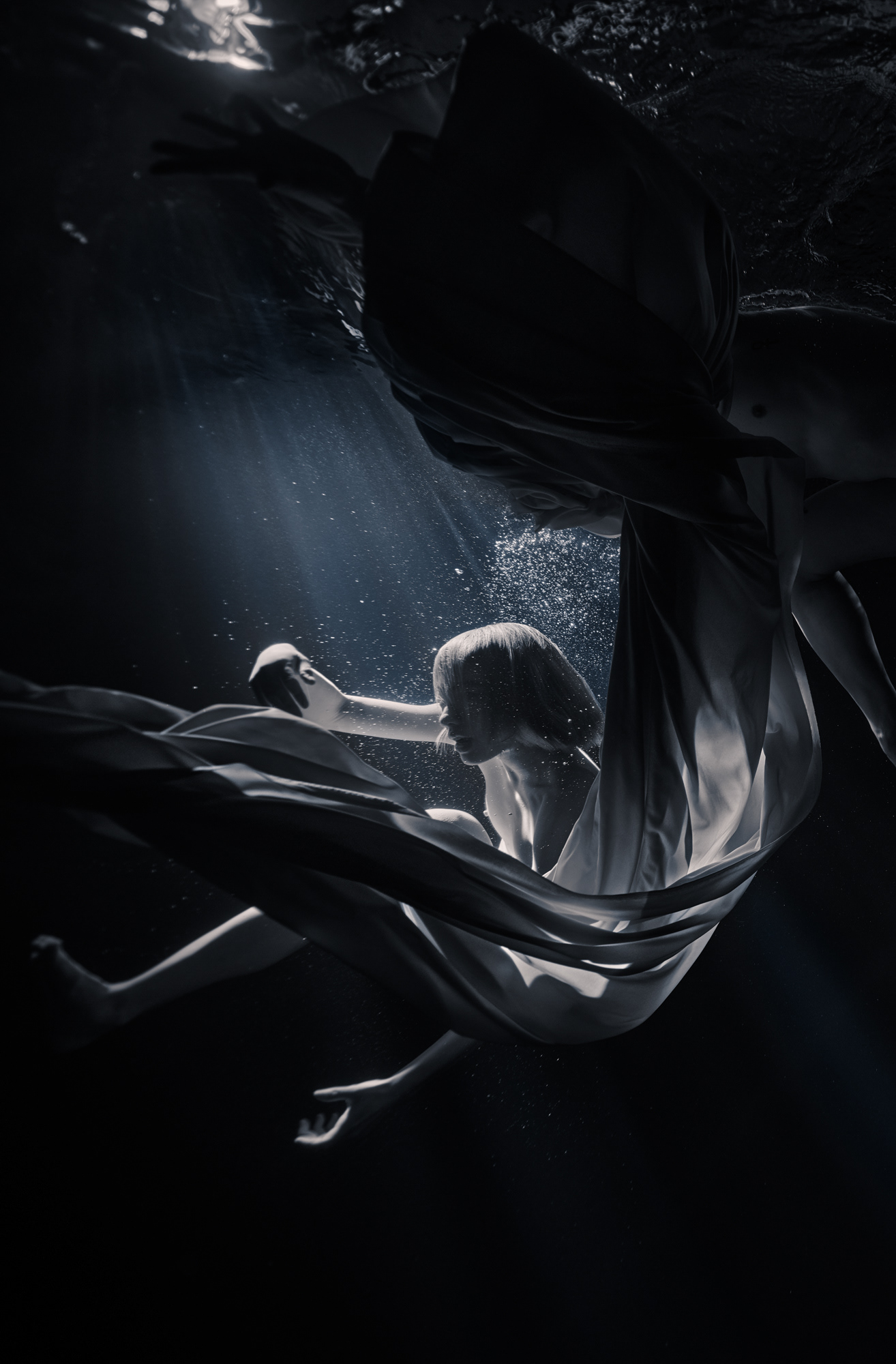
It was only after I had become deeply entwined with the world of water that I first touched upon the existence of "life and death." That was long before I ever picked up a camera. On a dive I happened to be invited to at the time, the world beneath the water seized my heart in an instant. Phenomena that occur nowhere but underwater. Beautiful phenomena woven by living beings, water, and light. They brought me fierce elation and excitement. In that world, even walking as one does on land is difficult; depending on the weather, one cannot even step into it. It demands training and thorough, deliberate preparation. Above all, the amount one may breathe has its limit.
In this world so full of constraints, the focus of this work is "breathing" — the most vital thing of all for a living creature to go on living. Breathing is indispensable to us, the living — above all, to living organisms. For as long as one lives, "it" is endlessly repeated; the loss of it is what is judged to be death. Ordinarily we never see it, and I think we are barely conscious of it at all. Only when separated from "it" — that thing nestled against life itself — can we face its essential worth and its presence. And that is what it is to be underwater.
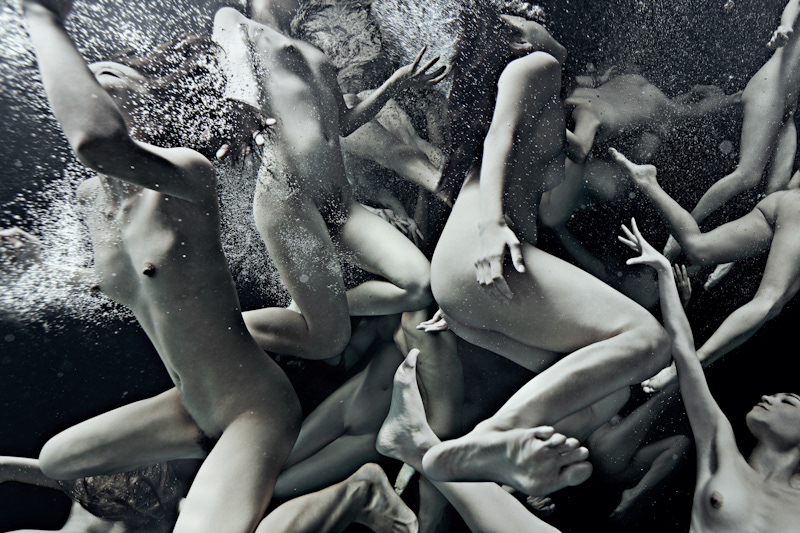
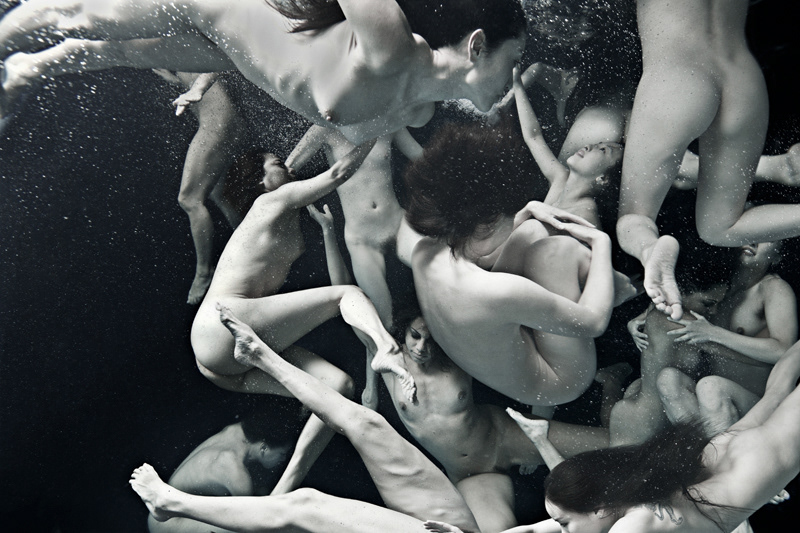
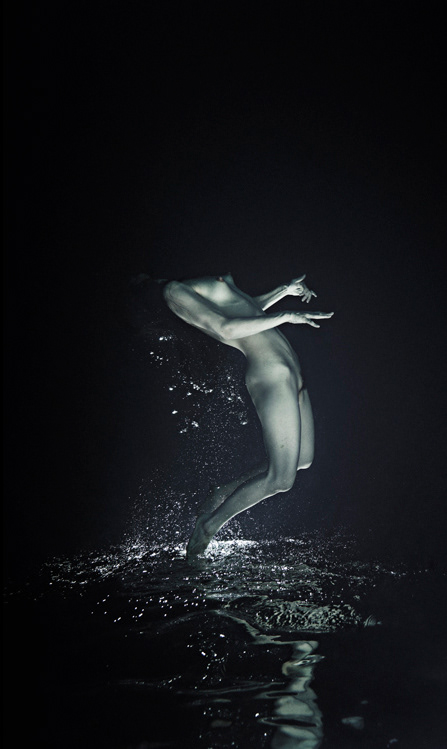
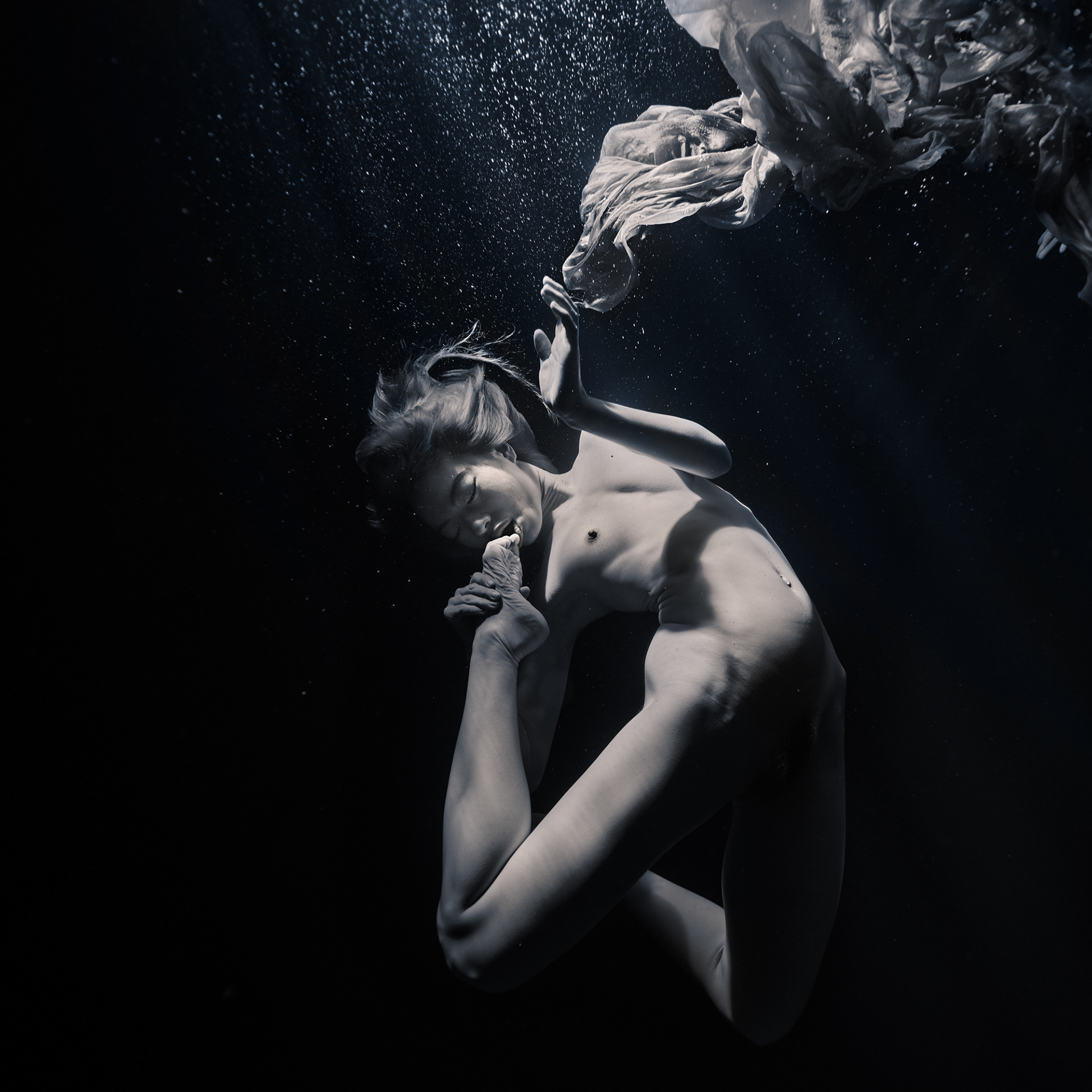
Shrouded in water, the fear a person carries surfaces. And further, the very inability to breathe lays bare one's attachment to life. That thrashing, those unforeseen forms — I capture them in photographs. Into bodies that cannot move as one wills, I read the whole of what it is for a person to "live." In "living," people meet with every kind of hardship. However much human hands may batter down the walls of constraint, there is a limit to it, and the essence does not change. That very constraint is "living," too.
Is not the essence of life this: to walk the path one ought to walk, resisting the death that is granted to all alike? It is not a thing that calculation or science can set in motion. Life is not merely the beauty seen by the eye — is it not, rather, that true strength one is born to hold, the strength that ought to be?
Carbonation Series


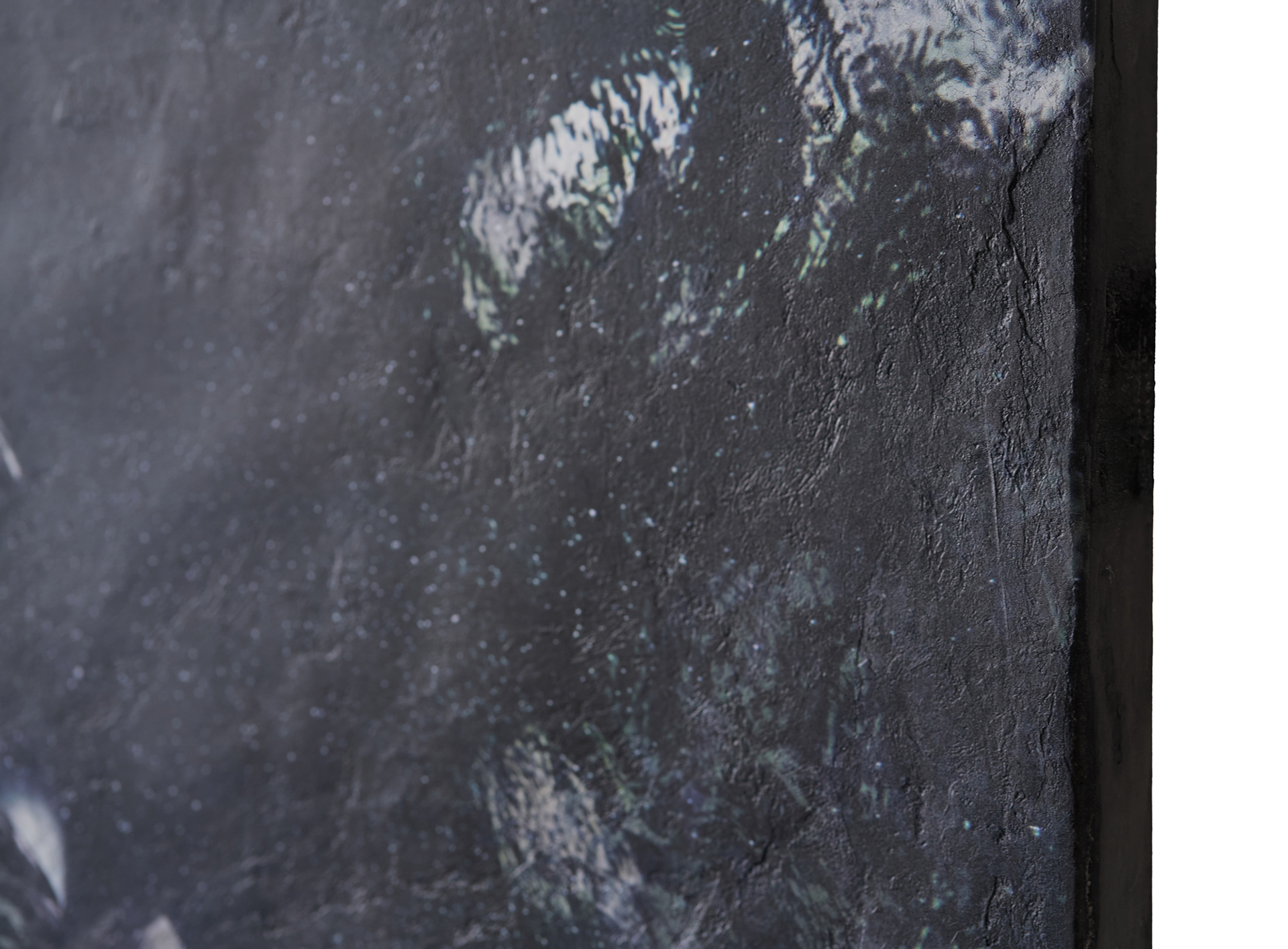
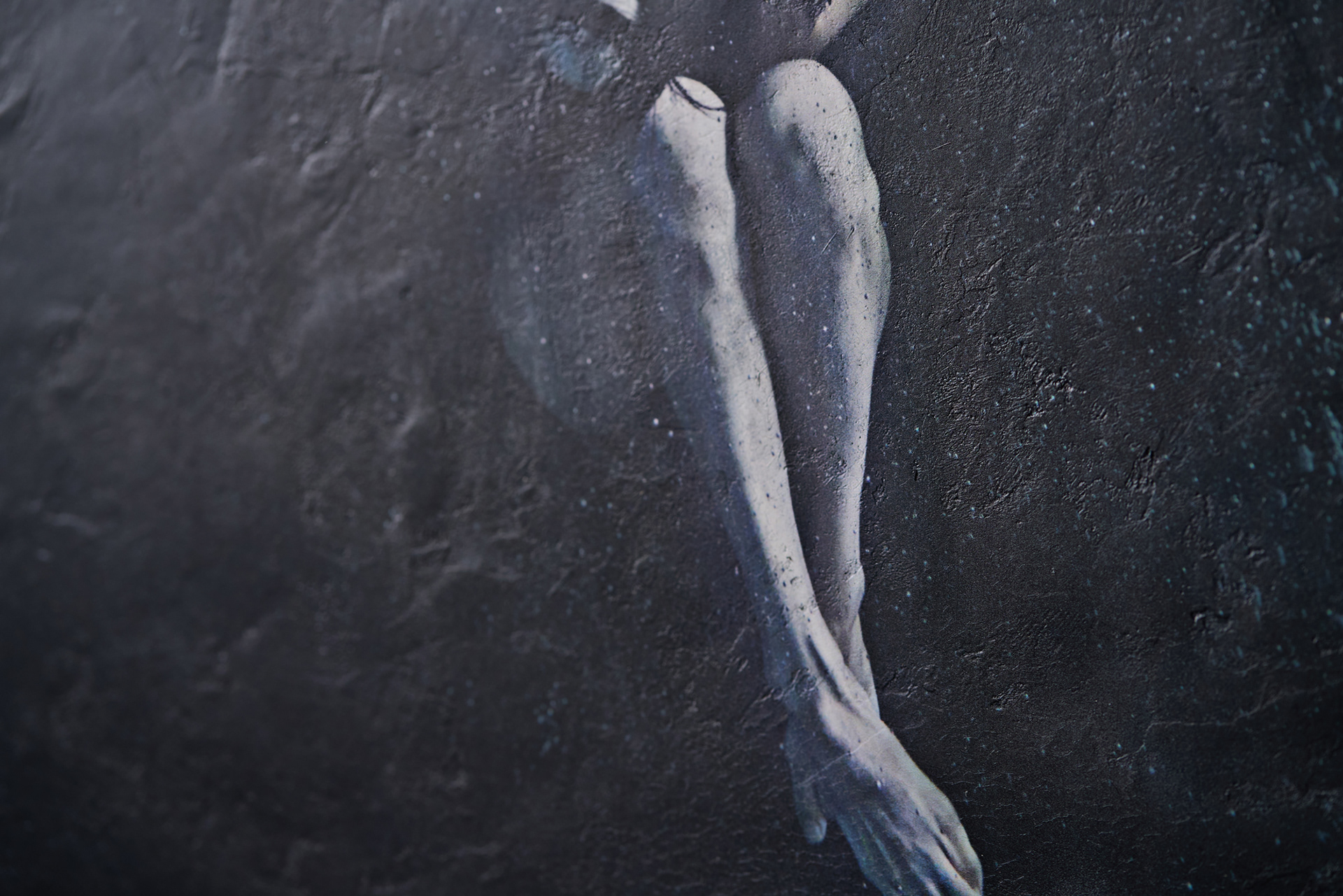


The support for the BREATH prints is plaster. Known also as slaked lime, this material takes in carbon dioxide from the air and, over the long course of time, returns to stone. The premise of this series is a pact: that the photographer's breath be left in the keeping of another substance.
1. Breath Hardens the Material
"Breath" here means the carbon dioxide a human body gives off. A body that holds its breath underwater, sustaining life for only a fleeting moment. When that final exhalation is sealed inside the frame of a photograph, the image itself has already stopped time. The carbon dioxide that produced it, however, diffuses into the atmosphere from the instant of the shot — independent of it — and slowly makes its way to some plaster surface. On the plaster's side, slaked lime Ca(OH)₂ binds with carbon dioxide in the air and turns into calcium carbonate CaCO₃ and water. Reaction: Ca(OH)₂ + CO₂ → CaCO₃ + H₂O The further this reaction proceeds, the more the surface crystallizes and gains hardness. Even after the human has stopped breathing, the material keeps taking in carbon dioxide and grows hard. Where a person's breath runs out, matter quietly gathers its strength. Here lies the reason I chose plaster for the support: to place the "end of breathing" that the photograph stopped at the moment of exposure on the same dimension as the subject's life and death, and as the time of the material. Onto the physical phenomenon of the support drying and setting, one further "trace of breath" is laid.
2. An old covenant, older than fresco — "placing the image and the material on the same dimension"
Since fresco first appeared, plaster has served as a support for art. From 1508 to 1512, Michelangelo set pigment into a wet lime-plaster ground and had to paint it through before the wall dried. That mural survives as stone fused with the wall because plaster takes the pigment into its crystals and turns the image itself into stone. The chemical equation is identical to that of the plaster of BREATH. Fresco is an expression in which the time of the one who paints (the painter, breath) and the time of the one who supports (plaster, setting) run simultaneously across the same surface. BREATH stretches this across a delay of months to years, connecting the subject's breath and the material's hardening across a time lag. With paper, metal, or cloth, the image merely sits alongside its support as a separate thing. With plaster, the progress of carbonation ties directly into the image's own structure of preservation; the colorant is enclosed within the crystal, and the image becomes a part of the stone. The difference between fresco and BREATH comes down to a single point: whether the painter's breath and the wall's hardening stand in a relation of competition at the same instant, or are connected by a lag measured in years.
Closing — Leaving breath in the stone of a later age
The image of a body whose time was stopped begins to move again within the time of plaster. Taking in the subject's exhalation, slaked lime changes into calcium carbonate. Leave your breath in the keeping of another substance before you forget it, and it can remain in the form of stone. BREATH: Carbonation is an expression of two parties handing one another the breath we tend to forget and the stone that cannot be forgotten.
References
Hingst's Signpost, "The Chemistry of Buon Fresco Painting" (2018) Treats the chemical reaction of Michelangelo's buon fresco and its preservation for over 500 years.
URL: https://hingstssignpost.blogspot.com/2018/08/the-chemistry-of-buon-fresco-painting.html
Fresco School, "What Is Fresco? — Fresco Painting Introduction" The foundations of fresco: setting pigment into wet lime-plaster ground. URL: https://frescoschool.org/fresco_introduction_what_is_fresco_painting.html
Ars Pictoria, "Fresco Painting Materials" Discussion of how pigment is fixed to the surface as the plaster sets. URL: https://arspictoria.com/techniques/fresco-painting/ Wikipedia,
"Sistine Chapel ceiling" Confirms the period 1508–1512 of Michelangelo's ceiling painting. URL: https://en.wikipedia.org/wiki/Sistine_Chapel_ceiling


